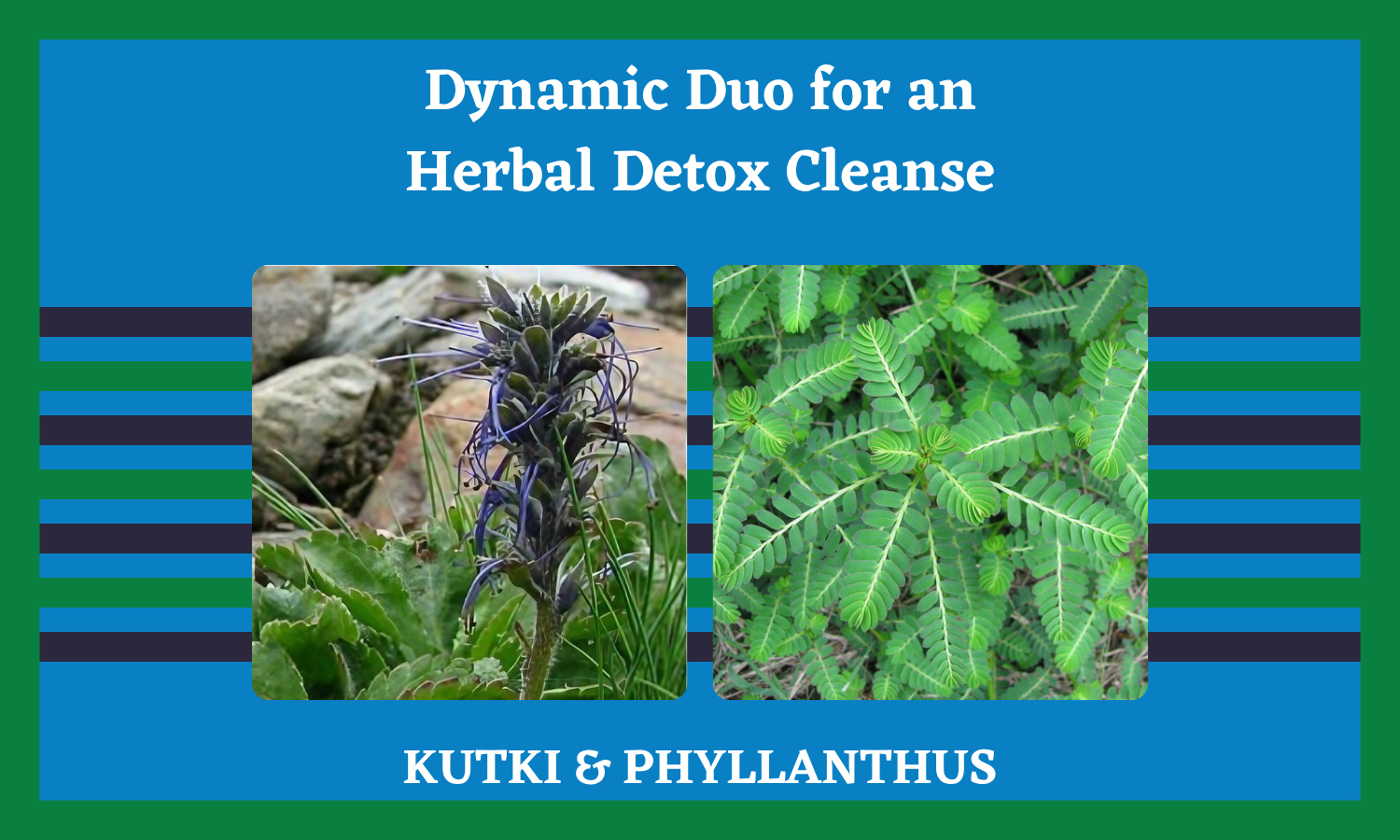
An herb detox cleanse should support natural liver, kidney, and digestive functions instead of promised shortcuts.
The idea of a detox cleanse is appealing. Take a supplement, drink a special tea, follow a short-term regimen, and give your body a fresh start. After a few days, the thinking goes, you’ll have flushed away unwanted toxins, reset your system, and restored your health.
But there’s a problem with that story: Your body doesn’t need to be taught how to detoxify itself. It already knows how.
Your liver, kidneys, gastrointestinal tract, lungs, and other systems work continuously to process nutrients, metabolize substances, maintain internal balance, and eliminate waste. They don’t wait for you to begin a cleanse, and they don’t suddenly become more effective because you’ve consumed a particular herbal supplement.
That doesn’t mean herbs have no role in supporting these processes. Quite the opposite. Traditional herbal medicine has long recognized the importance of supporting the organs involved in digestion, metabolism, and elimination. Modern research is beginning to investigate how certain botanicals may contribute to antioxidant defenses, healthy inflammatory balance, cellular resilience, and normal organ function.
The important distinction is between forcing a detox and supporting the body systems responsible for everyday detoxification.
At Linden Botanicals, we’re especially interested in two botanicals with long histories of traditional use: Phyllanthus niruri, commonly known as Chanca Piedra or Stone Breaker, and Picrorhiza kurroa, better known as Kutki. They have different botanical histories and areas of scientific interest, but together they offer an opportunity to explore liver and kidney wellness without relying on exaggerated cleansing claims.
And because liver, kidney, and digestive function are closely connected, we’ll also look at why gut health belongs in the conversation.
What Is an Herb Detox Cleanse?
An herb detox cleanse generally refers to using botanical products to support the body’s natural processes for digestion, metabolism, and waste elimination. Depending on the product, the approach may involve herbal teas, plant extracts, dietary changes, or combinations of botanicals.
The term detox, however, is used so broadly that it can mean almost anything.
Some products promise to flush accumulated toxins from the liver. Others claim to cleanse the kidneys, reset digestion, remove impurities from the blood, or eliminate substances that supposedly build up over time.
These promises often sound scientific without explaining which substances are being removed, how the product affects their elimination, or whether any meaningful health outcome has been demonstrated.
In conventional medicine, detoxification has a much more specific meaning. It can refer to the body’s normal biochemical processing of substances or to medically supervised treatment for particular toxic exposures. Those processes shouldn’t be confused with commercial cleanse programs.
For everyday wellness, a more useful question isn’t, “How do I detox my body?” It’s “How can I support the organs and physiological processes my body already relies on?”
That’s where nutrition, hydration, sleep, movement, and thoughtfully selected botanicals become relevant.
Your Body’s Natural Detoxification System: How It Actually Works
Before considering any herb detox cleanse, it helps to understand what your body is doing every day.
The liver: Metabolism, transformation, and bile production
Your liver is one of the body’s most metabolically active organs. It processes nutrients absorbed from food, stores and releases energy, produces essential proteins, metabolizes hormones and medications, and transforms many substances so they can be used or eliminated.
A major part of this work involves biochemical reactions often described as Phase I and Phase II metabolism.
During Phase I, enzymes modify certain substances through reactions such as oxidation, reduction, or hydrolysis. During Phase II, other enzymes attach molecules that can make substances easier to transport or eliminate. Not every compound passes through both phases, and the pathways vary depending on the substance.
The liver also produces bile, which helps digest and absorb fats and carries certain waste products into the intestinal tract for elimination.
A healthy liver doesn’t need an herbal product to switch these functions on. They are already operating continuously.
However, liver function can be affected by nutrition, alcohol consumption, medications, infections, metabolic conditions, and other factors. Maintaining liver health is therefore an important part of whole-body wellness.
The kidneys: Filtration, fluid balance, and waste elimination
Your kidneys filter blood continuously, removing metabolic waste products and excess water while helping maintain appropriate concentrations of electrolytes and other substances.
They also regulate acid-base balance, contribute to blood pressure regulation, participate in vitamin D activation, and produce hormones involved in red blood cell formation.
The kidneys don’t simply flush out everything they encounter. They selectively filter, reabsorb, and secrete substances according to the body’s needs.
This precision is why the idea of aggressively cleansing the kidneys can be misleading. Drinking excessive amounts of water or using diuretic products doesn’t necessarily improve kidney function and can sometimes create problems.
The more useful approach is to support normal kidney health through appropriate hydration, nutrition, blood pressure and blood sugar management, and timely medical attention when symptoms occur.
The gut: Digestion, absorption, and elimination
Your gastrointestinal tract completes another essential part of the body’s elimination processes.
Food is broken down, nutrients are absorbed, and material that can’t be digested or absorbed moves through the intestines for eventual elimination.
The gut also houses an extensive community of microorganisms that interact with food components, produce metabolites, and communicate with the immune system.
The liver and gut are closely connected through the portal circulation and the movement of bile into the intestines. This relationship is sometimes called the gut-liver axis.
Healthy digestion and regular bowel function therefore matter to the broader conversation about metabolism and elimination, even though a healthy gut doesn’t require a periodic purge or extreme cleanse.
Phyllanthus niruri: A Traditional Botanical for Liver and Kidney Health
Traditional kidney and urinary support, with emerging research into liver-related antioxidant and cellular-protective mechanisms.
Among the botanicals associated with natural elimination and organ wellness, Phyllanthus niruri has a particularly interesting history.
Commonly called Chanca Piedra or Stone Breaker, the plant has been used in traditional herbal practices in South America and other regions for kidney, urinary, liver, and digestive concerns.
Phyllanthus niruri also has special significance for Linden Botanicals. The herb helped inspire the company’s founding, and our team continues to value it as a daily drinking tea.
We source our Phyllanthus niruri from the Amazon region of Peru, where botanical identity, growing conditions, harvesting, and processing are important considerations.
The plant contains a diverse array of naturally occurring compounds, including lignans, flavonoids, tannins, terpenes, and other phenolic constituents. Researchers have investigated these compounds for antioxidant, inflammation-modulating, urinary, and liver-related activity.
Its greatest appeal isn’t that it magically cleanses an organ. It’s that Phyllanthus niruri offers a combination of traditional knowledge and developing scientific research relevant to several interconnected aspects of wellness.
The Phyllanthus niruri FAQ provides much more information about this all-natural herb.
Phyllanthus niruri for Liver Health
Although Chanca Piedra is especially well known for kidney and urinary support, its traditional uses extend to the liver.
This is an important distinction for anyone exploring an herb detox cleanse. Phyllanthus niruri isn’t exclusively a kidney herb, and its phytochemical profile has attracted research interest in multiple areas of liver physiology.
Antioxidant protection and liver-cell resilience
The liver’s extensive metabolic activity makes it especially relevant to research involving oxidative stress.
Oxidative stress occurs when the production of reactive oxygen species exceeds the body’s ability to manage them through antioxidant and cellular repair systems. Some oxidative activity is normal and necessary, but excessive oxidative stress can contribute to cellular damage.
Laboratory and animal studies have investigated Phyllanthus niruri and related preparations for their potential effects on antioxidant enzymes, glutathione activity, lipid peroxidation, and other markers associated with liver-cell protection.
These studies help explain why the plant has attracted interest as a hepatoprotective botanical. Hepatoprotective refers to the potential to protect liver tissue or cells from injury under particular experimental conditions.
However, a laboratory finding doesn’t necessarily translate into a demonstrated health benefit from drinking the tea or taking an extract.
Human evidence remains limited and mixed, and Phyllanthus niruri shouldn’t be considered a treatment for liver disease.
Inflammatory balance and metabolic wellness
Researchers have also explored Phyllanthus niruri for its effects on inflammatory signaling and metabolic pathways relevant to liver health.
The liver plays a central role in processing carbohydrates, fats, and proteins. Its health is closely connected with metabolic factors such as insulin sensitivity, blood lipids, and body composition.
Experimental research suggests that certain Phyllanthus compounds may influence oxidative and inflammatory pathways involved in these processes. However, these mechanisms haven’t been established as clinically meaningful benefits from the finished herbal products used in everyday wellness routines.
This distinction matters because supporting liver health isn’t the same as claiming to reverse fatty liver disease, hepatitis, or another diagnosed condition.
A botanical within the Liver Health Wellness Pathway
Linden Botanicals’ Liver Health Wellness Pathway brings together traditional botanical knowledge and a more comprehensive understanding of healthy liver function.
Phyllanthus niruri contributes its longstanding association with liver and digestive wellness, along with research into antioxidant activity and cellular protection.
It is especially interesting when considered alongside another traditional liver botanical: Kutki.
Kutki: Ayurvedic Liver Support Beyond the Detox Hype
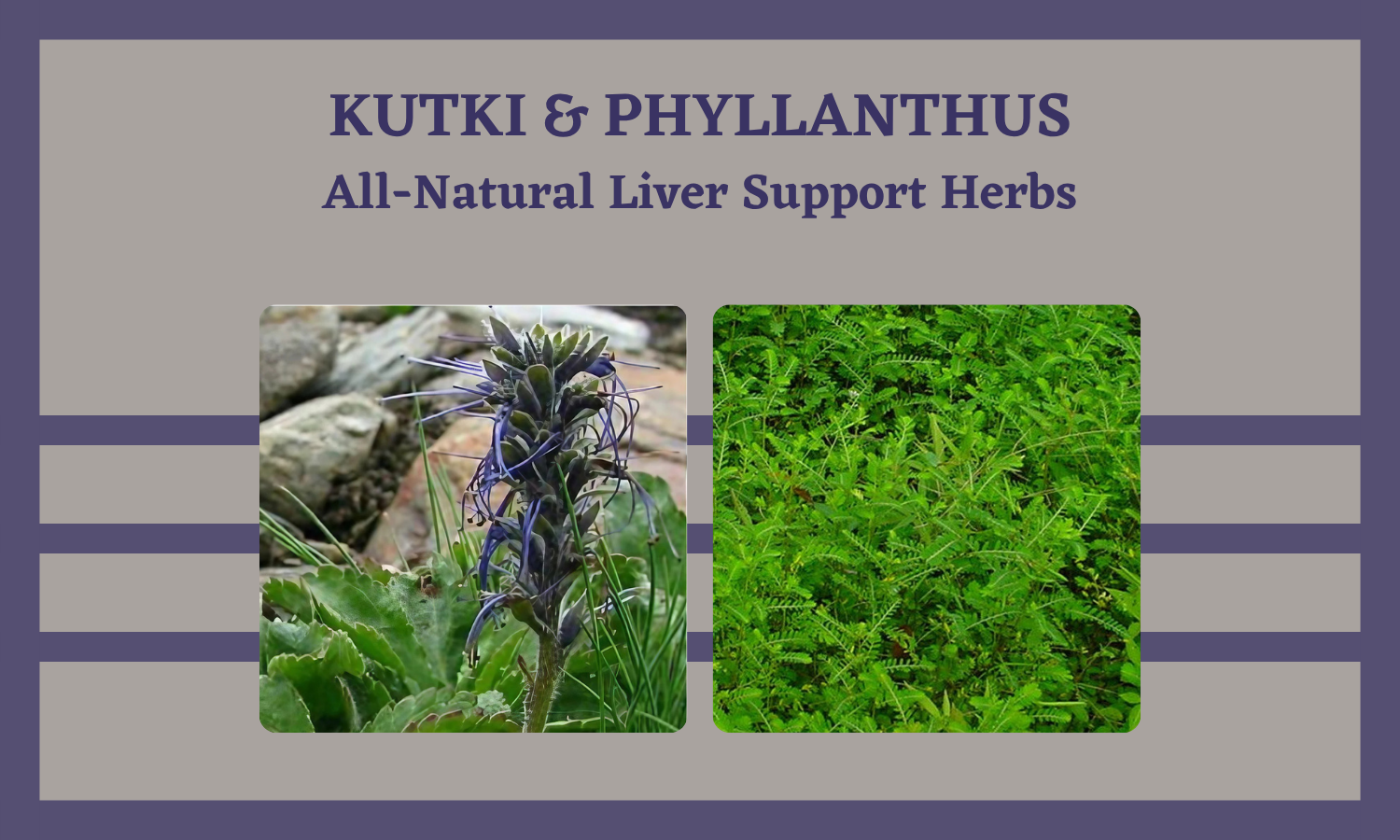
Kutki (Picrorhiza kurroa) has been used for centuries in Ayurvedic medicine as a primary herb for liver health. It’s a bitter Himalayan Ayurvedic herb traditionally valued for liver and digestive support, with preclinical research into picrosides and antioxidant activity.
Kutki (Picrorhiza kurroa) is a traditional Ayurvedic botanical native to Himalayan regions. Its roots and rhizomes have long been valued in herbal medicine, particularly for liver and digestive support.
Unlike herbs promoted primarily for their diuretic or laxative properties, Kutki’s traditional reputation centers on its bitter constituents and relationship with liver and digestive function.
That makes it an interesting addition to a more thoughtful discussion of an herb detox cleanse.
What makes Kutki distinctive?
Kutki contains several important phytochemical groups, including iridoid glycosides. Among its best-studied constituents are picrosides and kutkoside, compounds associated with much of the plant’s pharmacological research.
Scientists have investigated Kutki extracts and individual compounds for antioxidant, inflammation-modulating, and hepatoprotective activity.
In laboratory and animal models, researchers have explored how these constituents may influence oxidative stress, inflammatory pathways, and cellular responses to liver injury.
Some studies have also investigated Kutki in relation to bile-related physiology and digestive function.
These are scientifically interesting findings, but they aren’t proof that Kutki improves liver function in healthy people or reverses liver damage. Human clinical research is limited, and more rigorous studies are needed to establish effective preparations, doses, long-term safety, and clinically meaningful outcomes.
Kutki and the body’s natural liver processes
One reason Kutki fits naturally into a liver-health discussion is that it allows us to move beyond the simplistic language of removing toxins.
Healthy liver function depends on coordinated metabolic pathways, normal cellular defenses, appropriate inflammatory signaling, bile production, and many other physiological processes.
Kutki’s traditional uses and emerging research relate to several of these areas, particularly antioxidant protection and liver-cell resilience.
This doesn’t mean Kutki accelerates every detoxification pathway or makes the liver work harder. Nor does it mean that someone with a healthy liver necessarily needs additional supplementation.
Instead, Kutki represents a traditional botanical that may be considered within a broader, informed approach to liver wellness.
Why botanical quality matters with Kutki
Kutki also illustrates why plant identity and sourcing are so important.
Picrorhiza kurroa grows in environmentally sensitive Himalayan habitats, and its popularity in traditional medicine has contributed to conservation and supply-chain concerns.
Products marketed as Kutki may differ in species identity, plant part, growing conditions, processing, and concentrations of bioactive compounds.
For consumers, the important questions include whether the plant has been correctly identified, whether sourcing is responsible, and whether the finished product has been appropriately tested for quality and purity.
These considerations are especially relevant when an herb is intended for regular use.
The Kutki FAQ provides much more information about this all-natural herb.
Phyllanthus niruri and Kutki: Two Complementary Botanicals for Liver Wellness
Phyllanthus niruri and Kutki come from different herbal traditions, but they share several areas of scientific interest.
Both contain naturally occurring compounds investigated for antioxidant and inflammation-modulating activity. Both have histories of traditional use involving the liver. And both illustrate how botanical research can explore the relationship between plant chemistry and normal cellular processes.
Their differences are equally important. The value of discussing them together lies in understanding their different traditional roles and research profiles.
The Liver Health Wellness Pathway provides a natural framework for exploring those differences while keeping the emphasis on overall liver wellness instead of short-term cleansing promises.
Phyllanthus niruri and the Kidney Health Wellness Pathway
If the liver is responsible for much of the body’s biochemical processing, the kidneys are essential to filtering blood and maintaining the internal environment.
This is where Phyllanthus niruri has a particularly strong traditional reputation.
The name Chanca Piedra is often translated as “Stone Breaker,” reflecting the plant’s longstanding association with kidney and urinary stones in South American herbal traditions.
That name is memorable, but it can also create unrealistic expectations.
What does the research actually say about Stone Breaker?
Kidney stones form when certain substances in urine become concentrated enough to crystallize. Depending on the stone type, these substances can include calcium, oxalate, phosphate, and uric acid.
The process involves several stages, including crystal formation, growth, aggregation, and retention within the urinary tract.
Laboratory research has investigated how Phyllanthus niruri may influence some of these processes, particularly those involving calcium oxalate crystals.
Human studies have also examined Phyllanthus preparations in people with kidney stones, including their effects on urinary chemistry, stone burden, and outcomes following conventional procedures.
A 2020 systematic review and meta-analysis found limited clinical evidence suggesting modest benefits, but only two controlled human studies met its inclusion criteria. A 2025 systematic review reported promising findings in selected settings, particularly as an adjunct to conventional treatment, while acknowledging variability in the research.
The distinction is important: Phyllanthus niruri has meaningful scientific research behind its traditional reputation, but it hasn’t been established as a reliable substitute for medical kidney-stone treatment.
For people interested in natural kidney wellness, it is better understood as a botanical with a longstanding history of use and an evolving research base.
Kidney wellness is about more than kidney stones
A healthy urinary system depends on much more than avoiding stones.
The kidneys regulate fluid and mineral balance, remove metabolic waste, and contribute to healthy blood pressure and acid-base balance.
Their function is influenced by hydration, nutrition, cardiovascular health, metabolic health, medications, and underlying medical conditions.
The Kidney Health Wellness Pathway places Phyllanthus niruri within this broader context.
Rather than promising a dramatic kidney flush, the pathway emphasizes sustainable habits and informed botanical support. Phyllanthus serves as the central herb because of its traditional urinary-health role and scientific research into urinary mineral balance and crystallization.
This is a much more useful framework than thinking of kidney health as something that can be restored through an occasional aggressive cleanse.
Does Gut Health Belong in an Herb Detox Cleanse?
Absolutely, although not because the intestines need to be scrubbed clean.
The digestive system is central to nutrient absorption, normal elimination, immune communication, and metabolic wellness. Its relationship with the liver also makes gut health relevant to any discussion of the body’s natural detoxification processes.
The gut-liver connection
Nutrients and other substances absorbed from the intestines travel through the portal circulation to the liver, where many undergo further processing.
At the same time, bile produced by the liver enters the digestive tract and contributes to fat digestion and the elimination of certain substances.
The intestinal microbiome adds another layer of complexity. Gut microorganisms metabolize dietary compounds, interact with bile acids, and produce substances that can influence the intestinal environment and host metabolism.
Researchers are increasingly interested in how these processes affect one another through the gut-liver axis.
That doesn’t mean every digestive symptom signals an accumulation of toxins. Bloating, constipation, irregularity, and abdominal discomfort can have many causes.
It does mean that digestive wellness deserves attention alongside liver and kidney health.
The Gut Health Wellness Pathway: A broader approach to digestive resilience
Linden Botanicals’ Gut Health Wellness Pathway focuses on healthy digestion, intestinal motility, regularity, microbiome balance, antioxidant defenses, and long-term gastrointestinal wellness.
Its three keystone products are GUTSY Digestive Health Support Kits, Haritaki, and Phyllanthus niruri.
GUTSY brings together Haritaki, Phyllanthus niruri, Cistanche tubulosa, and Rosa rugosa. The four herbs have complementary traditional uses and research interests related to digestion, liver wellness, intestinal motility, and antioxidant activity.
Haritaki is especially associated with Ayurvedic digestive and elimination support. Phyllanthus niruri adds its traditional liver and digestive role. Cistanche is being studied for potential interactions with intestinal motility and the microbiome, while Rosa rugosa contributes polyphenols and other antioxidant compounds.
For people interested in exploring additional digestive botanicals, the pathway also features Rosa rugosa and Muña, a traditional Andean mint valued for digestive comfort.
The Gut Health Wellness Pathway is relevant to this article because it completes the larger picture. The goal isn’t to force elimination, but to support normal digestion, regularity, and the body’s existing metabolic processes.
Why Most Detox Cleanse Promises Deserve Skepticism
If an herb detox cleanse promises to remove years of accumulated toxins in a few days, it’s worth asking for evidence.
Which toxins? How are they measured? What changes after using the product? And do those changes translate into meaningful improvements in health?
Without clear answers, claims about flushing, purging, and resetting the body are difficult to evaluate.
The National Institutes of Health’s National Center for Complementary and Integrative Health reports that there is no compelling research demonstrating that detox diets eliminate toxins or provide lasting weight-management benefits. It also warns that some cleansing practices can cause dehydration, electrolyte imbalances, and other health problems.
Several popular detox approaches deserve particular caution.
Extreme fasting and juice cleanses
Severely restricting food intake can reduce calorie consumption, but that doesn’t establish that toxins are being removed more effectively.
Juice-only programs may also provide insufficient protein, fiber, or other nutrients depending on their composition.
Laxative-based cleanses
Using laxatives to produce frequent bowel movements isn’t the same as improving liver or kidney function.
Excessive laxative use can cause diarrhea, dehydration, and electrolyte disturbances, potentially placing additional stress on the body.
Diuretic or kidney-flushing regimens
Producing more urine doesn’t necessarily mean the kidneys are functioning better.
In fact, excessive fluid consumption or inappropriate use of diuretics can disrupt fluid and electrolyte balance.
Supplements that promise to cleanse the liver
A product that claims to accelerate liver detoxification should be able to explain the mechanism, demonstrate clinically meaningful results, and establish safety.
More isn’t necessarily better. The liver metabolizes many herbal constituents, and some dietary supplements can themselves cause liver injury.
This is another reason to choose botanicals carefully instead of combining multiple products indiscriminately.
What Actually Supports Natural Liver, Kidney, and Gut Health?
The fundamentals may be less exciting than a dramatic cleanse, but they are far more important.
- Hydrate appropriately
Water supports normal kidney function and helps the body maintain fluid balance.
Hydration needs vary with activity, climate, diet, medications, and health conditions. Drinking more water than your body needs isn’t automatically beneficial, and people with certain heart or kidney conditions may need individualized fluid guidance.
- Eat for metabolic and digestive health
A varied, nutrient-rich diet provides the building blocks needed for normal metabolic processes.
Vegetables, fruits, legumes, whole grains, and other fiber-containing foods can support gastrointestinal regularity and the intestinal microbiome.
Appropriate protein intake and healthy dietary fats also contribute to normal physiological function.
- Be mindful of alcohol and unnecessary exposures
Alcohol places metabolic demands on the liver, and excessive consumption can cause liver injury.
Medication safety matters, too. Follow prescribed directions, avoid unnecessary combinations of medications and supplements, and consult a healthcare professional when you have questions about potential interactions.
- Move regularly
Physical activity supports cardiovascular and metabolic health, insulin sensitivity, sleep, and digestive function.
These benefits have relevance to liver, kidney, and gut wellness even when exercise isn’t described as a detoxification strategy.
- Prioritize sleep and stress management
Sleep supports many physiological systems involved in metabolic regulation and overall health.
Chronic stress can also influence digestive function, eating patterns, sleep, and other behaviors that affect long-term wellness.
- Consider herbs as complementary support
This is where Phyllanthus niruri, Kutki, and other traditional botanicals may fit.
Their role isn’t to replace hydration, nutrition, movement, sleep, or medical care. Rather, they offer additional botanical options with traditional uses and areas of emerging scientific interest.
Choosing an herb should begin with understanding what it has traditionally been used for, what modern research actually demonstrates, and whether it is appropriate for your circumstances.
How to Choose a High-Quality Herbal Detox Supplement
If you’re considering an herb detox cleanse, product quality deserves as much attention as the claims on the label.
Botanical identity matters
Common names can refer to multiple species, and different species aren’t necessarily interchangeable.
For example, products labeled Chanca Piedra may contain different Phyllanthus species. Likewise, products marketed as Kutki require careful botanical identification.
The scientific name is an important starting point for evaluating authenticity.
Growing conditions influence plant chemistry
Soil, climate, altitude, sunlight, rainfall, and other environmental conditions can affect the compounds plants produce.
These differences are especially relevant to botanicals whose traditional reputations are connected to particular geographic regions.
Phyllanthus niruri sourced from the Amazon region of Peru and Kutki associated with Himalayan habitats illustrate the importance of understanding where a botanical originates.
Harvesting and processing affect the finished product
The plant part used, harvest timing, drying method, storage conditions, and extraction process can influence the final composition of an herbal product.
A well-made extract isn’t defined solely by its concentration. Species authenticity, cleanliness, consistency, and appropriate processing also matter.
Purity and transparency matter
Look for suppliers that take botanical identification, contaminant testing, and traceability seriously.
Testing for heavy metals, microbial contamination, and other unwanted substances is particularly important for products intended for ongoing use.
At Linden Botanicals, we believe that sourcing and botanical integrity are fundamental to meaningful herbal support. A product should offer more than an impressive list of promised benefits. It should also provide confidence in what the botanical actually is.
Herb Detox Cleanse FAQs
What is the best herb detox cleanse for liver and kidney health?
There is no single herb or herbal combination proven to cleanse the liver and kidneys of accumulated toxins. However, certain botanicals have long histories of traditional use for supporting these organs.
Phyllanthus niruri is particularly interesting because of its traditional associations with both liver and kidney wellness and research into urinary crystallization and antioxidant activity. Kutki has a longstanding Ayurvedic reputation for liver and digestive support, along with preclinical research into hepatoprotective mechanisms.
Their different roles make them relevant to a whole-body wellness discussion, but neither has been proven to detoxify the body in the way many commercial cleanse programs promise.
Can Phyllanthus niruri help cleanse the kidneys?
Phyllanthus niruri is traditionally associated with kidney and urinary health, particularly because of its reputation as Chanca Piedra or Stone Breaker.
Scientific research has explored its potential effects on calcium oxalate crystallization, urinary chemistry, and kidney-stone outcomes. Some findings are promising, but the clinical evidence remains limited.
It is more accurate to describe Phyllanthus niruri as a traditional urinary-health botanical than as an herb that flushes toxins or reliably eliminates kidney stones.
Is Kutki good for liver detoxification?
Kutki has a long history of use in Ayurveda for liver and digestive health. Its bioactive compounds, including picrosides, have been investigated for antioxidant, inflammation-modulating, and hepatoprotective activity.
However, evidence that Kutki improves the body’s elimination of toxins in healthy people is lacking. Its potential benefits are better discussed in terms of traditional liver support and emerging research into liver-cell protection.
Can Phyllanthus niruri and Kutki be taken together?
Phyllanthus niruri and Kutki have different traditional uses and research profiles, but there is insufficient clinical evidence to establish the safety or effectiveness of combining them for a liver or kidney cleanse.
Anyone considering using both should consult a qualified healthcare professional, particularly if they take medications, have liver or kidney disease, or have other medical conditions.
How long should an herb detox cleanse last?
There is no scientifically established duration for an herbal detox cleanse because there is no proven regimen for removing accumulated toxins from an otherwise healthy body.
The more useful approach is to develop sustainable habits that support liver, kidney, and digestive wellness. When botanical supplements are appropriate, follow product instructions and evaluate their use based on individual health needs and available evidence instead of assuming that longer or more intensive cleansing is better.
Does an herb detox cleanse help with bloating or constipation?
Bloating and constipation can have many causes, including dietary patterns, medications, hydration, gastrointestinal motility, and underlying health conditions.
Some traditional digestive herbs are used for occasional digestive comfort or regularity, but a detox cleanse isn’t necessary to maintain normal bowel function.
For everyday digestive wellness, fiber, appropriate hydration, movement, and attention to persistent symptoms are more useful starting points. Linden Botanicals’ Gut Health Wellness Pathway explores botanical support within this broader approach.
Is an herbal detox cleanse safe for everyone?
No. Herbal supplements can cause side effects, interact with medications, or be inappropriate for certain medical conditions. Product purity and accurate botanical identification are also important.
People who have kidney or liver disease, take prescription medications, are pregnant or breastfeeding, or are preparing for surgery should consult a healthcare professional before using detox supplements.
Seek medical evaluation for symptoms such as jaundice, dark urine with pale stools, severe abdominal or flank pain, blood in the urine, fever with urinary symptoms, or unexplained persistent fatigue instead of trying to manage them through a cleanse.
Explore the Linden Botanicals Wellness Pathways
Liver Health Wellness Pathway
Explore Phyllanthus niruri and Kutki as traditional botanicals with complementary roles in liver wellness, antioxidant defenses, and normal metabolic function. Learn more here.
Kidney Health Wellness Pathway
Discover the traditional uses and scientific research surrounding Phyllanthus niruri, along with sustainable habits that support urinary health and normal kidney function. Learn more here.
Gut Health Wellness Pathway
Learn about GUTSY, Haritaki, Phyllanthus niruri, Rosa rugosa, and Muña in the context of healthy digestion, regularity, microbiome balance, and gastrointestinal resilience. Learn more here.
Each pathway offers a different perspective on botanical wellness, but they share a central philosophy: lasting health depends on supporting interconnected physiological systems, not chasing short-term fixes.
Rethinking the Herb Detox Cleanse: Support Your Body, Don’t Fight It
The appeal of a detox cleanse is understandable. We all want to feel healthier, more energetic, and more in control of our well-being.
But the most useful lesson from traditional herbal knowledge and modern physiology may be that our bodies don’t need dramatic interventions nearly as often as detox marketing suggests.
Your liver is already metabolizing substances and producing bile. Your kidneys are already filtering blood and maintaining fluid balance. Your digestive tract is already absorbing nutrients and eliminating waste.
These systems work together continuously, and supporting their normal function is a far more meaningful goal than trying to flush them clean.
Phyllanthus niruri and Kutki provide two interesting botanical perspectives on this broader approach. Phyllanthus has longstanding associations with kidney, urinary, and liver wellness. Kutki brings a traditional Ayurvedic focus on liver and digestive health. Both have attracted scientific interest in their bioactive compounds, although their clinical benefits require further investigation.
The Gut Health Wellness Pathway completes the picture by emphasizing digestion, regularity, and the intestinal environment.
So perhaps the best herb detox cleanse isn’t really a cleanse at all.
It’s a commitment to supporting your body’s natural systems through informed botanical choices, healthy everyday habits, and a better understanding of how whole-body wellness works.
Explore Linden Botanicals’ Liver Health, Kidney Health, and Gut Health Wellness Pathways to learn more about the botanicals, traditions, and research behind this approach.
To learn much more about these all-natural herbs, check out the Phyllanthus niruri FAQ, the Kutki FAQ, and the Liver Health Wellness Pathway.
SHOP NOW