


Best Female Hormone Balance Supplements
The best female hormone balance supplements support reproductive wellness, stress resilience, bone health, energy, and healthy aging. If you’re researching the best female hormone balance
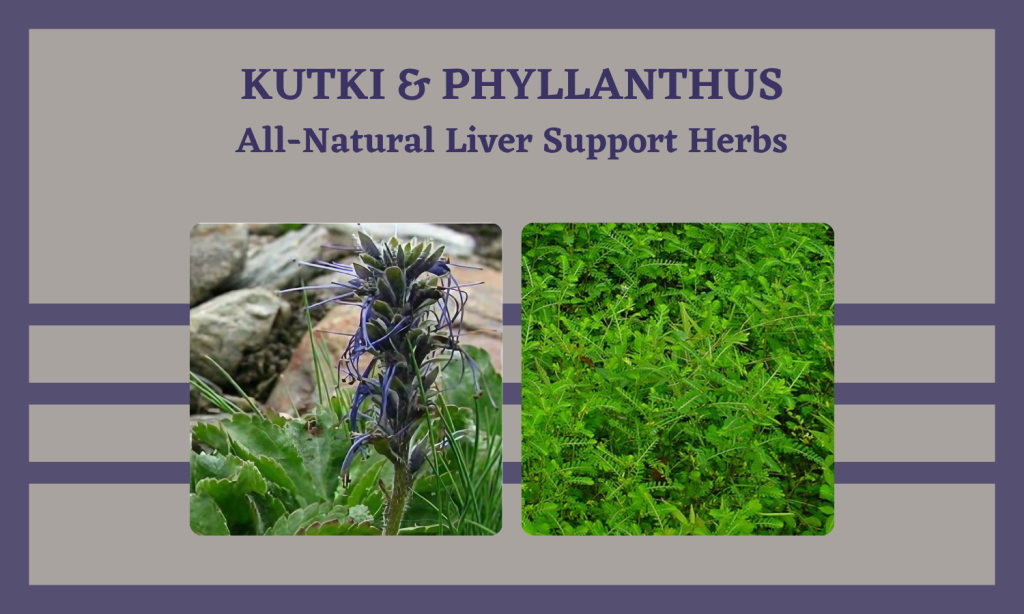
Herbal detox for liver health supports natural detoxification, bile flow, antioxidant defenses, and steady whole-body wellness daily.
Search for herbal detox for liver and you’ll find no shortage of dramatic promises. Three-day cleanses. Juice fasts. Supplement stacks. Products that claim to “flush toxins” from the body overnight. Some approaches are built around severe calorie restriction, while others rely heavily on laxatives, diuretics, or combinations of herbs designed to make you feel as though something dramatic is happening.
At Linden Botanicals, we think about liver detox very differently.
Your liver is already detoxifying your body every minute of every day. It doesn’t need to be shocked into action, scrubbed clean, or periodically reset. It needs the nutrients, antioxidant protection, healthy circulation, bile flow, hydration, and metabolic support that allow it to perform its normal work efficiently.
That distinction changes the entire conversation.
A thoughtful herbal detox for liver health is about reducing unnecessary burdens and supporting the biological systems that process medications, alcohol, hormones, metabolic byproducts, environmental compounds, and many of the other substances moving through the body every day.
Two botanicals stand out for us in this regard:
They have different histories, phytochemistries, and strengths. Phyllanthus offers particularly broad liver, kidney, antioxidant, digestive, and biliary support. Kutki has a long Ayurvedic history centered on the liver and bile and contains iridoid glycosides that have attracted substantial scientific interest.
Together, they offer a thoughtful alternative to the conventional “detox” mindset.
Most people know the liver removes unwanted substances from the body. That’s true, but it dramatically understates the organ’s importance.
The liver is one of the body’s major metabolic centers. Blood traveling from the gastrointestinal tract arrives carrying nutrients, medications, alcohol, hormones, and other compounds. Liver cells then help determine what should be stored, transformed, circulated, or prepared for elimination.
Among its many responsibilities, the liver helps:
That’s why liver health affects much more than digestion. Energy, metabolism, hormone balance, cardiovascular wellness, nutrient status, and the body’s ability to handle everyday exposures all depend partly on healthy liver function.
If you’re considering an herbal detox for liver support, the first thing to understand is that you’re not introducing detoxification to the body. You’re supporting an extraordinarily sophisticated system already in operation.
The word “detox” has become so commercialized that the real biology often gets lost.
The liver transforms many substances through enzyme-driven reactions commonly grouped into Phase I and Phase II metabolism.
During Phase I, enzymes, many belonging to the cytochrome P450 family, chemically modify certain substances through reactions such as oxidation, reduction, and hydrolysis.
This first step doesn’t always render a substance harmless. In some cases, it produces chemically reactive intermediate compounds that must be processed further.
During Phase II, the liver attaches other molecules to these compounds through processes such as glucuronidation, sulfation, acetylation, and glutathione conjugation.
This generally makes compounds more water-soluble and easier for the body to transport toward elimination through bile or urine.
This is one reason we are cautious about aggressive “detox accelerators.” The objective isn’t simply to drive Phase I as hard as possible. Healthy detoxification requires coordinated metabolism, adequate antioxidant defenses, normal bile transport, kidney function, intestinal elimination, and the nutrients needed to support these processes.
A good herbal detox for liver health supports balance and efficiency rather than intensity.
This is worth emphasizing because detox marketing often depends on an image of the liver as a filter gradually filling with toxins.
Biologically, that’s not how it works.
Your liver is living tissue composed largely of hepatocytes that continually perform chemical reactions. It doesn’t function like the air filter in your furnace, collecting contaminants until someone cleans it.
When liver function becomes impaired, the causes can include metabolic disease, alcohol, viral infection, medications, autoimmune conditions, genetic disorders, bile-flow problems, or other medical issues. Those conditions require appropriate evaluation and sometimes treatment.
For otherwise healthy people, supporting the liver is less about removing mysterious accumulated toxins and more about creating an environment in which liver cells can continue doing their jobs well.
That means eating nutritiously, limiting unnecessary alcohol, managing metabolic health, staying active, sleeping adequately, avoiding unnecessary supplement overload, and considering carefully selected herbs when appropriate.
Bile rarely gets the attention it deserves.
The liver continually produces bile, a fluid containing bile acids, cholesterol, bilirubin, phospholipids, and other substances. The gallbladder stores and concentrates much of that bile between meals.
When dietary fats reach the small intestine, bile helps disperse them so digestive enzymes can work more effectively. This supports the absorption of fats and fat-soluble vitamins, including vitamins A, D, E, and K.
But bile has another important function: elimination.
Certain substances processed by the liver are transported into bile, carried into the intestine, and eventually removed through stool. Hepatic metabolism and biliary excretion therefore work together as part of the body’s normal handling of many compounds.
This is one reason botanicals historically associated with healthy bile production and flow have such a logical place in liver-support traditions.
Both Phyllanthus niruri and Kutki are interesting in this context, although Kutki has an especially longstanding reputation as a bitter Ayurvedic liver and bile-support herb.
Detoxification is chemically demanding work.
The liver is exposed to reactive molecules generated through normal metabolism as well as external compounds the body must process. Fortunately, liver cells have substantial antioxidant defenses.
Glutathione is especially important. It participates in antioxidant protection and some Phase II conjugation reactions.
When production of reactive oxygen species outpaces antioxidant capacity, oxidative stress can develop. Excessive oxidative stress may damage cellular membranes, proteins, mitochondria, and other structures.
This is where antioxidant-rich botanicals become particularly relevant.
Phyllanthus niruri contains flavonoids, lignans, tannins, polyphenols, and other compounds with demonstrated antioxidant properties. Experimental research has found that Phyllanthus extracts and isolated constituents can reduce lipid peroxidation and help preserve reduced glutathione under conditions of chemically induced liver stress.
Kutki’s picrosides and other phytochemicals have likewise been widely investigated for antioxidant and hepatoprotective activity.
A useful herbal detox strategy should therefore think about protection as well as elimination.
Before discussing herbs, it’s worth stating something less exciting but more important: No botanical can outwork a lifestyle that continuously overwhelms the liver.
You don’t need to live perfectly. But you can reduce unnecessary burden.
Eat Mostly Whole Foods
Vegetables, fruits, legumes, whole grains, nuts, seeds, clean proteins, and healthy fats provide vitamins, minerals, amino acids, fiber, and phytochemicals used throughout metabolism.
Eat Plenty of Fiber
Fiber supports bowel regularity and helps move waste through the intestinal tract. That matters because substances entering the intestine through bile ultimately need an efficient route out of the body.
Include Cruciferous Vegetables
Broccoli, cauliflower, cabbage, kale, Brussels sprouts, and related vegetables contain glucosinolates and other phytochemicals that interact with metabolic enzyme systems.
Eat Adequate Protein
Amino acids are required throughout the body and participate in conjugation and antioxidant pathways. Extremely restrictive cleanses may actually reduce intake of compounds the liver needs.
Stay Hydrated
Water supports blood volume, digestion, kidney filtration, and normal elimination.
Limit Excess Alcohol
The liver metabolizes alcohol, and excessive intake can contribute to fat accumulation, inflammation, and liver injury.
Move Regularly
Exercise improves insulin sensitivity, cardiovascular function, metabolic health, and body composition, all of which can influence liver health.
Prioritize Sleep
Chronic sleep disruption affects hormones, appetite, glucose metabolism, inflammatory signaling, and other systems connected to metabolic wellness.
These habits aren’t dramatic. That’s precisely why they work as a long-term strategy.
Phyllanthus niruri is one of the most important plants in the Linden Botanicals story.
It is commonly known as Chanca Piedra, Spanish for “Stone Breaker,” because of its long traditional association with kidney and urinary stones. But focusing only on that famous use overlooks an extraordinary range of phytochemistry and research.
Phyllanthus niruri contains flavonoids, lignans, alkaloids, tannins, terpenoids, polyphenols, and other constituents. Reviews of the plant describe an unusually broad pharmacological profile, although study methods and preparations vary significantly and stronger standardized human research is still needed.
For liver support, several characteristics stand out:
At Linden Botanicals, Phyllanthus niruri is also something very practical: a genuinely enjoyable herbal tea that can be consumed consistently.
That matters more than people sometimes realize.
A substantial amount of preclinical research has investigated Phyllanthus niruri under conditions of chemically induced liver stress.
In one detailed experimental study, researchers compared multiple Phyllanthus extracts and isolated active compounds. Certain extracts and compounds demonstrated hepatoprotective activity associated with reduced lipid peroxidation and maintenance of glutathione in its reduced form.
Protecting liver tissue against excessive oxidative stress doesn’t “detox” the liver in the popular commercial sense. It supports the health of the cells actually carrying out detoxification.
That’s a much more meaningful goal.
A clinical study involving people with alcoholic hepatitis reported improvements in several measures with Phyllanthus niruri supplementation, but the authors also emphasized the need for additional research.
Research in nonalcoholic fatty liver disease provides an equally useful reminder not to oversimplify botanical science. A year-long study didn’t find significant improvements in liver fat measurement or liver enzymes among patients with mild-to-moderate NAFLD, although researchers did observe improvement in a fibrosis-related measurement and called for further investigation.
That’s exactly why we prefer the language of liver support rather than claiming Phyllanthus treats liver disease.
The preclinical hepatoprotective science is substantial. Human research is encouraging in some areas but incomplete and sometimes mixed.
Both things can be true.
One of the things that makes Phyllanthus particularly useful in a whole-body herbal detox strategy is that its traditional reputation extends beyond the liver.
The kidneys continually filter blood, regulate fluids and electrolytes, and eliminate many water-soluble waste products. Phyllanthus is famous for its use in kidney-stone support, and more recent reviews continue to examine its effects on crystallization, stone formation, and urinary chemistry.
The liver and kidneys perform different jobs, but they are complementary parts of the body’s elimination system.
That means Phyllanthus offers an unusually broad fit for people looking beyond a narrow “liver cleanse.” You can learn more about Phyllanthus niruri support for kidney health by visiting our Kidney Health Wellness Pathway. (Looking for more information about a natural kidney detox cleanse? Check out this article.)
We are particular about the Phyllanthus we source.
Several plants within the Phyllanthus genus are sold under similar common names. Phyllanthus niruri, Phyllanthus amarus, Phyllanthus urinaria, and other related species aren’t automatically interchangeable.
Species identification matters. Geographic origin matters, too.
At Linden Botanicals, we source our Phyllanthus niruri from the Amazon region of Peru, where the plant grows within its traditional tropical environment. Soil, rain, temperature, sunlight, local microorganisms, harvesting practices, and plant stress all influence phytochemical development.
We call this terroir.
It’s the same basic concept familiar to wine drinkers: where a plant grows helps shape what that plant becomes. For a medicinal botanical intended for regular use, we think that distinction deserves attention.
This isn’t an herb we discovered because market research suggested “detox” was a popular search term.
Phyllanthus niruri is the reason Linden Botanicals exists.
Michael Van der Linden began drinking the tea years ago while navigating his own health challenges. The plant ultimately became the company’s first product, and members of our team continue to drink it regularly.
We value it because it brings several things together:
traditional use, interesting science, broad whole-body support, excellent sourcing potential, and a tea pleasant enough to drink every day.
Its flavor is green, earthy, mild, and surprisingly approachable for an herb with such a serious medicinal reputation.
For someone interested in sustainable liver wellness, that’s a meaningful advantage.
If Phyllanthus niruri is our favorite everyday liver-support tea, Kutki has an even more concentrated traditional reputation as a liver herb.
Kutki, botanically known as Picrorhiza kurroa, grows in Himalayan regions and has been used for centuries in Ayurvedic medicine.
It is intensely bitter.
That bitterness is part of its identity and part of the reason it became closely associated with digestion, bile, and liver wellness in traditional practice.
Modern research has focused heavily on a group of constituents known as iridoid glycosides, especially picroside I and picroside II. Reviews of Picrorhiza research identify these compounds as important contributors to the plant’s antioxidant, anti-inflammatory, hepatoprotective, and other pharmacological activities.
Phyllanthus niruri has an unusually broad whole-body profile.
Kutki feels more targeted.
Its strongest traditional and research associations center on:
That makes Kutki particularly compelling when someone wants to build a liver-focused botanical routine rather than simply add another generalized antioxidant.
Research into Picrorhiza kurroa and picroliv, a standardized fraction derived from the plant, stretches back decades.
More recent reviews continue to identify the plant’s iridoid glycosides, particularly picrosides, as important bioactive constituents associated with hepatoprotective activity.
Much of this research is preclinical. That means Kutki shouldn’t be presented as a replacement for medical treatment of hepatitis, fatty liver disease, cirrhosis, or another diagnosed liver condition.
But there is a meaningful difference between saying “this cures liver disease” and saying “this is a deeply traditional liver herb with substantial experimental evidence supporting hepatoprotective mechanisms.”
The second statement is both more accurate and, in our view, more interesting.
Kutki has also attracted attention for cholerectic and anticholestatic activity in experimental research, meaning researchers have investigated its relationship to bile production and bile-flow disturbances.
That connection helps explain why traditional practitioners often associated Kutki with sluggish digestion.
Bile plays a crucial role in processing dietary fat. If fat digestion feels inefficient, meals may leave people feeling uncomfortably full or heavy, although digestive symptoms can arise for many reasons and persistent symptoms should be evaluated appropriately.
Supporting normal bile physiology can therefore connect liver health directly to digestive comfort and nutrient absorption.
That’s one reason Kutki fits naturally into an herbal detox for liver strategy that emphasizes normal physiology rather than extreme cleansing.
Inflammation is another recurring theme in liver health.
Short-term inflammation is part of normal repair and immune defense. Chronic or dysregulated inflammatory signaling, however, can contribute to tissue stress throughout the body.
Picrorhiza compounds have been investigated for effects on inflammatory pathways, including NF-κB-related signaling. Reviews describe anti-inflammatory actions alongside antioxidant and hepatoprotective properties.
Again, this doesn’t make Kutki a treatment for inflammatory liver disease. It does help explain why the plant’s traditional reputation for liver restoration has continued to attract modern scientific interest.
Traditional medicine frequently connects skin health with digestion and liver function.
Modern biology gives us reasons to be more cautious about statements such as “skin problems mean your liver is toxic.” Acne, eczema, psoriasis, rosacea, and other skin conditions have distinct and often complicated causes.
Still, there is a broader connection worth discussing.
Kutki’s antioxidant, anti-inflammatory, digestive, and liver-supporting profile may therefore complement a whole-body approach to skin wellness without requiring exaggerated “toxins coming out through the skin” explanations.
These two herbs aren’t duplicates. That’s precisely why we like them together.
A thoughtful liver-support strategy may consider several different priorities:
Protection
Bile flow
Antioxidant defenses
Healthy inflammatory signaling
Metabolic resilience
Elimination
Phyllanthus niruri offers especially broad support involving antioxidant defenses, liver tissue, kidneys, the urinary system, bile, digestion, and immune balance.
Kutki brings a more deeply liver-centered Ayurvedic tradition, with particular emphasis on hepatoprotection, bile physiology, antioxidant activity, and inflammatory balance.
In simple terms:
Phyllanthus provides broad daily support. Kutki adds deeper, more targeted liver and bile support.
That combination makes considerably more sense to us than an aggressive three-day cleanse built around laxatives or calorie restriction.
This distinction is essential.
Fatty liver disease, hepatitis, cirrhosis, cholestatic disease, autoimmune liver disorders, medication-induced liver injury, and other conditions require proper medical diagnosis and management.
Herbs shouldn’t be used to postpone evaluation when symptoms or laboratory results suggest liver disease.
Possible warning signs that warrant medical attention can include:
The liver has substantial reserve capacity, which means significant disease can sometimes exist before obvious symptoms appear.
If you have known liver disease, take medications metabolized by the liver, or are considering botanicals while receiving treatment, discuss supplement use with your healthcare professional.
Many products marketed as liver cleanses depend on the idea that discomfort proves efficacy.
You may be told that diarrhea, nausea, headache, fatigue, or feeling generally awful means “toxins are leaving the body.”
That interpretation can be dangerous.
A laxative causes bowel movements because it stimulates, irritates, or alters water movement within the intestine. A diuretic increases urination. Severe caloric restriction changes metabolism. None of these responses automatically demonstrates enhanced liver detoxification.
Aggressive regimens can also contribute to dehydration, electrolyte imbalance, blood sugar instability, and inadequate nutrient intake.
A sustainable herbal detox for liver health should feel much less theatrical.
Its goals are to:
The liver doesn’t need punishment for what you ate last weekend. It simply needs good conditions in which to work.
If you’re building a liver-support routine, start in the kitchen.
Leafy and Cruciferous Vegetables
Kale, cabbage, broccoli, cauliflower, Brussels sprouts, arugula, and other vegetables provide fiber, vitamins, minerals, and phytochemicals.
Garlic and Onions
These foods provide organosulfur compounds and add useful phytochemical diversity to the diet.
Berries and Deeply Colored Fruits
Blueberries, blackberries, cherries, and other colorful fruits provide polyphenols and antioxidant compounds.
Legumes and Whole Grains
These contribute fiber that supports gut microbes and regular elimination.
Healthy Fats
Olive oil, nuts, seeds, avocado, and fatty fish can contribute to cardiovascular and metabolic wellness.
Adequate Protein
Protein supplies amino acids involved in tissue repair, enzymes, glutathione synthesis, and multiple metabolic pathways.
Water
Hydration supports circulation, kidney filtration, bowel regularity, and normal metabolism.
There is no single liver-detox food. The goal is a varied diet that consistently supplies the body with useful raw materials.
The best botanical routine is usually one you can sustain.
Phyllanthus niruri Herbal Tea
Phyllanthus is particularly easy to make part of everyday life because it works beautifully as a looseleaf herbal tea.
Many people brew it in the morning and enjoy it throughout the day. Its mild flavor makes it easier to use consistently than many strongly bitter liver herbs.
Phyllanthus niruri Herbal Extract
Linden Botanicals also offers Phyllanthus as a powdered herbal extract. This provides a convenient alternative for travel, work, or times when brewing tea isn’t practical.
Kutki Herbal Extract
Kutki’s bitterness is intense, which is part of the reason an extract can be a practical preparation. It can be incorporated according to product directions into a broader liver-support routine.
You don’t necessarily have to use every herb every day forever. Some people make Phyllanthus part of their regular wellness habits and add Kutki during periods when they want more focused liver support.
Individual needs vary, particularly when medications or health conditions are involved.
If you’re going to use an herb to support one of the body’s most important metabolic organs, quality deserves attention.
Botanical products can differ based on:
This is especially important with Phyllanthus because closely related species can be confused or substituted in the marketplace.
Kutki also requires careful sourcing. Picrorhiza kurroa is a specific Himalayan botanical, not a generic synonym for every bitter “liver herb.”
At Linden Botanicals, we approach sourcing by first asking what the plant should be: Which species? From where? Grown under what conditions? Harvested how? Prepared how?
Only after those questions do we get to packaging.
Good botanical wellness begins with the right plant.
An herbal detox for liver health uses botanicals alongside diet and lifestyle to support normal hepatic processes such as metabolism, antioxidant protection, bile activity, and elimination.
It shouldn’t be understood as physically “washing” toxins out of the liver.
What are the best herbs for liver detox?
Many herbs have traditional liver-support uses. Two of Linden Botanicals’ favorites are Phyllanthus niruri and Kutki (Picrorhiza kurroa) because they offer complementary support involving antioxidant protection, hepatoprotective activity, bile physiology, and broader digestive wellness.
Does the liver need to be detoxed?
The liver is already one of the body’s primary detoxification organs. For most healthy people, the better goal is to support normal liver function rather than periodically attempt to “clean” the organ.
Can Phyllanthus niruri support liver health?
Preclinical research has demonstrated hepatoprotective and antioxidant effects, including reduced lipid peroxidation and preservation of glutathione under experimental conditions. Human research exists but is less consistent, and more high-quality clinical studies are needed.
Is Phyllanthus niruri the same as Chanca Piedra?
Phyllanthus niruri is commonly called Chanca Piedra or Stone Breaker. However, several related Phyllanthus species circulate under similar common names, which is why accurate botanical identification matters.
What is Kutki?
Kutki is Picrorhiza kurroa, a bitter Himalayan herb with a long history in Ayurvedic medicine. Researchers have studied its iridoid glycosides, particularly picrosides, for antioxidant, anti-inflammatory, hepatoprotective, and other biological activities.
Does Kutki support bile flow?
Experimental research involving Picrorhiza-derived preparations has reported cholerectic and anticholestatic activity, providing one scientific basis for its traditional association with bile and liver support.
Can I take Phyllanthus niruri and Kutki together?
Some people use the two botanicals together because their liver-support profiles are complementary. Suitability depends on individual health, medications, other supplements, and intended use.
People with diagnosed liver or gallbladder disease, those taking prescription medication, and those who are pregnant or nursing should discuss botanical use with an appropriate healthcare professional.
How long should a liver detox last?
We don’t think liver support needs to revolve around a short “detox period.”
Healthy liver function matters every day. Nutritious food, movement, sleep, healthy weight management, appropriate alcohol intake, and other supportive habits should be ongoing. Botanical use may be ongoing or periodic depending on the herb and individual.
Should a liver detox cause diarrhea or make me feel sick?
No. Diarrhea, vomiting, significant nausea, weakness, or dehydration aren’t evidence that a liver cleanse is “working.” If a supplement causes concerning symptoms, stop using it and seek appropriate guidance.
Can an herbal detox reverse fatty liver disease?
Herbs shouldn’t be relied upon to reverse diagnosed fatty liver disease. Weight management when appropriate, physical activity, nutrition, metabolic risk management, and medical care are central to treatment.
Interestingly, a year-long Phyllanthus niruri study in mild-to-moderate NAFLD didn’t significantly improve liver fat or liver enzymes, although an improvement in fibrosis score was reported. That mixed result is another reason to avoid overselling botanical evidence.
If there is one idea we want people to take away, it is this:
Your liver needs support, not a dramatic rescue.
That support starts with food, hydration, exercise, sleep, metabolic health, sensible alcohol consumption, and regular elimination. Herbs can then provide another layer.
Phyllanthus niruri and Kutki are two plants we particularly value because they approach liver wellness in complementary ways.
Phyllanthus is broad and versatile. It supports antioxidant defenses, liver health, bile, kidneys, urinary wellness, digestion, and other systems involved in maintaining internal balance. It is also mild enough in flavor to make an exceptional daily drinking tea.
Kutki is more intensely liver-focused. Its long Ayurvedic history and iridoid glycosides make it especially interesting for hepatoprotective, antioxidant, bile, and healthy inflammatory-response support.
Neither one needs to be presented as a miracle cleanse to be remarkable.
The popular detox industry often treats the human body as though it has failed and needs outside intervention to fix it.
We see things differently.
Your liver is already performing an extraordinary amount of work. Liver cells are transforming compounds. Antioxidant systems are protecting tissues. Bile is carrying substances toward the intestine. The kidneys are filtering blood. The gastrointestinal tract is moving waste toward elimination.
A thoughtful herbal detox for liver respects those systems rather than trying to overpower them.
Reduce what unnecessarily burdens the body. Give it the nutrients it needs. Support healthy metabolism and elimination. Choose botanicals with meaningful traditional histories, compelling science, accurate species identification, and careful sourcing.
For us, Phyllanthus niruri and Kutki check those boxes exceptionally well.
The best liver detox is the approach that helps you support your liver steadily, intelligently, and sustainably over time.
To learn much more about these remarkable botanicals, explore the Linden Botanicals Phyllanthus niruri FAQ and Kutki FAQ, along with our additional liver-health resources.
The best female hormone balance supplements support reproductive wellness, stress resilience, bone health, energy, and healthy aging. If you’re researching the best female hormone balance

A natural kidney detox cleanse supports healthy filtration, urinary function, and kidney wellness with thoughtful daily habits. If you’re searching for a natural kidney detox
Herbal detox for liver health supports natural detoxification, bile flow, antioxidant defenses, and steady whole-body wellness daily. Search for herbal detox for liver and you’ll

All-natural, Mediterranean Cistus incanus (pink rock rose) makes an exceptionally healthy herbal tea. It’s our bestselling product. Pink rock rose, also known as Cistus incanus,