




Vaccinium uliginosum (Bilberry) Extract
Significant neuroprotective properties that may improve memory and lower the risk of cognitive decline. Bilberry (Vaccinium) is a powerful nootropic, adaptogen, and antioxidant. A rich, natural source of anthocyanins, the “brain berry” supports cognitive ability in adults of all ages. (as low as 24 cents per serving)
Price: From: $41.50 ➙ Never Run Out with Autoship — available on subscription
Vaccinium uliginosum – 20:1 concentrate
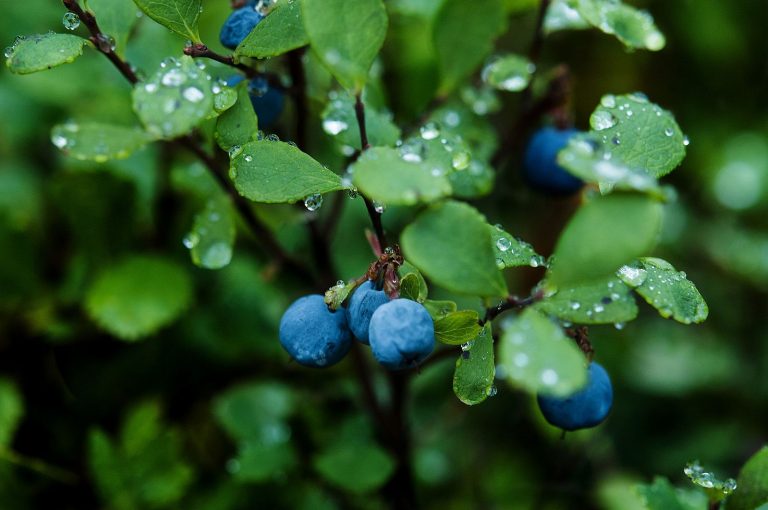
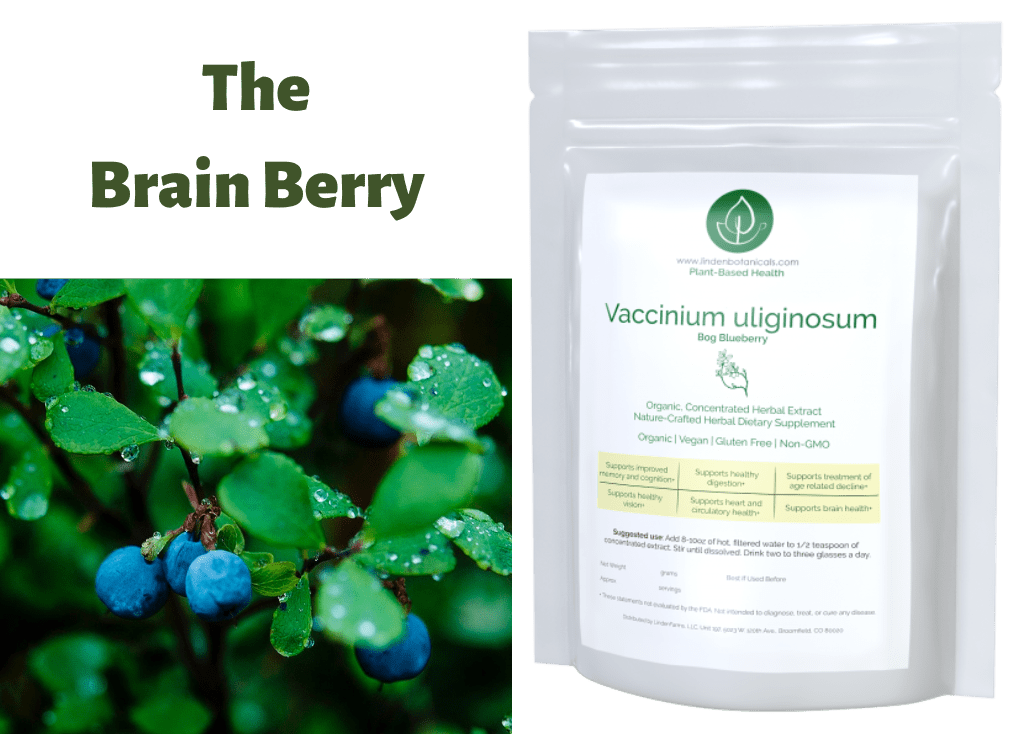
Bilberry (Vaccinium uliginosum) has earned a global reputation as one of nature’s most powerful superfruits. It’s a powerful nootropic, an adaptogen, and an antioxidant. We call it the Brain Berry. Rich in anthocyanins and antioxidants, bilberry supports nootropic brain health, sharpens vision, and strengthens circulation.
Traditionally used for centuries in European and Asian herbal medicine, bilberry is prized for protecting cognitive function, promoting eye health, reducing inflammation, and supporting heart and metabolic health. Among many other uses, it is recognized as a possible tool to help combat chronic and infectious diseases in aging populations.
Vaccinium (Bilberry) is also included as one of five herbal extracts in BrainStorm Brain Health Support Kits. (The other extracts are Cistanche, Haritaki, Polygala, and Semen cuscutae.)
For a broad overview of the health benefits of Bilberry, check out the Bilberry FAQ.
Bilberry Health Benefits
Nootropic Brain Health
Bilberry’s anthocyanins have been shown to protect neurons from oxidative stress and improve blood flow to the brain. This means sharper focus, enhanced memory, and greater cognitive resilience. Studies suggest bilberry may help slow age-related cognitive decline, making it a powerful ally for long-term brain health.
Eye Health and Vision
Bilberry is perhaps most famous for its ability to support vision. Its antioxidants help strengthen retinal function, improve night vision, and protect the eyes from oxidative damage caused by UV exposure and aging. Pilots in World War II reportedly used bilberry to improve nighttime sight.
Circulatory and Heart Health
By supporting healthy circulation and reducing oxidative stress, bilberry helps maintain strong capillaries, arterial flexibility, and balanced blood pressure. This contributes not only to heart health but also to oxygen delivery throughout the body, which improves energy and stamina.
Anti-Inflammatory and Metabolic Support
Bilberry has natural anti-inflammatory effects and supports healthy blood sugar levels. It can help modulate metabolic function, offering additional protection against conditions related to oxidative stress, such as diabetes and chronic inflammation.
More About the Brain Berry
James Joseph, PhD, lead scientist in the Laboratory of Neuroscience at the USDA Human Nutrition Research Center on Aging at Tufts, published landmark research on blueberry as a dietary supplement. As he noted, “This is the first study that has shown that dietary supplementation with fruit and vegetable extracts that are high in phytonutrient antioxidants can actually reverse some of the aging-related neuronal/behavioral dysfunction.”
Also known as Bilberry and Bog Blueberry, Vaccinium’s benefits for neurological health and vigor are so well established as to make daily consumption of the fruit a no-brainer for virtually everyone. Moreover, new studies continue to confirm blueberries’ remarkable health-promoting therapeutic uses and effects in other areas of the human body.
ADDITIONAL RESOURCES:
Native American and other traditional medicine systems suggest Vaccinium uliginosum may support:
- Heart health/circulation
- Strong immune system
- Healthy eyes/vision
- Healthy inflammation response
- Brain health
- Improved memory and cognition
- Digestive health
- Insulin resistance
- Skin and joint health
Serving Suggestion
Instructions: Add 1/2 teaspoon of extract to 8 oz of cool water, a cup of juice, a memory and focus smoothie, or a stress relief smoothie. Stir until dissolved. Drink 1-3 servings a day.
Additional Information
The information herein is intended for educational purposes only. This information should not substitute for seeking responsible, professional medical care. The information provided should not be used during any medical emergency. Not intended to be used for the diagnosis, treatment, prevention, or curing of any medical condition. Consult with your healthcare provider before using any herbal supplement.
Native Americans have long valued the blue-tinged fruit of Vaccinium uliginosum (Bilberry, Bog Blueberry), a low woody shrub whose calyx forms a delicate five-point star. For centuries, native American cultures had consumed “star berries” not only as food but also as medicine, drinking blueberry juice to relieve coughs, brewing a tea from blueberry leaves as a tonic, and eating fresh, dried berries to sharpen their vision.
Airelle, Airelle Bleue, Airelle des Marais, Airelle des Marécages, Airelle Noire, Arándano Negro, Bilberry, Black Whortles, Blaeberry, Blueberries, Blueberry Extract, Bog Blueberry, Embrune, Fausse Myrtille, Huckleberry, Hurtleberry, Hurts, Moosbeere, Myrtille de Marais, Orcette, Trackleberry, Vaccinium Frondosum, Vaccinium Gaultherioides, Vaccinium Occidentale, Vaccinium Uliginosum, Western-Huckleberry, Whinberry, Whortleberry
Flavonoids: flavone: luteolin; flavonols: rutin, myricetin, Myricetin-3-O-galactoside, quercetrin, laricitrin, syringetin,kaempferol, isorhamnetin and quercetin, quertectin-3-O-galactoside; flavanols: gallocatechin, epigallocatechin, catechin, and catechin gallate
Anthocyanins: anthocyanidins: malvidin-3-galactoside, malvidin-3-glucoside, and cyanidin, delphinidin, petunidin, peonidin and, arabinose
Polyphenols: Pterostilbene, resveratrol, ellagic acid, phlorizin, naringin and kaempferol
Vaccinium uliginosum (Bilberry, Bog Blueberry) extract may lower blood sugar levels. Take caution when using in combination with diabetes medication. If pregnant or breastfeeding, consult your physician before using any herbal supplement.
| Weight | N/A |
|---|---|
| Weight | 200g, 300g, 400g, 500g, 600g, 1000g |
Related Products


Price: From: $27.50 ➙ Never Run Out with Autoship — available on subscription

Price: From: $17.99 ➙ Never Run Out with Autoship — available on subscription