Herbal detox supports the body’s natural elimination processes through digestive health, liver function, and balanced gut microbiota.
If you want to optimize your health, digestive health is one of the best places to start. Digestion affects far more than whether your stomach feels comfortable after a meal. Your digestive system helps break down food, absorb nutrients, regulate immune activity, communicate with the brain, eliminate waste, and maintain a remarkably complex community of microorganisms that influence health throughout the body.
This is also why we think differently about herbal detox at Linden Botanicals.
The body does not need to be “flushed” clean. Your liver, kidneys, digestive tract, lymphatic system, lungs, and skin are already working around the clock to process and eliminate substances your body doesn’t need. A thoughtful herbal detox regimen should support those natural processes rather than attempt to replace, accelerate, or overwhelm them.
That distinction matters. Extreme cleanses, severe fasting, laxative-heavy products, and dramatic detox programs can make people feel as though something powerful is happening. But more dramatic does not necessarily mean more beneficial.
A better approach starts with healthy food, adequate hydration, movement, sleep, stress management, and regular elimination. Carefully selected botanicals can then provide additional support for digestion, liver function, the gut microbiome, inflammatory balance, and antioxidant defenses.
For us, herbal detox is really about supporting the body in doing what it already knows how to do.
What Does “Detox” Actually Mean?
Detoxification has become a marketing term, but it describes real biological processes.
Every day, your body encounters compounds it needs to process. Some originate outside the body, including alcohol, medications, pollutants, and chemicals. Others are normal byproducts of metabolism, hormone activity, digestion, and cellular function.
The body continuously transforms, packages, transports, and eliminates these substances.
The liver plays a central role. Blood arriving from the digestive tract carries nutrients and other compounds to the liver, where they can be metabolized, stored, modified, or prepared for elimination. The kidneys filter the blood and remove many water-soluble waste products through urine. The gastrointestinal tract carries waste out of the body, while bile provides an important pathway for eliminating certain substances through the digestive system.
Even the lungs contribute by removing carbon dioxide and other volatile compounds.
A sensible herbal detox strategy therefore isn’t about discovering some hidden pathway that conventional biology has overlooked. It is about supporting the organs and processes already responsible for maintaining internal balance.
The Connection Between Digestion and Herbal Detox
Digestion and detoxification are closely connected.
Before your body can benefit from the nutrients in food, proteins must be broken into amino acids, carbohydrates into simpler sugars, and fats into fatty acids and other components. Vitamins, minerals, and thousands of plant compounds must then cross the intestinal barrier and enter circulation.
At the same time, the digestive tract must keep unwanted substances moving toward elimination.
This is one reason bowel regularity matters. Healthy intestinal motility helps move waste through the gastrointestinal tract rather than allowing it to remain there unnecessarily.
The intestinal lining matters, too. This thin but sophisticated barrier determines what passes from the digestive tract into the body. It also interacts constantly with immune cells and microorganisms living in the gut.
Supporting digestion therefore means supporting several things simultaneously: nutrient breakdown, absorption, intestinal integrity, microbial balance, motility, and elimination.
A well-designed herbal detox regimen should take all of them into account.
Your Gut Microbiome Is Part of the Picture
The human digestive tract contains trillions of microorganisms, including bacteria, fungi, viruses, and other microbes. Collectively, they form the gut microbiome.
These organisms aren’t simply passengers. Beneficial gut bacteria help metabolize components of food, produce certain vitamins and metabolites, interact with immune cells, and maintain the intestinal environment.
Problems can arise when this microbial ecosystem becomes significantly imbalanced. Diet, illness, medications, stress, sleep, and other lifestyle factors can all influence the composition of the microbiome.
This helps explain why a digestive-health strategy shouldn’t focus exclusively on “killing bad bacteria.” Supporting a diverse, balanced intestinal environment is generally a much more useful goal.
Certain botanicals are particularly interesting because their phytochemicals may interact selectively with intestinal microorganisms. Rosa rugosa, for example, has been studied for antibacterial activity that appears to differ among beneficial and pathogenic intestinal bacteria.
For people interested in herbal detox, supporting a healthy microbiome can be an important part of supporting the entire digestive ecosystem.
Why Liver Health Matters for Herbal Detox
If digestion is the front door, the liver is one of the body’s major processing centers.
The liver performs hundreds of functions. It helps regulate blood glucose, metabolize fats, process hormones, produce important proteins, store nutrients, transform medications and other compounds, and produce bile.
Detoxification reactions are often discussed as Phase I and Phase II processes.
During Phase I, specialized enzymes modify compounds into forms that can be processed further. Some of the resulting intermediate compounds can be chemically reactive.
During Phase II, the liver attaches other molecules to these compounds, generally making them easier to transport and eliminate.
This is one reason the popular idea of “speeding up detoxification” can be misleading. The goal isn’t simply to make one pathway work as fast as possible. These interconnected processes need adequate nutrients, antioxidant defenses, healthy liver cells, bile flow, hydration, and efficient elimination.
The best herbal detox strategy supports balance rather than intensity.
Bile: An Often-Overlooked Part of Digestive Health
Bile is produced by the liver and stored in the gallbladder. When you eat, particularly when you consume fat, bile enters the small intestine and helps emulsify dietary fats so digestive enzymes can process them effectively.
This allows your body to absorb fats and fat-soluble vitamins, including vitamins A, D, E, and K.
Bile also serves as an elimination route for cholesterol, bilirubin, and certain metabolized compounds.
That makes healthy bile production and flow relevant to both digestion and the body’s natural elimination processes.
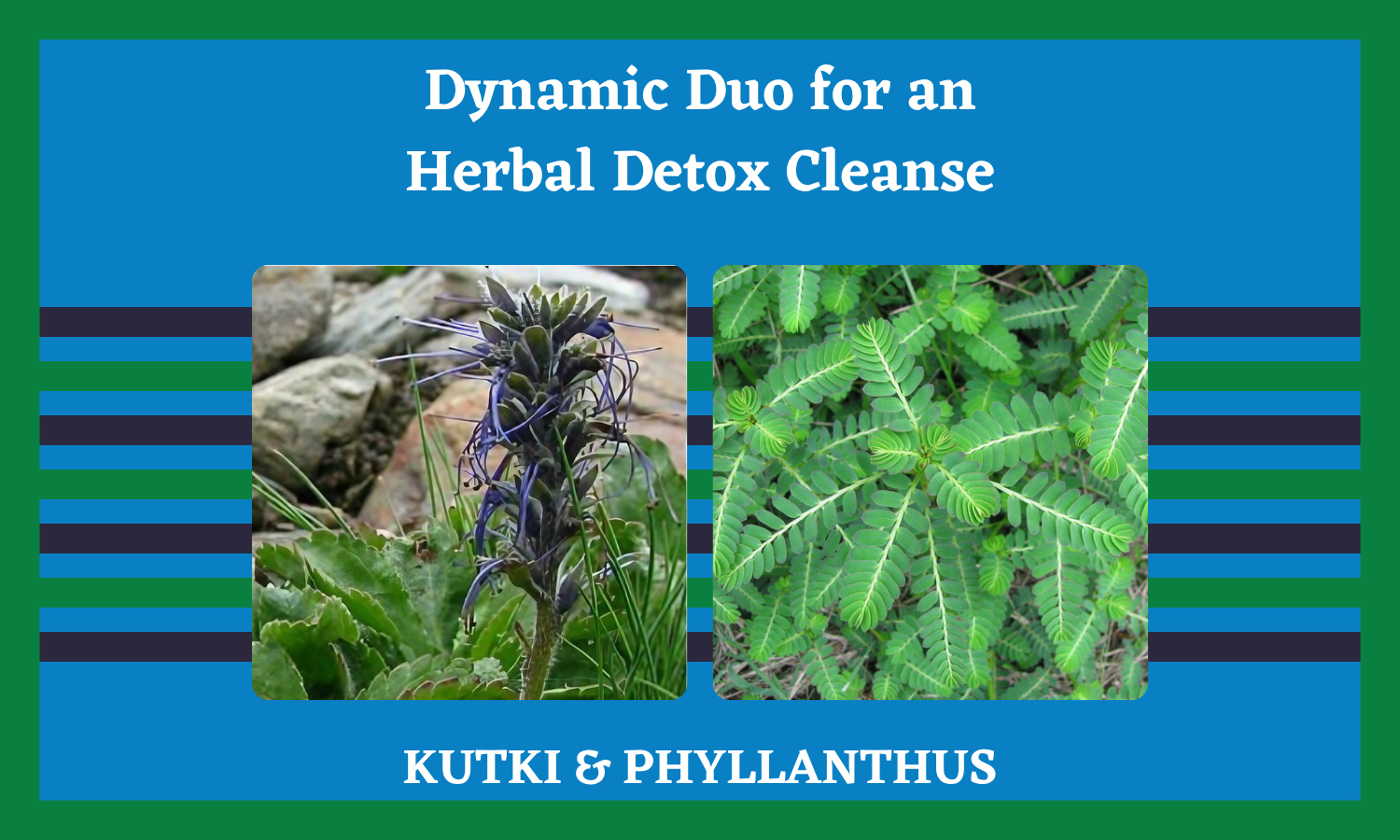
Phyllanthus niruri is particularly interesting in this context because of its traditional use and research involving liver and biliary health.
Oxidative Stress and the Need for Antioxidant Protection
Another important part of the herbal detox conversation is oxidative stress.
Free radicals and other reactive molecules are normal products of metabolism. The body has sophisticated antioxidant systems designed to keep them under control.
Problems arise when production of reactive molecules exceeds the body’s ability to neutralize them. This imbalance is known as oxidative stress.
Oxidative stress can affect cellular membranes, proteins, DNA, mitochondria, and tissues throughout the body. It is also associated with inflammation and many processes involved in aging and chronic disease.
Plant foods and medicinal botanicals contain polyphenols, flavonoids, tannins, anthocyanins, and other phytochemicals that can contribute to antioxidant defenses.
This is one reason antioxidant-rich botanicals have a logical place in an herbal detox strategy. The objective isn’t simply elimination. Protecting cells while the body carries out normal metabolic and detoxification processes is equally important.
The Gut-Brain Connection
Digestive health doesn’t stop at the digestive tract.
Scientists increasingly study communication between the gastrointestinal system and the central nervous system through what is commonly called the gut-brain axis. This communication involves neural pathways, immune signaling, hormones, microbial metabolites, and the vagus nerve.
Stress can change digestion. Digestive disturbances can affect mood. The microbiome can influence metabolites involved in neurological function. Sleep, stress, food, exercise, and gut health interact in remarkably complex ways.
This connection is particularly relevant to Cistanche. Research has explored how Cistanche may influence gut microbiota and the microbiota-gut-brain axis, in addition to its better-known antioxidant, neuroprotective, mitochondrial, and healthy-aging properties.
A whole-body approach to herbal detox should acknowledge these connections rather than treating the digestive system as an isolated tube.
Building a Healthy Foundation Before Starting an Herbal Detox
No botanical can compensate for habits that continuously work against digestive and metabolic health.
Fortunately, supporting digestion doesn’t require perfection. A few consistent habits can make a meaningful difference.
Eat More Whole, Fiber-Rich Foods
Vegetables, fruits, legumes, nuts, seeds, and whole grains provide fiber that supports bowel regularity and feeds beneficial gut microorganisms. Eating a variety of plant foods also exposes the microbiome to a wider variety of phytochemicals.
Drink Enough Water
Water supports digestion, bowel function, circulation, kidney filtration, and countless metabolic reactions. Inadequate hydration can contribute to constipation and make normal elimination more difficult.
Move Regularly
Physical activity supports intestinal motility and metabolic health. Even walking can help promote healthy digestion and bowel regularity.
Give Your Digestive System Real Food
Highly processed diets tend to contain less fiber and greater quantities of refined carbohydrates, added sugars, and certain fats. Building meals around minimally processed foods generally gives the digestive system and microbiome a better nutritional foundation.
Pay Attention to Stress
The digestive system is highly responsive to stress. Some people lose their appetite under pressure. Others develop stomach discomfort, altered bowel habits, bloating, or cravings.
Meditation, yoga, breathing exercises, time outdoors, exercise, and adequate sleep can all contribute to a healthier stress response.
Once those foundations are in place, carefully chosen botanicals can provide another layer of support.
Herbal Detox and the GUTSY Digestive Health Kit
At Linden Botanicals, we developed our GUTSY Digestive Health Kit around four botanicals that approach digestive and whole-body wellness from different directions:
- Haritaki (Terminalia chebula)
- Phyllanthus niruri (Chanca Piedra)
- Cistanche tubulosa
- Rosa rugosa (Rose Hips)
We selected these botanicals because herbal detox is not a single biological process. Healthy digestion involves the intestines, liver, microbiome, cellular antioxidant systems, metabolism, inflammatory signaling, and even communication between the gut and brain.
Together, the four herbs provide complementary support.
GUTSY Digestive Health Kits are designed to:
- Promote healthy gut microbiota
- Support healthy liver function
- Provide intestinal mucosa and motility support
- Protect against free radical damage
- Support a healthy inflammatory response
Each extract is packaged individually. That gives you the flexibility to use the botanicals together or explore them individually and learn which ones work best for you.
Haritaki: Digestive, Elimination, and Antioxidant Support
Haritaki (Terminalia chebula) occupies an important place in Ayurvedic medicine and has traditionally been associated with digestion, elimination, rejuvenation, and whole-body wellness.
Its fruit contains numerous biologically active compounds, including tannins and polyphenols such as chebulagic acid, chebulinic acid, and gallic acid. These compounds contribute to Haritaki’s antioxidant and inflammation-modulating activity.
For an herbal detox regimen, Haritaki is particularly interesting because it supports one of the most fundamental requirements of detoxification: efficient digestion and elimination.
Traditional uses of Haritaki include support for constipation, gas, bloating, digestive discomfort, and irregular bowel function. By supporting gastrointestinal motility and regularity, Haritaki may help the digestive tract efficiently move waste toward elimination.
Haritaki also contains brain health support properties. A study published in Advances in Pharmacological and Pharmaceutical Sciences indicates that Haritaki herbal supplement and its constituents have antioxidant and anti-inflammatory effects that may provide support for the treatment of Alzheimer’s disease. To learn more, continue reading below and check out the Haritaki FAQ.
Haritaki and the Gut
Haritaki’s potential digestive benefits extend beyond regularity. Research has investigated its antimicrobial activity, effects on gastrointestinal tissues, and antioxidant properties.
A healthy intestinal environment depends on much more than eliminating unwanted microbes. The goal is maintaining an ecosystem in which beneficial organisms can thrive while the intestinal barrier remains healthy.
Haritaki’s combination of digestive, antioxidant, and microbial support makes it particularly well suited to a whole-system approach.
Haritaki Beyond Herbal Detox
One of the reasons we value Haritaki so highly is that its potential benefits extend well beyond digestion.
Haritaki has also been studied for neuroprotective properties. Its antioxidant and anti-inflammatory constituents are being investigated for their ability to help protect nerve cells from oxidative and inflammatory damage associated with cognitive decline.
It also has a strong reputation for joint support. Research involving healthy subjects suggests standardized Terminalia chebula extracts may support joint comfort, mobility, and functional capacity.
In other words, Haritaki isn’t merely a “cleanse herb.” It is a broad-spectrum botanical that connects digestive health with antioxidant protection, joint wellness, and healthy cognitive aging.
Phyllanthus niruri: Liver, Kidney, and Digestive Support
Phyllanthus niruri, commonly known as Chanca Piedra or “stone breaker,” is one of the herbs most closely connected to the Linden Botanicals story.
It is also one of our favorite daily drinking teas.
Native to tropical regions, including the Amazon, Phyllanthus niruri contains more than 100 identified bioactive compounds. Its phytochemical profile includes lignans, flavonoids, tannins, alkaloids, terpenes, and other constituents that researchers have investigated for liver, kidney, metabolic, antioxidant, and immune-supporting effects.
Although many people first discover Phyllanthus because of its traditional association with kidney and gallstones, its potential benefits are much broader.
Phyllanthus niruri is the reason we started Linden Botanicals in the first place. It’s an exceptional (and tasty) daily drinking herbal tea. To learn more, continue reading below and check out the Phyllanthus niruri FAQ.
Phyllanthus niruri and Liver Health
For an herbal detox strategy, its liver-supporting properties are especially important.
Research has explored the hepatoprotective properties of Phyllanthus niruri, including its potential to protect liver cells against oxidative stress and other forms of damage. Supporting healthy liver tissue helps reinforce the organ responsible for processing an enormous range of substances every day.
Phyllanthus also supports healthy bile activity. Bile helps digest dietary fats and absorb fat-soluble nutrients while providing an important pathway for eliminating certain metabolic products.
The liver is not a filter that periodically becomes “dirty.” It is a living, metabolically active organ performing extraordinarily complex chemistry every minute of the day. Phyllanthus makes sense as an herbal detox botanical because it supports that normal physiology rather than attempting to force an artificial cleanse.
Kidney and Urinary Support
The kidneys are another essential part of natural detoxification. They continuously filter blood, help maintain electrolyte and fluid balance, and remove metabolic waste through urine.
Phyllanthus niruri has a particularly long history of use for kidney and urinary wellness and is famous internationally for its association with kidney stones.
That combination of liver, kidney, biliary, digestive, and antioxidant support makes Phyllanthus an unusually versatile botanical for people interested in whole-body wellness.
And there’s another advantage: it tastes good. Its mild, earthy flavor makes Phyllanthus niruri an exceptional everyday drinking tea rather than something you have to endure because it’s “healthy.”
Cistanche tubulosa: Gut-Brain, Mitochondrial, and Healthy Aging Support
Cistanche has been used in Traditional Chinese Medicine for centuries and has earned a reputation as a longevity and vitality herb. We affectionately call it Methuselah’s Breakfast.
Cistanche may seem like an unusual ingredient in an herbal detox formula until you look at digestion as part of a larger interconnected system.
Research has explored Cistanche’s effects on gut microbiota and the microbiota-gut-brain axis. This is significant because the microorganisms inhabiting the gastrointestinal tract produce metabolites that can influence immune signaling, inflammation, metabolism, and neurological function.
Cistanche’s potential to help support microbial homeostasis therefore connects digestive wellness with broader physical and mental health.
Herbal Support for Cellular Energy
Cistanche is also particularly interesting for mitochondrial health.
Mitochondria generate much of the usable energy cells need to function. Healthy mitochondrial activity is important throughout the body, including in metabolically demanding organs such as the liver and brain.
Research suggests compounds in Cistanche may support mitochondrial function and antioxidant capacity while helping protect cells from oxidative stress.
That broad cellular support helps explain why Cistanche has traditionally been associated with energy, endurance, vitality, cognitive function, and healthy aging.
Rather than thinking of herbal detox simply as “getting something out,” Cistanche reminds us to think about what healthy cells need in order to function well in the first place.
A study in Frontiers in Pharmacology suggests Cistanche shows antidepressant-like effects on chronic stress. The study concluded that Cistanche is a “potential treatment for depressive symptoms by restoring homeostasis of gut microbiota for microbiota–gut–brain axis disorders, opening new avenues in the field of neuropsychopharmacology.” It’s a great addition to many herbal cleanse or herbal detox regimens.
Other research shows Cistanche has significant neuroprotective properties and may enhance mitochondrial function and antioxidant capacity, which may improve longevity and endurance and reduce fatigue.
Another study published in Frontiers in Pharmacology calls Cistanche “One of the Best Pharmaceutical Gifts of Traditional Chinese Medicine,” highlighting its bio-activities, including anti-oxidation, neuroprotection, and anti-aging. The study notes that it has traditionally been used to enhance “immunity, sexual health, antioxidation, and neuroprotection.”
Cistanche is a favorite among our team. To learn more, check out the Cistanche FAQ.
Rosa rugosa: Supporting the Microbiome and Antioxidant Defenses
Rosa rugosa brings another dimension to the GUTSY formula.
Rose hips are naturally rich in vitamin C, polyphenols, carotenoids, flavonoids, and other antioxidant compounds. These phytochemicals help defend cells against oxidative stress and support healthy inflammatory balance.
Rosa rugosa also has a history of use in East Asian traditional medicine for digestive discomfort, diarrhea, abdominal fullness, and inflammatory concerns.
Rosa rugosa and Gut Bacteria
Particularly interesting is research examining Rosa rugosa’s activity against intestinal and pathogenic bacteria.
Rather than simply displaying indiscriminate antibacterial activity, Rosa rugosa extracts have demonstrated selective effects in laboratory research. This has prompted comparisons with prebiotic compounds that may help create a more favorable intestinal environment.
That matters because a healthy microbiome isn’t one without bacteria. Quite the opposite. The digestive tract depends on enormous communities of microorganisms living in balance with one another and with us.
Supporting that balance is much more consistent with the Linden Botanicals approach than trying to “sterilize” the gut.
Antioxidants and Healthy Aging
Rosa rugosa also brings substantial antioxidant support to an herbal detox regimen. Oxidative stress affects the digestive tract, liver, cardiovascular system, brain, skin, connective tissues, and virtually every other part of the body.
Its combination of vitamin C and diverse plant antioxidants makes Rosa rugosa relevant not only to digestive wellness but also to immune health, collagen formation, cellular protection, and healthy aging.
A study published in Bioscience, Biotechnology, and Biochemistry indicates that Rosa rugosa “showed selective antibacterial activities against intestinal and pathogenic bacteria, and the selectivity resembled that of prebiotics such as oligosaccharides and dietary fiber.” Rosa rugosa may inhibit bad bacteria while supporting the friendly gut microbiome.
Rosa rugosa is a global favorite for its antioxidant, anti-inflammation, and anti-aging properties, along with its high levels of vitamin C. Check out the Rosa rugosa FAQ.
Why These Four Herbal Detox Botanicals Work Well Together
Haritaki, Phyllanthus niruri, Cistanche, and Rosa rugosa don’t all do the same thing. That’s precisely the point.
Haritaki emphasizes digestion, intestinal motility, elimination, antioxidant protection, and microbial balance.
Phyllanthus niruri provides particularly strong support for the liver, bile, kidneys, urinary system, and antioxidant defenses.
Cistanche connects digestive wellness to the microbiome, mitochondria, brain, energy, and healthy aging.
Rosa rugosa provides antioxidant, anti-inflammatory, and microbiome support while contributing naturally occurring vitamin C and other phytonutrients.
Taken together, they create a much more comprehensive approach than a product designed simply to stimulate bowel movements or produce the temporary sensations people associate with a “cleanse.”
That’s what we mean by herbal detox.
Herbal Detox vs. an Extreme Cleanse
It is worth emphasizing the difference.
An extreme cleanse may rely on fasting, severe calorie restriction, laxatives, diuretics, or large quantities of supplements. Rapid weight loss or frequent trips to the bathroom can make the program feel effective, but neither necessarily demonstrates that the body’s detoxification systems are functioning better.
A thoughtful herbal detox is much less dramatic.
It focuses on nourishing the body, supporting the liver and kidneys, maintaining healthy intestinal motility, protecting cells against oxidative stress, encouraging a balanced microbiome, and providing the nutrients necessary for normal metabolic function.
The goal isn’t to make your body work frantically for three days.
The goal is to help it work well every day.
Can You Support Detoxification Through Food?
Absolutely. In fact, food should be foundational.
Fiber-rich vegetables and fruits help support bowel regularity and the microbiome. Cruciferous vegetables such as broccoli, cabbage, Brussels sprouts, and cauliflower contain compounds that interact with liver enzyme systems. Garlic and onions provide sulfur-containing compounds. Berries and deeply colored fruits and vegetables supply polyphenols and other antioxidants.
Adequate protein also matters because amino acids participate in many metabolic and liver processes.
Rather than looking for a perfect “detox food,” eat broadly. A colorful, varied, minimally processed diet gives the body a much larger range of nutrients and phytochemicals to work with.
How Long Should an Herbal Detox Last?
This is another area where we differ from the conventional cleanse mindset.
Healthy digestion, liver function, antioxidant protection, and microbiome balance don’t become irrelevant after seven days. They are lifelong concerns.
Some people may choose to use botanical support for a limited period, particularly after travel, dietary disruption, illness, stress, or other changes in routine. Others incorporate digestive and liver-supporting herbs into their everyday wellness practices.
The appropriate approach depends on the botanical, your health, medications, and individual needs.
More isn’t necessarily better, and herbs are biologically active. People who are pregnant or breastfeeding, take prescription medications, have liver or kidney disease, have significant gastrointestinal conditions, or are preparing for surgery should discuss supplements with an appropriate healthcare professional.
Frequently Asked Questions About Herbal Detox
What is an herbal detox?
An herbal detox uses botanicals to support the body’s existing digestive, liver, kidney, antioxidant, and elimination processes. A responsible herbal detox should complement normal physiology rather than promise to “flush toxins” from the body overnight.
Do herbal detoxes actually remove toxins?
Your body removes or metabolizes unwanted substances primarily through organs such as the liver, kidneys, gastrointestinal tract, and lungs. Herbs may support aspects of these normal processes, but they don’t replace them.
What are good herbs for an herbal detox?
Herbs used for digestive and detoxification support include Haritaki, Phyllanthus niruri, Cistanche, and Rosa rugosa. Each works somewhat differently, which is why Linden Botanicals combines these four botanicals in GUTSY Digestive Health Kits.
What is the best herbal detox for liver support?
For people particularly interested in liver support, Phyllanthus niruri deserves attention because of its long traditional history and scientific research involving hepatoprotective, antioxidant, and biliary activity.
Can an herbal detox improve digestion?
Some herbs may support digestive motility, intestinal comfort, microbial balance, liver function, and bile activity. However, digestive health also depends heavily on food, hydration, physical activity, stress, sleep, and underlying medical conditions.
Should an herbal detox make you have frequent bowel movements?
Not necessarily. Frequent or watery bowel movements aren’t evidence of successful detoxification. A healthier goal is comfortable, regular elimination and normal digestive function.
Can I do an herbal detox every day?
Some digestive-supporting botanicals can be incorporated into longer-term wellness routines, while others are better suited to shorter periods. Usage depends on the individual herb, preparation, health history, and medications.
Is herbal detox the same thing as a liver cleanse?
Not necessarily. A comprehensive herbal detox can support the digestive tract, liver, kidneys, microbiome, antioxidant defenses, and normal elimination. “Liver cleanse” is often used as a marketing term and doesn’t have one standardized medical meaning.
Why Botanical Quality Matters
If you’re going to use herbs for digestive and liver support, the identity and quality of the plant matter.
Species, terroir, harvest timing, plant part, storage, processing, and extraction can substantially affect the phytochemical profile of a botanical.
At Linden Botanicals, this is one of the principles that guides everything we do. We don’t begin by asking which herb is trending. We research the plant, its traditional uses, scientific literature, geographic origins, harvesting practices, phytochemistry, and processing.
We also believe botanical identity matters enormously. A common name isn’t enough. Terminalia chebula, Phyllanthus niruri, Cistanche tubulosa, and Rosa rugosa are specific plants, and substitutions or poorly identified raw materials may not provide the same phytochemical profile.
Good herbal medicine begins with the right plant.
GUTSY: A Different Approach to Herbal Detox
We created GUTSY Digestive Health Kits because we wanted a digestive wellness formula that went beyond the conventional cleanse.
The four extracts are individually packaged, allowing you to combine them or explore them one at a time. Together, Haritaki, Phyllanthus niruri, Cistanche, and Rosa rugosa provide complementary support for the microbiome, intestinal function, liver health, antioxidant defenses, inflammatory balance, and whole-body wellness.
Our suggested usage is simple: combine the packets and stir the extracts together thoroughly. Mix approximately 1/2 teaspoon of the combined extracts into hot water or cold fruit juice and enjoy in the morning before eating. If desired, have a second serving later in the day according to the product directions.
The goal isn’t an uncomfortable weekend cleanse or a dramatic “reset.” It’s a practical way to provide consistent botanical support for the systems responsible for digestion, metabolism, protection, and elimination.
Herbal Detox Starts with Supporting the Body, Not Fighting It
Your body is already detoxifying itself.
Right now, your liver is transforming compounds. Your kidneys are filtering blood. Your digestive system is processing food and moving waste toward elimination. Your antioxidant systems are controlling reactive molecules. Your microbiome is metabolizing substances you can’t digest on your own.
A thoughtful herbal detox respects that extraordinary biology.
Start with nutritious food, fiber, water, movement, restorative sleep, and stress management. Then consider botanicals that support the body’s natural processes rather than attempting to overpower them.
Haritaki, Phyllanthus niruri, Cistanche, and Rosa rugosa each bring something different to that strategy. Together in our GUTSY Digestive Health Kits, they provide a broad, plant-based approach to digestive wellness, liver support, microbial balance, antioxidant protection, and healthy elimination.
Herbal detox doesn’t need to be extreme to be meaningful. In many cases, the best approach is the one you can sustain: nourish the body, reduce unnecessary burdens, support its natural systems, and let those systems do the remarkable work they were designed to do.
Start Your Herbal Cleanse/Herbal Detox Today
Haritaki, Phyllanthus niruri, Cistanche, and Rosa rugosa are all-natural digestive health supplements that can help optimize digestive health. GUTSY Digestive Health Kits include a proprietary collection of all four supplements in individual packets so you can choose how best to support your digestive health. You can combine all four, or you can try the supplements one at a time to determine which ones best meet your needs.
Here’s our suggested usage: Combine each pack. Stir the mixture after each addition to blend well. Mix 1/2 teaspoon of the combined extracts into hot water or cold fruit juice. Enjoy in the morning before eating. If desired, have a second serving before going to bed.
To learn more, start with the GUTSY FAQ.
Buy GUTSY!