
Best Female Hormone Balance Supplements
The best female hormone balance supplements support reproductive wellness, stress resilience, bone health, energy, and healthy aging. If you’re researching the best female hormone balance


Cistus Rock Rose quality depends on species, terroir, harvest timing, and sourcing that contribute to its benefits.
If you’ve been researching Cistus Rock Rose, you’ve probably noticed that the marketplace can be confusing. One company sells Cistus incanus. Another advertises Sardinian Cistus. A third offers Cistus ladanifer, while still another sells a blend containing several Cistus species. Prices vary dramatically, product photos look different, and the looseleaf tea itself may range from large whole leaves to a finer mixture of buds, flowers, leaves, and stems.
Naturally, customers ask whether the Cistus Rock Rose sold by Linden Botanicals is really different from the versions offered elsewhere. The answer is yes, although not because we have somehow created a different plant. The differences come from a series of decisions involving species identification, geographic origin, growing conditions, harvest timing, plant selection, cutting, drying, testing, and handling. Each of these decisions affects the chemistry and overall quality of the finished herb.
At Linden Botanicals, we believe it is important to explain those differences rather than simply declare that one tea is better than another. When customers understand how medicinal plants develop their beneficial compounds, they are better equipped to evaluate products, ask useful questions, and choose herbs that meet their expectations.
Cistus Rock Rose is a general name for flowering shrubs in the Cistus genus, which belongs to the Cistaceae family. The genus includes more than 20 recognized species, along with numerous naturally occurring hybrids. These evergreen or semi-evergreen shrubs are especially well suited to the hot, dry Mediterranean Basin, where they have evolved to withstand intense sunlight, prolonged drought, rocky soils, seasonal rainfall, and limited nutrients.
Those difficult conditions are not simply obstacles the plant must endure. They are part of the reason Cistus develops such an impressive phytochemical profile. To protect itself from ultraviolet radiation, dehydration, insects, microbes, and oxidative stress, the plant produces polyphenols, flavonoids, phenolic acids, aromatic resins, and volatile organic compounds.
Many of these same protective substances have become the focus of scientific research because they may also offer antioxidant, antimicrobial, anti-inflammatory, and immune-supportive benefits to people. The resilience of the plant and the richness of its chemistry are closely connected.
One of the biggest misconceptions surrounding Cistus Rock Rose is that every plant sold under the Cistus name offers the same chemistry and potential health benefits. In reality, the genus includes species such as Cistus incanus, Cistus creticus, Cistus ladanifer, Cistus albidus, and Cistus populifolius. These plants may appear similar to an untrained observer, but their chemical profiles, growing habits, resin levels, aromas, and traditional uses can differ considerably.
Botanical confusion is surprisingly common in the commercial herb market. Plants marketed as Cistus incanus in some parts of Spain may actually be Cistus populifolius. Souks in Morocco frequently offer Cistus ladanifer. Other products combine Cistus incanus with Cistus albidus or additional species without making the blend obvious to consumers.
This does not mean that every other Cistus species lacks value. It means that they should not automatically be treated as interchangeable. A person buying Cistus for a specific traditional use or phytochemical profile should know which species the package actually contains.
At Linden Botanicals, we source authentic Mediterranean Cistus that has been carefully selected based on our research, relationships with experienced processors, and understanding of the plant’s traditional environment. We prefer a single-herb preparation because it provides greater clarity, consistency, and transparency than an unspecified multi-species blend.
One of the words you will encounter frequently at Linden Botanicals is terroir. Although the term is most commonly associated with wine, it applies equally well to medicinal plants. Terroir includes the environmental conditions that shape how a plant grows and which compounds it produces, including climate, rainfall, elevation, soil mineral content, sun exposure, native microorganisms, seasonal temperature changes, and ecological stress.
Plants do not simply occupy an environment. They respond to it. The Mediterranean is one of the world’s most demanding growing regions, with intensely hot, dry summers, strong coastal sunlight, rocky limestone soils, and long periods when water is scarce. To survive, Cistus plants manufacture protective chemicals that help reduce water loss, defend against microbes and insects, and protect plant tissues from ultraviolet damage.
This is one reason geography matters so much. A plant grown rapidly in a protected greenhouse may look healthy and produce substantial biomass, but it may not develop the same range or concentration of protective compounds as a wild plant adapting to heat, drought, wind, poor soils, and intense sun.
In simple terms, environmental stress shapes plant chemistry. Plant chemistry, in turn, influences the character and potential value of the finished herbal tea.
Linden Botanicals sources Cistus from Crete, the largest of the Greek islands and one of the plant’s ancestral Mediterranean homes. The recorded use of Cistus as a healing and aromatic plant reaches back thousands of years to the Minoan civilization. The plant remains deeply integrated into the island’s landscape, ecology, and herbal traditions.
Our Cistus grows wild in mountainous areas rather than being produced as a conventional field crop. It matures within its native habitat, exposed to the island’s strong sun, dry climate, mineral-rich soils, seasonal rain, and natural temperature variations. Experienced collectors responsibly harvest aerial portions of the plant, including buds, flowers, leaves, and tender stems.
This full-spectrum plant material matters because different portions of the plant contribute different compounds. The flowers, buds, leaves, resins, and stems are not chemically identical. Including a thoughtfully balanced range of aerial parts creates a tea that more fully reflects the living plant.
No synthetic fertilizers, herbicides, or pesticides are needed to force growth. Instead, the plant develops at its natural pace within an ecosystem where it has adapted over generations. We believe that respecting this natural process helps preserve the qualities that make Mediterranean Cistus exceptional.
Cistus does not survive harsh Mediterranean landscapes entirely on its own. Like many plants growing in dry, nutrient-poor soils, it forms beneficial relationships with microorganisms around its roots. Mycorrhizal fungi can associate with the root system and help the plant access water and minerals that would otherwise be difficult to absorb.
In return, the plant provides sugars and other nutrients produced through photosynthesis. This relationship allows Cistus to thrive in soils that might appear inhospitable to less-adapted species.
These ecological partnerships are another reason the native growing environment is important. A medicinal plant is not simply an isolated object. It is part of a living network involving soil, fungi, rainfall, insects, neighboring plants, sun, and seasonal change. Removing it from that context can change the way it grows and the compounds it produces.
We are sometimes asked whether wild-grown Cistus is automatically better than cultivated Cistus. The honest answer requires some nuance. Cultivation can offer important benefits, including reliable supply, controlled harvesting, and more consistent yields. Responsible cultivation may also reduce pressure on vulnerable wild plant populations.
However, medicinal herbs often produce their richest secondary chemistry when challenged by natural conditions. Wild Cistus must adapt continuously to drought, rocky soils, insects, intense sunlight, fluctuating temperatures, and limited nutrients. These pressures can stimulate the production of polyphenols, flavonoids, aromatic compounds, and other protective constituents.
Greenhouse-grown plants are often protected from many of these environmental challenges. They may grow quickly and look lush, yet studies of medicinal plants frequently show that protected growing conditions can alter or reduce certain bioactive compounds. Some greenhouse or intensively cultivated Cistus has been found to lack specific flavonoids and phenolic acids associated with wild Mediterranean material.
That distinction does not mean that all cultivated Cistus is poor quality. It does mean that a buyer should understand how and where the plant was grown rather than relying only on a species name printed on a package.
Our Cretan Cistus is wild grown and responsibly collected. The plants experience the environmental pressures that helped shape the species over centuries, while our harvesting partners apply practices designed to protect the landscape and preserve future plant growth.
Harvest timing matters because a plant’s chemistry changes throughout the growing season. Young spring leaves, emerging buds, open flowers, mature summer foliage, and winter plant material do not contain identical concentrations of phytochemicals.
Our Cistus is harvested during the spring, when the aerial parts are actively developing and the plants are producing buds and early flowers. This stage provides a particularly rich combination of plant compounds and creates a fresh, aromatic tea.
Even Cistus collected from the same field can test differently depending on the season. Winter-harvested material may contain lower concentrations of certain bioactives than spring-harvested plants. A supplier can therefore identify the correct species and geographic source yet still produce a substantially different finished herb depending on when collection takes place.
Harvest timing is rarely mentioned on retail packaging, but it is one of the details that distinguishes thoughtful botanical sourcing from commodity purchasing.
Once the Cistus has been harvested, careful processing becomes just as important as growing conditions. The herb must be dried in a way that protects its aromatic compounds, limits moisture, and prevents microbial deterioration. Excessive heat, prolonged storage, poor ventilation, or careless handling can diminish quality before the tea ever reaches the customer.
Cut size also influences the brewing experience. Large whole leaves may be visually appealing, but they expose less surface area to water. A properly cut tea allows hot water to reach more of the plant material, improving the release of water-soluble polyphenols and other beneficial compounds.
At the same time, overly aggressive grinding can create excessive powder, speed oxidation, and make the tea difficult to strain. The goal is not simply to make the smallest possible particles. It is to create a balanced cut that improves extraction while preserving the character and integrity of the herb.
Our Cistus Rock Rose is carefully cut and prepared to provide a full-bodied infusion containing the aroma, flavor, and broad phytochemical range we expect from premium Mediterranean plant material.
Herbs are sometimes treated as though they remain unchanged indefinitely once dried. They do not. Light, oxygen, humidity, heat, and time can gradually degrade aroma, color, and phytochemical strength.
A fresh Cistus tea should retain a distinctive Mediterranean character. Depending on the harvest and preparation, it may smell resinous, earthy, mildly floral, or reminiscent of sun-warmed herbs and coastal landscapes. A dull, dusty, or nearly odorless product may have been stored too long or handled poorly.
Freshness is one reason we maintain direct relationships with our suppliers and pay close attention to the movement of plant material from collection through processing and delivery. Quality cannot be restored after an herb has been degraded by poor storage.
At Linden Botanicals, sourcing is not a final procurement step. It is where product development begins. Before offering an herb, we study its botanical identity, traditional history, scientific research, native ecology, harvest methods, processing, potential substitutions, and common quality problems.
Whenever possible, members of our team meet with collectors and processors rather than relying exclusively on brokers or anonymous commodity suppliers. Our Cistus processor is a third-generation family company with extensive experience handling Mediterranean medicinal plants. They understand the difference between wild herbs and greenhouse crops, and they appreciate why harvest timing, careful drying, and plant selection matter.
We also pay a premium for high-quality plant material. This helps us secure a consistent product while supporting responsible collection and a nonviolent economy rooted in long-term relationships rather than relentless price pressure.
Our confidence is supported by testing, but laboratory results are only one part of the quality picture. Testing can help identify contaminants and confirm certain specifications. It cannot replace botanical knowledge, transparent sourcing, field experience, or trusted relationships.
Cistus has attracted growing interest because it offers a remarkably broad range of potential wellness applications. Its abundant polyphenols and other bioactive compounds have been studied for antioxidant, antibacterial, antiviral, antifungal, anti-inflammatory, and biofilm-related activity.
People commonly explore Cistus Rock Rose for support related to:
Cistus has also become increasingly well known within the Lyme disease community. Its polyphenol-rich profile and potential biofilm-disrupting activity have made it a frequent component of broader herbal support strategies. Linden Botanicals sells Cistus individually and includes Cistus extract in our proprietary Persister Desister Lyme Support Kits alongside Cryptolepis sanguinolenta and Phyllanthus niruri.
No herb should be described as a cure, and Cistus is not a substitute for appropriate medical care. Its value lies in its potential to support multiple body systems and complement a thoughtful, comprehensive wellness plan.
Another growing area of interest involves Cistus and biting insects. Traditional observations and customer reports suggest that regular internal use may make some people and dogs less appealing to ticks, mosquitoes, fleas, and other insects that use skin chemistry, carbon dioxide, odor, and body heat to locate a host.
The plant contains aromatic compounds from several chemical families, including monoterpenes, sesquiterpenes, and phenolic volatiles. Individual Cistus-associated compounds such as alpha-pinene, limonene, myrcene, beta-caryophyllene, and eugenol have demonstrated insect-repellent or behavior-modifying activity in studies involving other plant systems.
That chemistry provides a plausible basis for traditional observations, but it is important to remain accurate. Cistus itself has not been validated as a guaranteed tick or mosquito repellent through large, controlled clinical studies. It should be viewed as supportive rather than foolproof and should not replace appropriate protective strategies.
For dogs, many owners use Cistus as an herbal adjuvant during tick season. We have clearer experience with dogs than with cats and do not claim that Cistus is safe for feline use because dependable cat-specific information is lacking. Pet owners should consult a veterinarian before adding any herb to an animal’s routine.
Customers often ask whether we sell “Cistus Sardinia” or Sardinian Cistus incanus. Sardinia is a geographic origin, not a recognized botanical species. To the best of our knowledge, there is no formally recognized plant species called Cistus sardinia. The Cistus growing in Sardinia may be identified as Cistus incanus or another recognized species, depending on the individual plant and local classification.
High-quality Cistus can grow in several Mediterranean regions, and both Crete and Sardinia are known for producing respected herbal material. Geographic origin alone, however, does not answer every quality question. Species identification, microclimate, harvest season, plant parts, drying, storage, and processing all remain important.
We source from Crete because of its ancestral connection to the plant, its exceptional growing conditions, and our relationships with experienced harvesters and processors. Our choice is based on the complete sourcing picture rather than the idea that a geographic name alone guarantees quality.
A beautiful label, premium price, or statement such as “Mediterranean grown” does not provide enough information to evaluate an herbal tea. When comparing Cistus products, consider asking several practical questions:
A reputable company should be willing to answer these questions directly. If the website provides only broad marketing claims and little information about species, origin, harvest, or processing, the company may not know much about the material it is selling.
The difference between our Cistus Rock Rose and many products in the marketplace is not one isolated feature. It is the combination of details.
Our Cistus is:
We also use the product ourselves. This may sound like a small distinction, but it shapes the questions we ask. We care about aroma, flavor, freshness, preparation, consistency, and how the tea fits into real daily life, not simply whether it can be purchased inexpensively and placed into a package.
Cistus is a flavorful, easy-to-prepare daily tea. Add near-boiling filtered water to the recommended amount of loose plant material and allow it to steep long enough for the water to extract the polyphenols and aromatic compounds. The tea may be enjoyed warm, cooled, or blended with other compatible herbs.
Its flavor is distinctive but approachable: earthy, mildly resinous, somewhat floral, and pleasantly tart or astringent. Many people who begin drinking it for a specific wellness purpose eventually continue because they enjoy the taste and appreciate the ritual.
Consistent use generally matters more than making an unusually strong cup. Herbal support often works best as a steady practice rather than an occasional extreme intervention.
Medicinal plants are living chemistry shaped by species, soil, weather, microbes, season, harvest, and human care. Two packages may both say “Cistus,” yet the herbs inside can differ substantially in identity, freshness, composition, and quality.
That is why species accuracy matters. Terroir matters. Harvest timing matters. Processing, storage, testing, and relationships with collectors matter as well. These details are not marketing decoration. They shape the finished tea.
At Linden Botanicals, we believe the best way to preserve everything that makes Cistus Rock Rose extraordinary is to respect the plant from its native landscape through every step that brings it to your cup. Exceptional herbal tea does not begin with packaging or advertising. It begins in the soil, sun, wind, and seasonal rhythms of the place where the plant first learned to thrive.
Yes! Loads more. Start with our Cistus incanus FAQ. We stand behind our Cistus — so much so that we’ve included it as one of six botanicals in our ShieldsUp Immune Support Kits. Let’s just say we’re serious about our Cistus incanus tea!
Buy Cistus Tea NowThe best female hormone balance supplements support reproductive wellness, stress resilience, bone health, energy, and healthy aging. If you’re researching the best female hormone balance

A natural kidney detox cleanse supports healthy filtration, urinary function, and kidney wellness with thoughtful daily habits. If you’re searching for a natural kidney detox
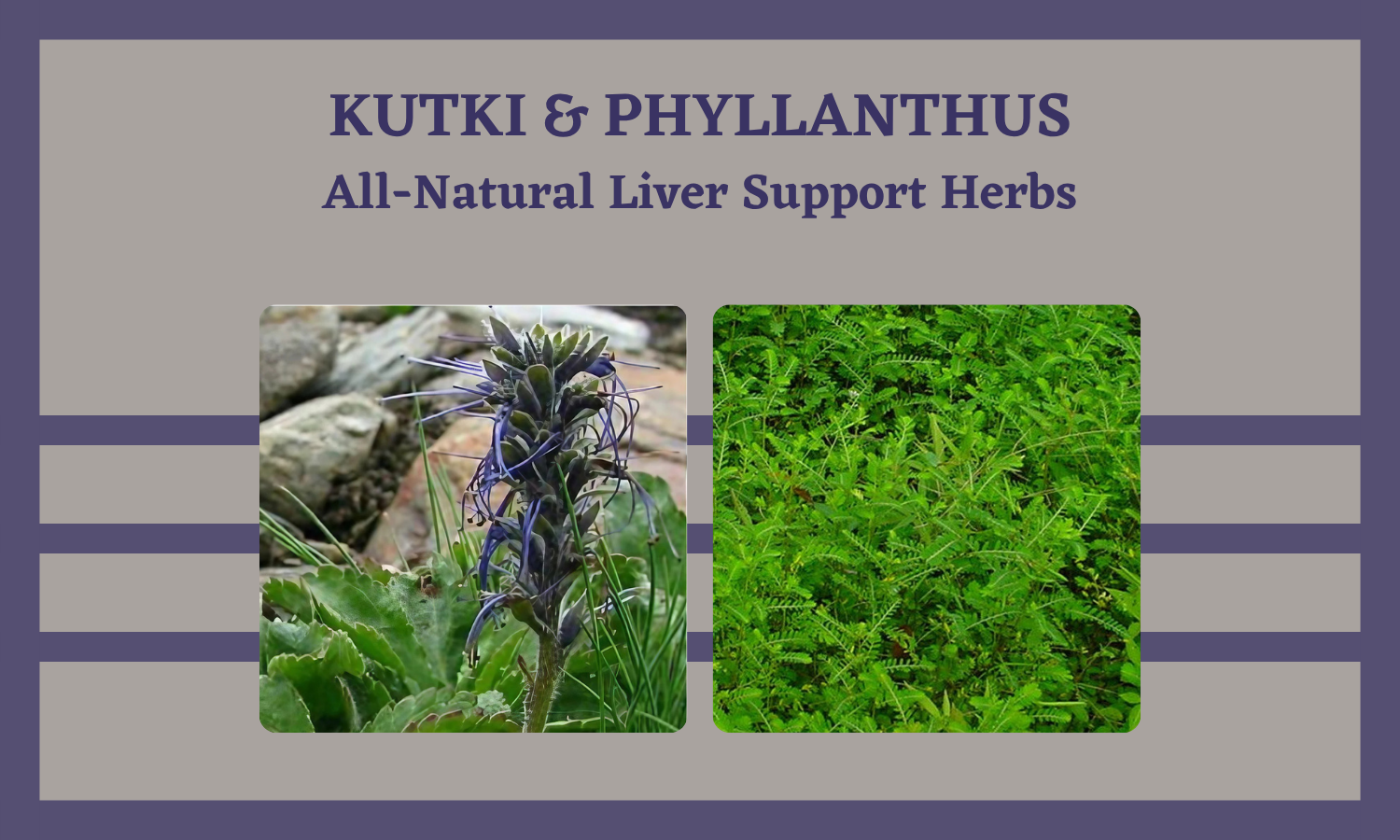
Herbal detox for liver health supports natural detoxification, bile flow, antioxidant defenses, and steady whole-body wellness daily. Search for herbal detox for liver and you’ll

All-natural, Mediterranean Cistus incanus (pink rock rose) makes an exceptionally healthy herbal tea. It’s our bestselling product. Pink rock rose, also known as Cistus incanus,