Searching for information on kidney stones symptoms men? Try Phyllanthus niruri / Chanca Piedra kidney stones support. It also supports liver, digestion, and immune health.
If you’re searching for kidney stones symptoms men, there’s a good chance you’re trying to make sense of sudden pain, urinary changes, or another symptom that feels difficult to ignore. Kidney stones can be extremely painful, and the symptoms can overlap with other urinary, abdominal, and musculoskeletal problems.
Men are more likely than women to develop kidney stones, although anyone can experience them. The stones form when certain substances in urine become concentrated enough to crystallize. Those crystals may remain small enough to pass without much trouble, or they may grow into larger stones that move through the urinary tract and cause significant discomfort.
Understanding the symptoms matters because kidney stones aren’t all the same. Their size, location, composition, and relationship to the urinary tract can all affect how they feel and what kind of care is needed.
This guide explains common kidney stone symptoms in men, what causes stones, when symptoms require medical attention, and how hydration, diet, lifestyle, and carefully selected botanicals such as Phyllanthus niruri, also known as Chanca Piedra or Stone Breaker, may support long-term kidney wellness.
Kidney Stones Symptoms Men Commonly Experience
The classic kidney stone symptom is pain, but the location and intensity can change as the stone moves.
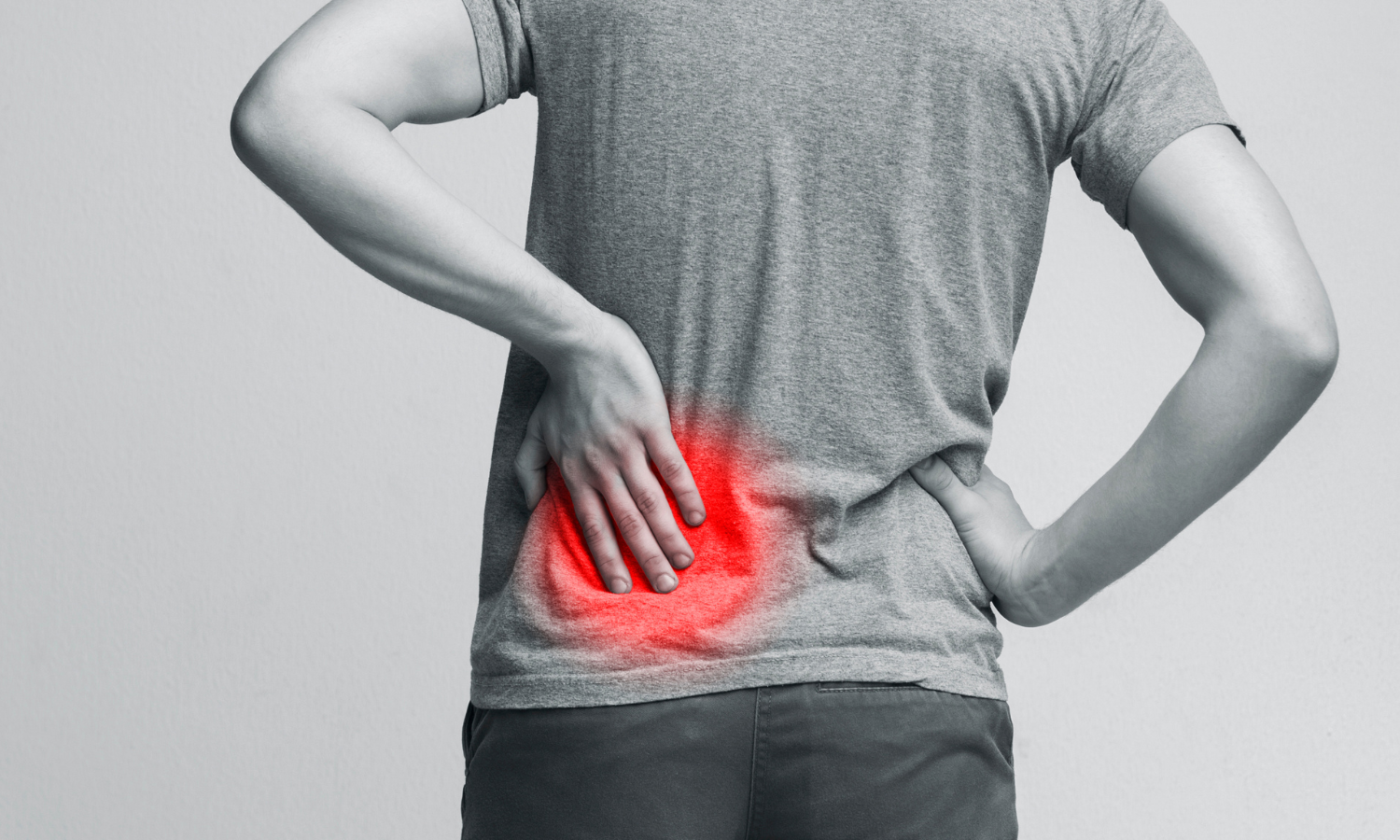
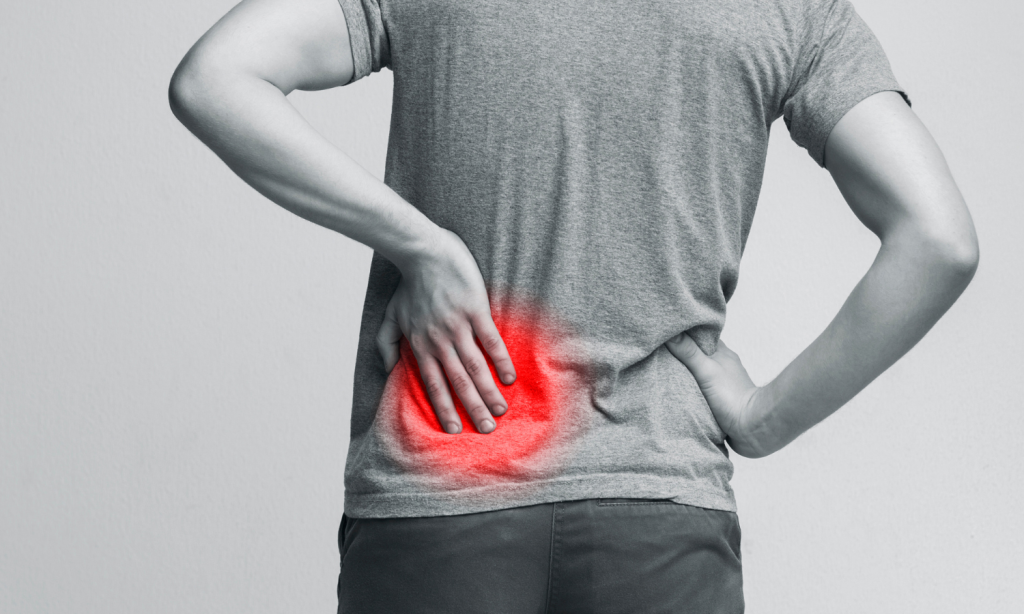
Many men first notice a severe ache or sharp pain in the side or back, usually below the ribs. The pain may then move toward the lower abdomen or groin as the stone travels through the ureter, the narrow tube connecting the kidney to the bladder.
Common symptoms include:
- Severe pain in the side or back
- Pain that moves toward the lower abdomen or groin
- Pain that comes in waves
- Blood in the urine
- Nausea
- Vomiting
- Frequent urge to urinate
- Pain or burning during urination
- Passing only small amounts of urine
- Cloudy or unusually strong-smelling urine
Not every person experiences every symptom. Some stones are discovered incidentally during imaging for another reason, while others create symptoms intense enough to send someone to the emergency room.
Why Kidney Stone Pain Can Be So Severe
Kidney stone pain is often described as one of the most intense forms of pain a person can experience. That pain doesn’t necessarily come from the stone cutting tissue as it moves. Much of the discomfort results from the urinary tract trying to move the obstruction forward.
The ureter contains smooth muscle. When a stone enters it, muscular contractions try to push the stone toward the bladder. If urine flow becomes partially blocked, pressure can build upstream.
This combination of muscular spasm, stretching, inflammation, and pressure can produce what is known as renal colic. Renal colic often feels different from an ordinary pulled muscle because the pain may:
- Begin suddenly
- Become extremely intense
- Rise and fall in waves
- Shift location as the stone moves
- Make it difficult to sit still or find a comfortable position
Someone with severe, unexplained flank pain shouldn’t assume it’s simply a kidney stone without appropriate evaluation.
Kidney Stones Symptoms Men May Feel in the Groin
One symptom that can be particularly confusing for men is pain that radiates into the groin or testicular area.
As a kidney stone travels farther down the ureter, pain can move from the side and back toward the lower abdomen, groin, or genitals. This happens because the nerves supplying these regions share overlapping pathways.
That means a urinary stone can sometimes create discomfort that feels as though it originates in the testicle even when the actual problem is higher in the urinary tract.
However, testicular pain can also be caused by conditions unrelated to kidney stones, including infection, injury, hernia, epididymitis, or testicular torsion. Sudden or severe testicular pain warrants prompt medical evaluation.
Blood in the Urine
Another important symptom is blood in the urine, medically known as hematuria.
The urine may appear:
- Pink
- Red
- Rust-colored
- Brownish
In other cases, the blood is microscopic and can only be detected through laboratory testing.
A stone moving through the urinary tract can irritate the lining and cause bleeding. But blood in the urine isn’t specific to kidney stones. It can also occur with infection, prostate problems, bladder conditions, kidney disease, or other causes.
Visible blood in the urine should be medically evaluated instead of automatically attributed to a stone.
Urinary Urgency and Frequency
As a kidney stone moves closer to the bladder, urinary symptoms may become more noticeable.
A man may feel as though he needs to urinate frequently even when the bladder isn’t full. He may also experience urgency, meaning the need to urinate feels sudden and difficult to postpone.
Some people notice discomfort or burning with urination, particularly when the stone is near the bladder or urethra. These symptoms can overlap with a urinary tract infection, prostatitis, or other urinary problems, so persistent urinary changes should be evaluated.
Nausea and Vomiting
Kidney stone pain can trigger nausea and vomiting. The urinary tract and digestive system share neurological pathways, which helps explain why intense renal colic can produce gastrointestinal symptoms.
For some people, nausea is mild. For others, vomiting can become significant enough to contribute to dehydration.
This matters because hydration is important for kidney and urinary function. Someone unable to keep fluids down may require medical treatment instead of trying to manage the situation at home.
Fever and Chills: A Warning Sign
Fever and chills in the presence of suspected kidney stone symptoms deserve particular attention.
A stone can obstruct urine flow. If infection is present behind that obstruction, bacteria may become trapped in a poorly draining urinary system. This can become a medical emergency.
Seek prompt medical care if kidney stone symptoms occur with:
- Fever
- Chills
- Significant weakness
- Confusion
- Persistent vomiting
- Difficulty urinating
Kidney stone pain alone can be miserable. Kidney stone pain plus infection can be dangerous.
Why Are Kidney Stones More Common in Men?
Historically, kidney stones have occurred more often in men than women, although the gender gap has narrowed over time.
Several factors may contribute. Men may have different dietary patterns, metabolic risk factors, urinary chemistry, hydration habits, or occupational exposures. Higher intake of sodium, animal protein, sugar-sweetened beverages, and processed foods can influence the urinary environment in people who are susceptible to stones.
Body weight, insulin resistance, gout, certain medications, family history, digestive disorders, and dehydration can also increase risk. Genetics matter too. If close family members have experienced kidney stones, your own likelihood may be higher.
The important point is that kidney stones rarely have one universal cause. Prevention should be individualized whenever possible.
What Causes Kidney Stones?
A kidney stone begins when urine becomes supersaturated with particular substances.
Under normal circumstances, minerals and other compounds remain dissolved in urine. When concentrations rise sufficiently, crystals can form. Those crystals may remain tiny or gradually grow and aggregate.
Knowing the type of stone can help guide prevention strategies.
Calcium Oxalate Stones: These are the most common. Calcium combines with oxalate to form crystals. Risk is influenced by urine volume, sodium intake, calcium balance, oxalate exposure, citrate levels, and other metabolic factors.
Calcium Phosphate Stones: These are also calcium-based but have different chemical properties and may be associated with particular urinary pH patterns or medical conditions.
Uric Acid Stones: Uric acid stones are more likely to form in persistently acidic urine and can be associated with gout, metabolic syndrome, certain dietary patterns, or high uric acid production.
Struvite Stones: These can develop in association with certain urinary tract infections.
Cystine Stones: These are uncommon and typically occur in people with an inherited condition called cystinuria.
Dehydration and Kidney Stone Risk
Low urine volume is one of the most important kidney stone risk factors.
When you don’t drink enough fluid, the substances dissolved in urine become more concentrated. That increases the likelihood that some minerals will reach concentrations favorable to crystallization.
This is especially relevant for men who:
- Work outdoors
- Exercise heavily
- Live at high altitude
- Spend long hours in hot environments
- Travel frequently
- Simply forget to drink water during the day
The solution isn’t periodically drinking an enormous quantity of water. Consistent hydration is generally more useful than trying to “flush” the kidneys all at once.
Sodium and Kidney Stones
A high-sodium diet can increase urinary calcium excretion in some people. That’s one reason kidney-stone prevention recommendations often include moderating sodium intake, particularly for people prone to calcium-containing stones.
Processed foods can contribute substantial sodium even when the food doesn’t taste overwhelmingly salty. Reading labels and eating more minimally processed foods can make a meaningful difference.
Oxalates and Kidney Stones
Oxalate occurs naturally in many plant foods. Foods relatively high in oxalate can include spinach, rhubarb, beets, almonds, and certain other foods.
This doesn’t mean everyone prone to kidney stones should avoid every oxalate-containing food. Risk depends on stone type, overall diet, calcium intake, hydration, urinary chemistry, and individual susceptibility.
For recurrent stones, personalized testing can be much more useful than simply eliminating a long list of healthy foods.
When Kidney Stones Symptoms Men Experience Require Medical Care
Some small kidney stones may pass without an invasive procedure, but severe or complicated stones need appropriate treatment.
Seek prompt medical care for:
- Severe pain that can’t be controlled
- Fever or chills
- Persistent vomiting
- Difficulty or inability to urinate
- Significant blood in the urine
- Severe weakness
- Symptoms of dehydration
- Pain accompanied by confusion
- Known kidney disease with new urinary symptoms
If this is the first episode of severe flank pain, medical evaluation can also help confirm whether a kidney stone is actually the cause. Other conditions can mimic stone symptoms.
How Kidney Stones Are Diagnosed
Medical evaluation may involve several tools. A clinician may review symptoms and medical history, perform a physical examination, order blood and urine tests, and use imaging.
CT scanning is often used because it can identify many stones and show their size and location. Ultrasound may also be used, particularly when radiation exposure is a concern.
Urinalysis can help identify blood, infection, crystals, or abnormalities in urinary chemistry.
If stones are recurrent, more detailed testing may be recommended to determine why they are forming. This can include analysis of a passed stone or 24-hour urine testing.
How Kidney Stones Are Treated
Treatment depends on stone size, location, symptoms, composition, and whether complications are present.
Small stones may pass naturally with appropriate hydration, pain management, and observation. In some cases, medications are used to relax parts of the urinary tract and make passage easier.
Larger or obstructing stones may require procedures such as:
- Shock wave lithotripsy
- Ureteroscopy
- Laser fragmentation
- Percutaneous nephrolithotomy
Antibiotics may be needed when infection is present. To be clear, herbs shouldn’t be used as substitutes for procedures required to relieve urinary obstruction or treat infection.
Phyllanthus niruri: The Traditional “Stone Breaker” from the Amazon
This is where one of our favorite herbs enters the conversation.
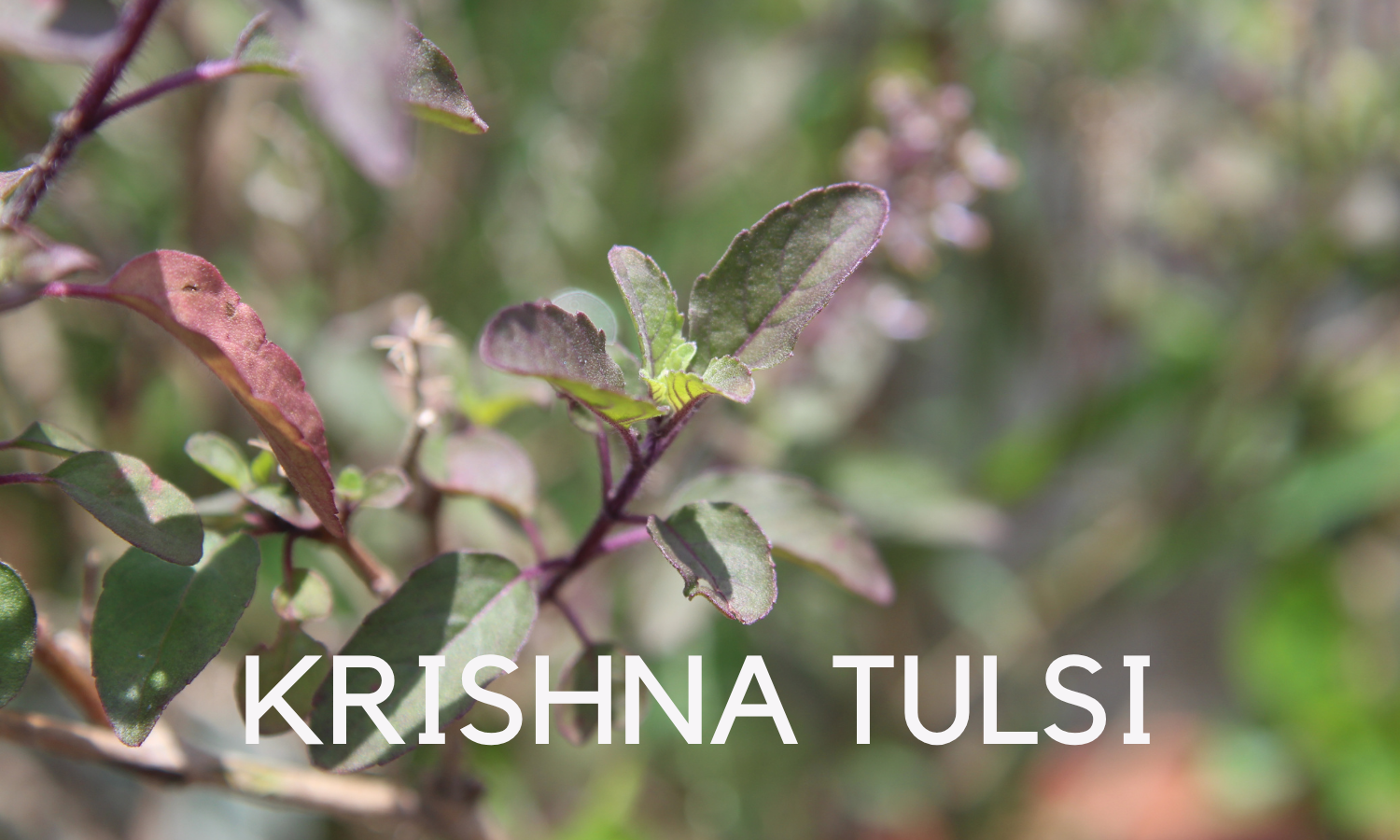
Phyllanthus niruri, commonly called Chanca Piedra or Stone Breaker, has a long history of traditional use for kidney and urinary wellness.
The name itself speaks to that history. “Chanca Piedra” is generally translated from Spanish as “Stone Breaker.” For generations, people in South America and elsewhere have consumed preparations of Phyllanthus for urinary stones and related concerns.
Modern researchers have become interested in whether there are biological explanations behind that traditional reputation. Several studies suggest a variety of mechanisms that may explain this reputation.
Phyllanthus niruri Kidney Health Support
Research suggests Phyllanthus may influence several processes related to urinary stone development. Instead of imagining the herb physically smashing a stone apart, a more useful model involves the urinary environment itself.
Research has explored whether Phyllanthus may:
- Influence calcium oxalate crystallization
- Reduce crystal aggregation
- Affect crystal growth
- Alter the way crystals interact with urinary tract tissues
- Support urinary chemistry less favorable to stone development
This helps explain how a plant could earn the nickname Stone Breaker without literally functioning like a hammer inside the kidney.
Human research remains limited, and individual outcomes vary. Phyllanthus should therefore be considered supportive rather than curative.
Phyllanthus niruri Beyond Kidney Stones
The kidney-stone reputation sometimes overshadows the broader health profile of Phyllanthus.
The plant contains more than 100 identified bioactive compounds and has attracted research interest for:
- Liver health
- Antioxidant protection
- Healthy inflammatory balance
- Digestive wellness
- Immune support
- Biliary function
That broader support matters because kidney health isn’t isolated from the rest of the body. The liver, kidneys, digestive tract, cardiovascular system, and metabolic system all influence one another.
This is one reason Phyllanthus is such a foundational botanical for Linden Botanicals.
Phyllanthus niruri and Liver Support
The liver and kidneys have different jobs, but they work together as part of the body’s processing and elimination systems.
The liver metabolizes many substances and helps prepare them for eventual elimination. The kidneys then filter circulating blood and remove many water-soluble wastes and metabolites.
Phyllanthus has been studied for hepatoprotective and antioxidant properties in addition to its kidney-related effects. That gives the plant an unusually broad profile for people interested in supporting both liver and kidney wellness.
Why Our Phyllanthus niruri Comes from the Amazon
Botanical identity and origin matter. Several related Phyllanthus species can look alike, and the common name Chanca Piedra may be applied loosely in the marketplace.
At Linden Botanicals, we specifically source Phyllanthus niruri from the Amazon region of Peru.
We think geography matters because medicinal plants are shaped by their environment. Soil, rainfall, humidity, sunlight, temperature, elevation, harvest timing, surrounding microorganisms, and other variables influence the compounds a plant produces.
This concept is known as terroir.
We want authentic Phyllanthus niruri grown in the kind of environment where the plant has a long ecological and traditional history.
Species accuracy is the starting point. Terroir helps determine what comes next.
Phyllanthus niruri Is the Herb That Started Linden Botanicals
Phyllanthus isn’t simply another herb we decided to add to a product catalog. It’s the plant that helped inspire Linden Botanicals.
Michael Van der Linden began drinking Phyllanthus niruri years ago while navigating his own health challenges. His experience with the plant led to deeper research into herbal medicine, sourcing, phytochemistry, and traditional knowledge.
That research ultimately helped shape the company.
Members of our team still drink Phyllanthus regularly today. The looseleaf tea has a mild, earthy, green flavor that’s surprisingly easy to enjoy every day.
That matters because long-term wellness practices need to fit into real life.
Linden Botanicals offers Phyllanthus niruri as both a looseleaf herbal tea and powdered herbal extract.
Looseleaf Herbal Tea
The tea is particularly well suited to kidney wellness because you’re combining botanical support with fluid intake.
It can become part of a regular morning or afternoon routine and is mild enough to drink consistently.
Herbal Extract
The powdered extract offers convenience when brewing tea isn’t practical.
It can be useful during travel or for people who prefer concentrated botanical preparations.
Follow Linden Botanicals usage instructions instead of assuming that larger quantities will produce better results.
Explore the Kidney Health Wellness Pathway
Kidney health involves much more than responding to a stone after it forms. That’s why Linden Botanicals created the Kidney Health Wellness Pathway, an educational framework designed to help people think more broadly about healthy filtration, urinary wellness, hydration, kidney resilience, and natural botanical support.
Phyllanthus niruri sits at the center of that pathway because few herbs have such a strong combination of traditional kidney use and modern scientific interest. The pathway also connects herbal support with the habits that influence kidney health every day, including hydration, nutrition, metabolic health, and appropriate medical care.
Instead of promising a single solution to every urinary concern, the Kidney Health Wellness Pathway helps you understand your options and choose support that makes sense for your individual wellness goals.
Preventing Kidney Stones: Think Long Term
If you’ve had one kidney stone, prevention becomes especially important because recurrence is common.
The right strategy depends partly on the stone type and your individual urinary chemistry, but several habits are broadly useful.
Drink Enough Fluid
Consistent hydration helps maintain urine volume and dilute stone-forming substances.
Moderate Sodium
Reducing excessive sodium intake can be particularly useful for some people prone to calcium stones.
Eat a Balanced Diet
Extreme dietary restriction is rarely necessary without a specific reason.
Maintain Healthy Metabolic Function
High blood pressure, insulin resistance, obesity, gout, and other metabolic factors can affect kidney-stone risk.
Stay Active
Exercise supports circulation, blood pressure, insulin sensitivity, and healthy body composition.
Follow Personalized Recommendations
If you repeatedly form stones, individualized guidance based on stone analysis and urine testing is considerably more useful than generic advice.
Kidney Stones Symptoms Men Shouldn’t Ignore
It bears repeating that not every urinary symptom should be managed as a home-care issue.
Seek medical attention for:
- Severe or escalating pain
- Fever
- Chills
- Vomiting that prevents hydration
- Inability to urinate
- Significant blood in the urine
- Confusion
- Symptoms accompanied by severe weakness
A blocked and infected urinary tract can become dangerous quickly. Herbal support isn’t the right tool for an emergency.
Frequently Asked Questions About Kidney Stones Symptoms Men
What are the first kidney stones symptoms men usually notice?
Many men first experience pain in the side or back below the ribs. The pain may later move into the lower abdomen or groin.
Other symptoms may include nausea, vomiting, blood in the urine, urinary urgency, and painful urination.
Where do men feel kidney stone pain?
Pain commonly begins in the flank or back and may move toward the abdomen, groin, or testicle as the stone travels down the ureter.
Can kidney stone pain come and go?
Yes. Kidney stone pain often occurs in waves because the ureter contracts as it tries to move the stone. The intensity can change as the stone shifts position.
Does Calcium Cause Kidney Stones?
This is a common source of confusion. Because many stones contain calcium, people sometimes assume they should dramatically restrict dietary calcium. That can be counterproductive.
Calcium in food can bind oxalate in the digestive tract, reducing the amount of oxalate absorbed into the bloodstream and later excreted in urine.
Some people do need individualized guidance about calcium intake or supplements, but eliminating calcium-rich foods without a medical reason isn’t necessarily a good prevention strategy.
Can kidney stones cause testicular pain?
Yes. Pain from a stone moving through the ureter can radiate into the groin or testicle because of shared nerve pathways. However, sudden testicular pain can also indicate other urgent conditions and should be evaluated.
Can kidney stones cause blood in urine?
Yes. Stones can irritate urinary tract tissues and cause visible or microscopic blood in the urine. Blood in the urine has many possible causes, so it shouldn’t automatically be assumed to come from a kidney stone.
Do kidney stones cause nausea?
They can. Severe renal colic often triggers nausea and sometimes vomiting.
Is fever normal with kidney stones?
Fever isn’t something to dismiss as an ordinary kidney-stone symptom. Fever or chills may indicate infection, particularly when urine flow is obstructed. Seek prompt medical attention.
Can a kidney stone pass on its own?
Some small stones can pass naturally. The likelihood depends on size, shape, and location. Larger stones or those causing complications may require medical procedures.
What is Chanca Piedra?
Chanca Piedra is a common name for Phyllanthus niruri and is often translated as “Stone Breaker.” The herb has a long traditional association with kidney stones and urinary health.
Does Phyllanthus niruri dissolve kidney stones?
It’s more accurate to say that research suggests Phyllanthus may influence processes involved in certain kinds of stone formation and crystal aggregation.
Can men drink Phyllanthus niruri tea every day?
Many people use Phyllanthus as a regular herbal tea, and Linden Botanicals team members drink it routinely. Follow the product’s usage guidance and discuss supplements with a healthcare professional when medical conditions or medications are involved.
What should men drink to help prevent kidney stones?
Water is foundational. Adequate fluid intake helps maintain urine volume and dilute substances involved in stone formation. The exact amount needed varies by person, activity level, climate, and medical history.
Are kidney stones more common in men?
Historically, kidney stones have been more common in men, although rates among women have increased and the difference has narrowed.
What is the Kidney Health Wellness Pathway?
The Linden Botanicals Kidney Health Wellness Pathway combines education about healthy kidney and urinary function with thoughtfully selected botanical support, particularly Phyllanthus niruri.
It’s designed to help people move beyond crisis management and think proactively about long-term kidney wellness.
Kidney Stones Symptoms Men: Know the Signs, Then Think Beyond the Stone
Kidney stones have an unfortunate ability to make themselves impossible to ignore.
For many men, the experience begins with sudden flank pain and quickly becomes a lesson in just how sensitive the urinary system can be. Pain may move toward the groin. Nausea can develop. Urinary urgency or blood in the urine may appear.
Recognizing these kidney stones symptoms men experience is important because severe pain, obstruction, or infection may require prompt medical care.
But once the immediate problem has passed, another question becomes more useful: How can I support my kidneys going forward?
That’s where hydration, nutrition, metabolic health, and careful botanical support come into the picture.
Phyllanthus niruri has earned its centuries-old reputation as Stone Breaker because generations of traditional use have connected it to kidney and urinary wellness, while modern research continues to investigate how it may influence urinary crystals and stone formation.
For Linden Botanicals, however, Phyllanthus is even more than that. It’s a liver-support herb. An antioxidant herb. A digestive-support herb. A pleasant daily tea. And the plant that helped start our company.
If you’ve experienced kidney stones, the goal shouldn’t simply be to forget about your kidneys once the pain stops. Use the experience as motivation to understand them better.
The Kidney Health Wellness Pathway is a good place to begin.
Try Chanca Piedra Kidney Stones Support Today
Chanca Piedra herbal tea and herbal extract are gaining popularity among herbalists and professional medical practitioners due to their wide range of health benefits. Chanca Piedra looseleaf herbal tea should come from the Peruvian Amazon. If it’s from China, India, or some other part of the world, it’s not Chanca Piedra, and it won’t have all the health benefits of Chanca Piedra.
Our Chanca Piedra FAQ page has lots more information about its many health benefits, including Lyme disease support, kidney stone support, immune system support, ways to find a trusted supplier, and much more.
Buy Chanca Piedra