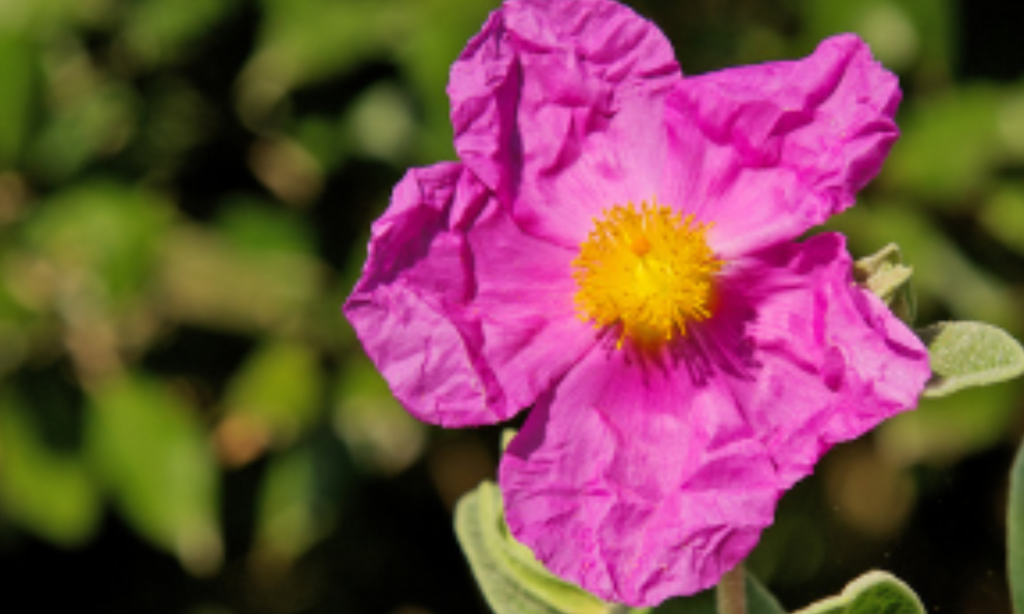
Cistus rock rose tea provides polyphenol-rich antioxidant, immune, microbial, skin, and healthy aging support from the Mediterranean.
If you’re looking for an herbal tea that offers much more than a pleasant daily ritual, Cistus rock rose tea deserves a closer look. Also known as Cistus incanus, Rock Rose is a hardy Mediterranean plant with a long history of traditional use and a growing body of scientific research focused on its polyphenols, antioxidant activity, immune support, antimicrobial properties, oral health benefits, and healthy-aging potential.
At Linden Botanicals, Cistus incanus is one of the herbs we return to again and again because it supports several important systems at once. It isn’t a stimulant, a quick fix, or an aggressive cleanse. Instead, it’s a deeply traditional, polyphenol-rich botanical that fits naturally into a long-term wellness routine.
That broader role is also why Cistus incanus is featured in our Healthy Aging Wellness Pathway alongside Cistanche, Rosa rugosa, Paeonia lactiflora, Muña, and Haritaki.
Cistus incanus is also an important botanical in our Immune Resilience Wellness Pathway, which focuses on supporting a healthy, balanced immune response, respiratory wellness, and the body’s natural defenses.
Healthy aging depends on much more than one organ or one symptom. Antioxidant protection, immune resilience, cognition, circulation, digestion, mobility, and inflammatory balance all matter, and Cistus incanus contributes meaningfully to that larger picture.
The connection between our Healthy Aging and Immune Resilience Wellness Pathways reflects an important principle: immune health isn’t just a seasonal concern. It’s an essential part of maintaining whole-body wellness throughout life.
What Is Cistus Rock Rose Tea?
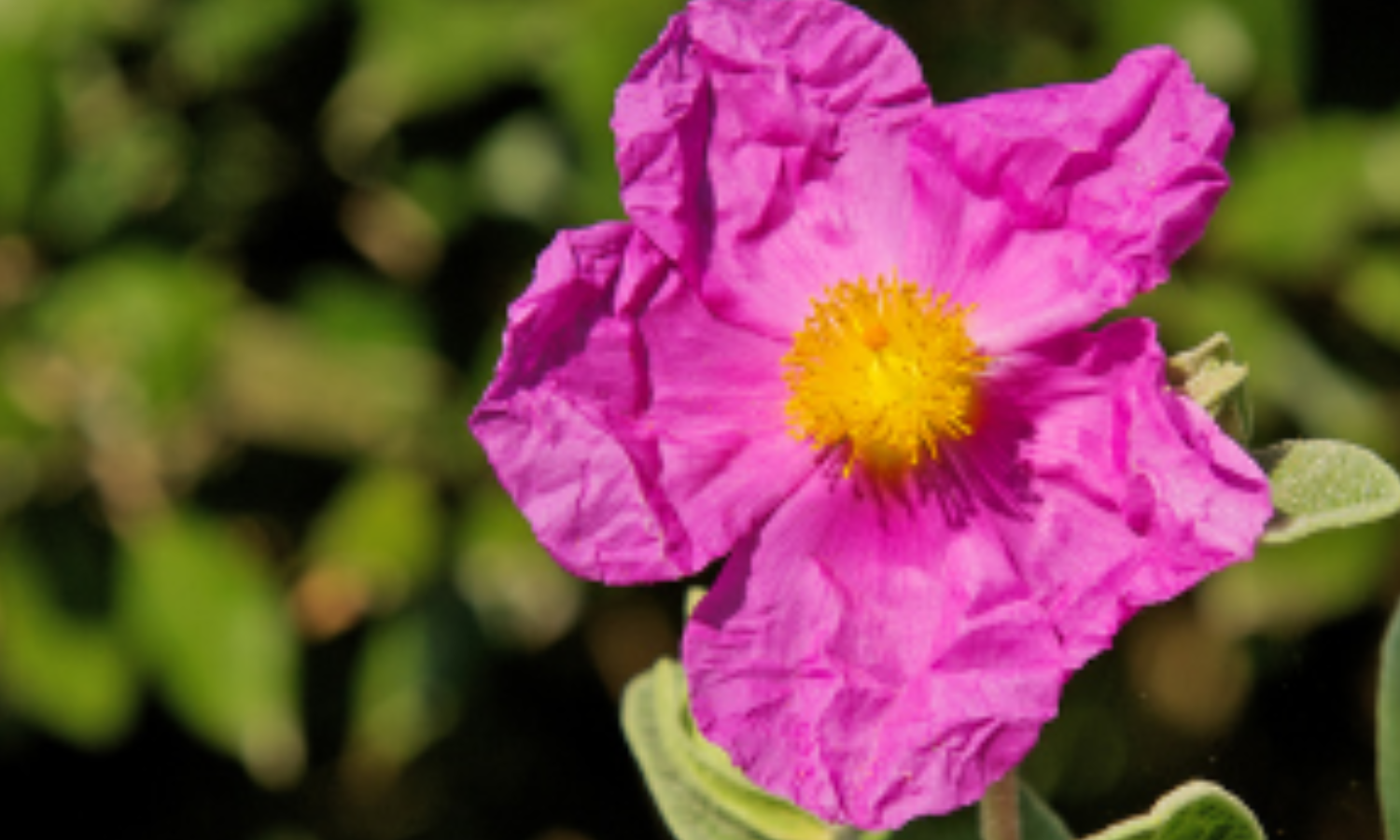
Cistus rock rose tea is made from the aerial parts of the Cistus plant, a flowering shrub native to the Mediterranean region. The plant is known for delicate pink flowers, aromatic foliage, and an ability to thrive under conditions that would challenge many other species.
Hot summers, intense sunlight, limited rainfall, rocky soils, and seasonal stress all influence the way Cistus incanus grows. In response, the plant produces a rich collection of secondary compounds, especially polyphenols.
These naturally occurring constituents help protect the plant from oxidative stress, environmental damage, microbes, and other threats. When consumed by people, many of the same compounds contribute to the antioxidant and immune-supporting properties that make Cistus rock rose tea so interesting.
The finished tea is caffeine-free and generally mild, earthy, slightly floral, and pleasantly tannic. That makes it easy to drink regularly, which is one of its greatest practical advantages.
Why Cistus Rock Rose Tea Is So Rich in Polyphenols
Polyphenols are a large family of plant compounds with antioxidant activity. They occur in foods and herbs such as berries, grapes, green tea, cocoa, olives, and many medicinal plants.
Cistus incanus is especially notable because of the diversity of its phenolic compounds.
Research into Cistus incanus has identified constituents such as flavonoids, phenolic acids, ellagitannins, flavonol glycosides, and related phytochemicals. These compounds help explain many of the plant’s traditional uses and modern research findings.
Antioxidants matter because normal metabolism creates reactive molecules known as free radicals. In appropriate amounts, these molecules participate in useful cellular signaling. Problems arise when oxidative stress becomes excessive and begins damaging proteins, lipids, DNA, and cellular structures.
A polyphenol-rich diet helps support the body’s antioxidant defenses, and Cistus rock rose tea can be one part of that strategy.
Cistus Rock Rose Tea and Healthy Aging
Aging is often discussed as though it were one process, but biologically it involves many overlapping changes.
Over time, the body may experience:
- Greater oxidative stress
- Changes in inflammatory signaling
- Reduced mitochondrial efficiency
- Declining immune resilience
- Slower tissue repair
- Changes in circulation
- Cognitive shifts
- Reduced connective-tissue elasticity
- Changes in digestion and microbial balance
No herb can stop these processes entirely, and healthy aging shouldn’t be framed as “fighting age.” A better goal is to support the systems that help the body remain resilient, active, clear, and adaptable.
Cistus rock rose tea fits especially well into a healthy-aging routine because it provides broad antioxidant and immune support without stimulation. Its polyphenols help protect cells from oxidative damage while also supporting a healthy inflammatory response.
That’s why Cistus incanus is included in Linden Botanicals’ Healthy Aging Wellness Pathway. Within that pathway, Cistus incanus contributes cellular protection and immune resilience, while the other featured botanicals provide complementary support for energy, cognition, circulation, joints, digestion, and long-term vitality.
Explore the Healthy Aging Wellness Pathway
The Healthy Aging Wellness Pathway brings together six botanicals that approach aging from different directions:
- Cistus incanus for polyphenols, immune resilience, and antioxidant protection
- Cistanche tubulosa for mitochondrial energy, endurance, cognition, and vitality
- Rosa rugosa for vitamin C, collagen support, antioxidant protection, and immune health
- Paeonia lactiflora for circulation, inflammatory balance, nervous-system support, and comfort
- Muña for digestion, respiratory wellness, and everyday vitality
- Haritaki for digestion, joints, cognition, antioxidant protection, and metabolic support
The idea is simple: healthy aging is multidimensional, so botanical support should be as well.
Cistus incanus plays an important role because oxidative stress and immune resilience influence nearly every other aspect of aging. Protecting cells and supporting immune balance creates a strong foundation for the other herbs in the pathway to complement.
Cistus Rock Rose Tea and Immune Support
One of the most common reasons people drink Cistus rock rose tea is immune wellness. The immune system needs balance, not simply maximum stimulation. A healthy response recognizes threats, responds appropriately, regulates inflammation, and eventually returns to baseline.
Cistus incanus contains polyphenols and other compounds that have been studied for their interactions with viruses, bacteria, fungi, and immune-related processes. That makes it especially appealing during fall and winter, but its usefulness extends year-round.
Many people enjoy Cistus incanus as a regular wellness tea because it combines immune support with antioxidant protection in a form that’s easy to incorporate into daily life.
What Research Says About Cistus incanus and Respiratory Wellness
Cistus incanus has been studied in relation to upper-respiratory symptoms.
Human clinical research has examined polyphenol-rich Cistus incanus preparations in people experiencing upper-respiratory infections. Some studies reported greater symptom improvement in participants receiving Cistus incanus preparations compared with control groups.
These findings are encouraging, but they should be interpreted carefully. They do not establish ordinary Cistus rock rose tea as a cure for influenza, COVID-19, or another viral illness.
What they do show is that the plant’s traditional respiratory-health reputation has enough scientific basis to warrant continued research. That’s an important distinction and one we think consumers deserve to understand.
Antiviral Research on Cistus Rock Rose Tea
Laboratory research has also explored the interaction between Cistus incanus polyphenols and viruses. In experimental settings, incanus -derived polyphenol preparations have been studied for their ability to interfere with the attachment of certain enveloped viruses to host cells.
That mechanism is interesting because attachment is one of the earliest steps in the viral infection process. Again, laboratory evidence isn’t the same as clinical proof in humans. But it helps explain why Cistus has drawn so much attention from researchers interested in natural antiviral compounds.
Antibacterial Properties of Cistus incanus
Cistus rock rose tea has also been studied for antibacterial activity.
Its polyphenols and other constituents appear to influence bacterial growth and attachment in laboratory settings. The strength of these effects varies by organism and preparation, which is one reason it’s important to avoid blanket claims that Cistus incanus “kills bacteria.”
A more accurate description is that Cistus incanus contains compounds with measurable antimicrobial activity and may support microbial balance in several body systems.
This is relevant to oral health, digestive wellness, and the broader immune picture.
Cistus Rock Rose Tea and Biofilms
Biofilms are organized communities of microorganisms surrounded by a protective matrix. Dental plaque is one of the most familiar examples.
Researchers have become increasingly interested in biofilms because microbes living within them can behave differently from free-floating organisms and may be harder for immune defenses or antimicrobial agents to reach.
Studies involving Cistus incanus have explored its potential to reduce bacterial adhesion and interfere with early biofilm development.
This is especially relevant to oral health and is one reason people sometimes use cooled Cistus incanus herbal tea as an herbal mouth rinse in addition to drinking it.
Biofilm-related research is also one reason Cistus incanus has attracted interest among people exploring complementary support for chronic microbial challenges.
Explore the Immune Resilience Wellness Pathway
A healthy immune system doesn’t need to be constantly stimulated or “boosted.” It needs to recognize potential threats, respond appropriately, regulate inflammation, and return to balance when a challenge has passed.
That’s the philosophy behind Linden Botanicals’ Immune Resilience Wellness Pathway. Rather than promising to prevent illness or supercharge immunity, the pathway emphasizes long-term immune health, respiratory wellness, antioxidant protection, and the body’s natural resilience.
Cistus incanus plays an important role because of its exceptionally rich polyphenol profile and growing body of research into antioxidant, antimicrobial, and immune-related activity. Its traditional use for respiratory wellness and the clinical research involving certain Cistus incanus preparations make it particularly interesting for people seeking botanical immune support.
Cistus incanus is also one of the featured ingredients in our ShieldsUp! Immune Support Kits, which bring together Cistus incanus, Phyllanthus niruri, Rosa rugosa, Agarikon, Torilis japonica, and L-lysine. These ingredients have different traditional uses and research profiles, offering complementary approaches to immune and respiratory wellness.
The Immune Resilience Wellness Pathway also recognizes that botanical support works best within a broader foundation of healthy habits. Adequate sleep, balanced nutrition, regular physical activity, stress management, and appropriate preventive healthcare all contribute to immune health.
Cistus rock rose tea can be one enjoyable part of that larger strategy, providing a naturally caffeine-free source of polyphenols that fits comfortably into an everyday wellness routine.
Cistus Rock Rose Tea and Lyme Disease Support
Cistus incanus has become increasingly well known within the Lyme disease community.
Lyme disease is caused primarily in North America by Borrelia burgdorferi and is transmitted through infected blacklegged ticks. Antibiotics remain the standard treatment for Lyme disease, especially when infection is identified early.
Some people managing persistent symptoms also explore botanicals as complementary support. Cistus incanus is interesting in this context because of its antioxidant, immune-supporting, antimicrobial, and biofilm-related properties.
Laboratory research has evaluated Cistus incanus against Borrelia burgdorferi, and it has demonstrated activity in some experimental settings. That research shouldn’t be confused with proof that drinking Cistus incanus herbal tea cures Lyme disease.
At Linden Botanicals, Cistus incanus is one of three herbs in our Persister Desister Lyme Disease Support Kits, alongside Cryptolepis sanguinolenta and Phyllanthus niruri.
Each herb contributes something different:
- Cryptolepis for antimicrobial and persister-cell support
- Cistus incanus for polyphenol, antioxidant, immune, and biofilm-related support
- Phyllanthus for liver, kidney, antioxidant, and elimination support
The goal is coordinated support, not replacement of medical care.
Cistus Rock Rose Tea and Oral Health
The mouth contains a complex microbiome, and maintaining oral wellness involves balance, not just eliminating all bacteria. Cistus incanus may support oral health by reducing bacterial adhesion to tooth surfaces and providing antioxidant and astringent support.
Some people use cooled Cistus incanus herbal tea as a rinse after brushing and flossing. Its mild tannins and polyphenols make it particularly well suited to this kind of use.
Of course, Cistus incanus should complement brushing, flossing, dental cleanings, and professional care. Still, the oral-health research gives us another example of how versatile this plant can be.
Cistus Rock Rose Tea and Skin Health
Cistus incanus also has a long traditional association with skin wellness. Skin is constantly exposed to sunlight, environmental pollutants, inflammation, and oxidative stress. Over time, these factors can contribute to changes in texture, elasticity, pigmentation, and overall resilience.
The polyphenols in Cistus incanus help support antioxidant defenses and healthy inflammatory balance, which may contribute indirectly to skin wellness.
Some people also use Cistus incanus externally as a rinse or compress, although topical use should be approached thoughtfully, especially when skin is broken or inflamed.
Cistus incanus isn’t a cure for eczema, psoriasis, acne, or another diagnosed skin condition. Those problems can have complex causes and may require medical treatment. Cistus incanus is a polyphenol-rich botanical that supports skin from the inside through antioxidant and inflammatory balance.
Cistus Rock Rose Tea and Digestive Wellness
Cistus incanus has also been used traditionally for digestive concerns. Its tannins contribute a mild astringent quality, while its antimicrobial and antioxidant properties make it an interesting botanical for supporting the gastrointestinal environment.
The gut is more than a digestive tube. It contains a complex microbiome and interacts closely with the immune system, nervous system, and metabolic processes.
While more human research is needed to understand exactly how Cistus incanus affects the gut microbiome, its traditional use and phytochemical profile make digestive wellness another important part of its broader health story.
Is Cistus Rock Rose Tea a Natural Insect Repellent?
This is one of the most unusual and popular modern uses of Cistus incanus. Some regular Cistus incanus drinkers report fewer mosquito and tick bites. Traditional observations involving animals in Mediterranean Cistus-growing regions have contributed to this reputation.
The idea is that regular internal use may alter the host’s scent or skin chemistry in ways that make it less attractive to some biting insects.
Of course, this isn’t the same as applying a topical repellent. There hasn’t been a large, double-blind, placebo-controlled human study demonstrating that drinking Cistus rock rose tea reliably prevents tick or mosquito bites. So Cistus incanus should be viewed as an additional layer of support, not guaranteed protection.
People in tick-prone areas should continue using appropriate clothing, tick checks, environmental controls, and proven repellents when needed.
Cistus incanus for Dogs
Interest in Cistus incanus has also grown among dog owners. Cistus incanus can be used with dogs as brewed and cooled tea or as loose plant material mixed into food. People generally use body weight as the usage index rather than giving the same amount to every dog.
Like human use, this isn’t an instant repellent. Based on observational experience, several days of consistent use may be needed before people notice a difference.
Cistus incanus should be considered an adjuvant instead of a replacement for veterinarian-recommended tick, flea, or mosquito protection.
Why Cistus Rock Rose Tea Works in Summer and Winter
Cistus incanus is one of the rare herbs that has an obvious seasonal role in both summer and winter.
In summer, people often become interested in Cistus incanus because of tick and mosquito support. In winter, immune and respiratory wellness become more important.
Yet the core benefits remain the same throughout the year:
- Antioxidant protection
- Immune resilience
- Microbial balance
- Healthy inflammatory response
- Oral-health support
- General cellular wellness
That makes Cistus incanus an easy herb to keep in regular rotation. It’s useful in both the summer and the winter.
Its role in the Immune Resilience Wellness Pathway reinforces this year-round perspective. Immune resilience isn’t something we need only during cold and flu season. Our immune systems work continuously, and supporting normal immune function, antioxidant defenses, and healthy inflammatory balance is relevant in every season.
Why Terroir Matters for Cistus Rock Rose Tea
At Linden Botanicals, we talk frequently about terroir because medicinal plants are shaped by where they grow.
Terroir includes:
- Soil
- Rainfall
- Sun exposure
- Temperature
- Elevation
- Microbial relationships
- Seasonal stress
- Harvest timing
These variables influence the secondary compounds a plant produces.
Cistus incanus is particularly well adapted to the Mediterranean environment. Hot, dry conditions and intense sunlight help shape the plant’s polyphenol-rich chemistry. That’s why we strongly prefer Mediterranean Cistus incanus grown under natural conditions.
Why Linden Botanicals Sources Cistus incanus from Crete
Linden Botanicals sources Cistus incanus from Crete, one of the plant’s ancestral Mediterranean homes. Crete offers exactly the kind of environment in which Cistus evolved to thrive: intense sun, dry summers, rocky terrain, and a long growing tradition.
Our Cistus incanus is wild grown and responsibly collected rather than being pushed through intensive greenhouse production.
We also care about harvest timing and plant parts. The aerial portions of the plant, including leaves, buds, flowers, and tender stems, contribute different phytochemicals.
For us, sourcing is about preserving the qualities that make the plant valuable in the first place.
Not All Rock Rose Is the Same
The Cistus genus includes multiple species and natural hybrids. Products may be marketed as Rock Rose even when they contain different species or blends.
That means consumers should ask:
- What species is this?
- Where was it grown?
- Was it wild grown or cultivated?
- When was it harvested?
- Which plant parts are included?
- How was it dried and processed?
- Has it been tested?
Common names are useful, but they aren’t enough. Botanical accuracy matters.
How to Brew Cistus Rock Rose Tea
Brewing matters because preparation affects extraction. Cistus incanus polyphenols can interact with minerals in water and precipitate out of solution, a phenomenon sometimes called tea creaming. That means water quality can influence the finished infusion.
Linden Botanicals generally recommends using distilled or appropriately filtered low-mineral water when practical.
A French press works especially well because it gives the plant material plenty of room to circulate in the water and makes it easy to prepare multiple servings at once.
For Linden Botanicals Cistus incanus, a useful approach is to brew approximately 13 grams of looseleaf material in one liter of near-boiling water and allow an extended steep before pressing. This creates a full-bodied infusion that can be enjoyed warm or chilled.
What Does Cistus Rock Rose Tea Taste Like?
Cistus incanus is very easy to drink. The flavor is mild, earthy, slightly floral, resinous, and gently tannic. It isn’t intensely bitter or medicinal tasting.
That makes it much easier to use consistently than many strongly flavored herbs. You can drink it hot in the winter or chill it for summer.
Many people initially discover Cistus incanus because of a specific health goal and continue because they genuinely enjoy the tea.
How Often Can You Drink Cistus Rock Rose Tea?
Cistus incanus is well suited to regular use for many people. Some drink it daily for immune and antioxidant support. Others increase consistency during tick season, travel, or periods when seasonal respiratory concerns are more common.
The important point is that consistency generally matters more than intensity. Rather than trying to consume an unusually large amount for a few days, it often makes more sense to incorporate Cistus incanus into a routine you can actually maintain.
Why Quality Matters
Two bags labeled “Cistus” can be very different.
Quality may vary based on:
- Species
- Geographic origin
- Growing conditions
- Harvest timing
- Plant parts
- Processing
- Storage
- Freshness
These variables influence phytochemical composition.
At Linden Botanicals, we prioritize authentic Mediterranean material, careful sourcing, wild growth, responsible harvesting, appropriate processing, and transparency. We believe exceptional herbal tea begins long before the water boils.
Frequently Asked Questions About Cistus Rock Rose Tea
What is Cistus rock rose tea?
Cistus rock rose tea is an herbal infusion made from Cistus plants, particularly Cistus incanus, a polyphenol-rich Mediterranean shrub with a long history of traditional use.
What are the main Cistus rock rose tea benefits?
Potential benefits include antioxidant protection, immune support, microbial balance, oral-health support, healthy inflammatory response, and broader healthy-aging support.
Is Cistus rock rose tea good for immune health?
Cistus incanus contains polyphenols and other phytochemicals that have been studied for antiviral, antibacterial, and immune-related activity. Human respiratory research is encouraging, although Cistus incanus shouldn’t be considered a replacement for medical care or vaccines.
Why is Cistus incanus featured in the Immune Resilience Wellness Pathway?
Cistus incanus is featured in Linden Botanicals’ Immune Resilience Wellness Pathway because its polyphenols provide antioxidant activity and have attracted scientific interest for their potential roles in immune and respiratory wellness. Laboratory research has explored Cistus incanus compounds for antiviral, antibacterial, and biofilm-related activity, while limited human clinical research involving specific preparations has investigated upper-respiratory symptoms.
These findings make Cistus incanus a valuable botanical to explore for everyday immune support, although they don’t establish it as a treatment or preventive therapy for infections. The Immune Resilience Wellness Pathway places Cistus incanus within a broader approach that emphasizes immune balance, respiratory health, antioxidant defenses, and sustainable wellness habits.
How does Cistus incanus complement other immune-support herbs?
Cistus incanus offers a distinctive combination of polyphenols, antioxidant activity, and traditional respiratory support. Other botanicals contribute different properties.
Rosa rugosa provides vitamin C and additional antioxidant compounds, while Agarikon has a long history of traditional respiratory use and emerging immune-related research. Phyllanthus niruri and Torilis japonica have also been investigated for antioxidant, inflammation-modulating, and other biological activities.
Together with L-lysine, these botanicals are included in Linden Botanicals’ ShieldsUp! Immune Support Kits. To be clear, the goal isn’t to stimulate every part of the immune system or claim protection against specific infections. Instead, the ingredients offer complementary forms of botanical and nutritional support for overall immune and respiratory wellness.
Does Cistus rock rose tea help with Lyme disease?
Cistus incanus has shown activity against Borrelia burgdorferi in laboratory research and is commonly used as complementary support because of its antioxidant, immune, and biofilm-related properties.
It is not a cure for Lyme disease.
Can Cistus rock rose tea help repel ticks?
Some people report fewer tick and mosquito bites with regular use. This traditional and observational use is interesting but hasn’t been confirmed in large controlled human trials.
Cistus incanus should be considered an additional layer of protection rather than a replacement for standard tick precautions.
Is Cistus rock rose tea safe for dogs?
Cistus incanus is used by some dog owners as brewed tea or plant material mixed into food. Linden Botanicals recommends treating it as an adjuvant and continuing veterinarian-recommended tick and flea protection.
Does Cistus rock rose tea contain caffeine?
No. Cistus rock rose tea is naturally caffeine-free.
Can I drink Cistus rock rose tea every day?
Many people incorporate Cistus incanus into a regular wellness routine. Follow product guidance and consider individual medications and health conditions when deciding what is appropriate for you.
Is Cistus rock rose tea good for healthy aging?
Yes, this is one of the reasons Cistus incanus is featured in the Linden Botanicals Healthy Aging Wellness Pathway. Its polyphenols provide antioxidant protection and support healthy inflammatory and immune responses, all of which are relevant to long-term resilience.
Why is Cistus part of the Healthy Aging Wellness Pathway?
Cistus incanus is part of the Healthy Aging Wellness Pathway because it contributes antioxidant protection, cellular resilience, and immune support. It complements Cistanche, Rosa rugosa, Paeonia, Muña, and Haritaki, which support other dimensions of healthy aging such as energy, circulation, digestion, cognition, joints, and recovery.
What is the best source of Cistus rock rose tea?
Look for accurately identified Mediterranean Cistus incanus from a supplier that can explain origin, growing conditions, harvest timing, plant parts, processing, and testing. Linden Botanicals sources wild-grown Cistus incanus from Crete.
Cistus incanus Tea: A Daily Herb for Long-Term Wellness
Cistus incanus is a good example of why medicinal plants deserve to be understood in context. Its benefits aren’t based on one isolated compound or one dramatic claim. They come from a broad phytochemical profile shaped by the Mediterranean environment and supported by centuries of traditional use and growing scientific interest.
That profile makes Cistus rock rose tea relevant to immune health, antioxidant protection, oral wellness, microbial balance, seasonal resilience, skin health, and healthy aging.
It also explains why Cistus incanus has earned a place in the Linden Botanicals Healthy Aging Wellness Pathway. Healthy aging is less about reversing time than about supporting the systems that help you stay resilient, clear, active, and adaptable as the years pass.
Cistus incanus is equally relevant to our Immune Resilience Wellness Pathway. Its polyphenol-rich profile, traditional respiratory uses, and emerging scientific research illustrate how one carefully sourced botanical can contribute to multiple dimensions of wellness. Healthy aging and immune resilience are closely connected, and both depend on supporting the body’s natural ability to maintain balance over time.
Cistus incanus contributes one of the most important pieces of that puzzle: cellular protection through polyphenol-rich antioxidant and immune support.
Explore Linden Botanicals’ Healthy Aging Wellness Pathway and Immune Resilience Wellness Pathway to learn more about Cistus incanus and the complementary botanicals that support long-term wellness.
And because it’s mild, caffeine-free, and genuinely pleasant to drink, it’s an herb that can realistically become part of everyday life.
That may be the most important benefit of all. After all, a powerful herb only helps if you actually use it.
Healthy Rock Rose Tea for Summer and Winter
For an even deeper dive into sourcing, health benefits, brewing, and traditional uses, visit the Linden Botanicals Cistus incanus FAQ.
Cistus incanus is also as one of the six powerhouse herbal extracts in our ShieldsUp! Immune Support Kit and one of three extraordinary herbal extracts in our Persister Desister Lyme Disease Support Kit.
Buy Cistus
Buy Rock Rose Tea