Tulsi Krishna offers traditional, natural adaptogenic support for stress balance, energy, mood, resilience, and long-term whole-body wellness.
If you’re familiar with Tulsi Krishna, you may already know that Tulsi, also called Holy Basil, has been used in Ayurveda for thousands of years. What is less widely understood is that Tulsi isn’t a single uniform plant. Different varieties have different appearances, aromas, phytochemical profiles, and traditional reputations.
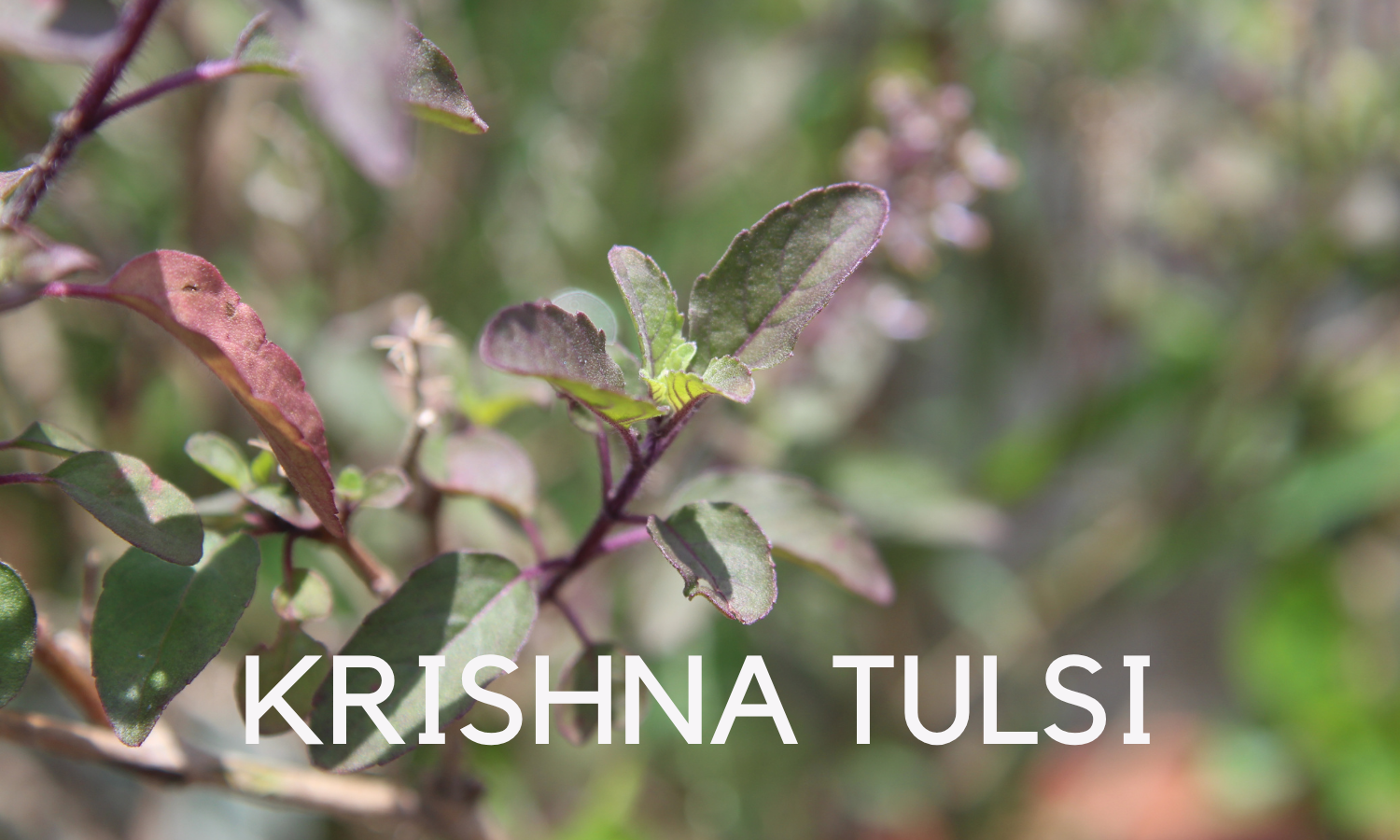
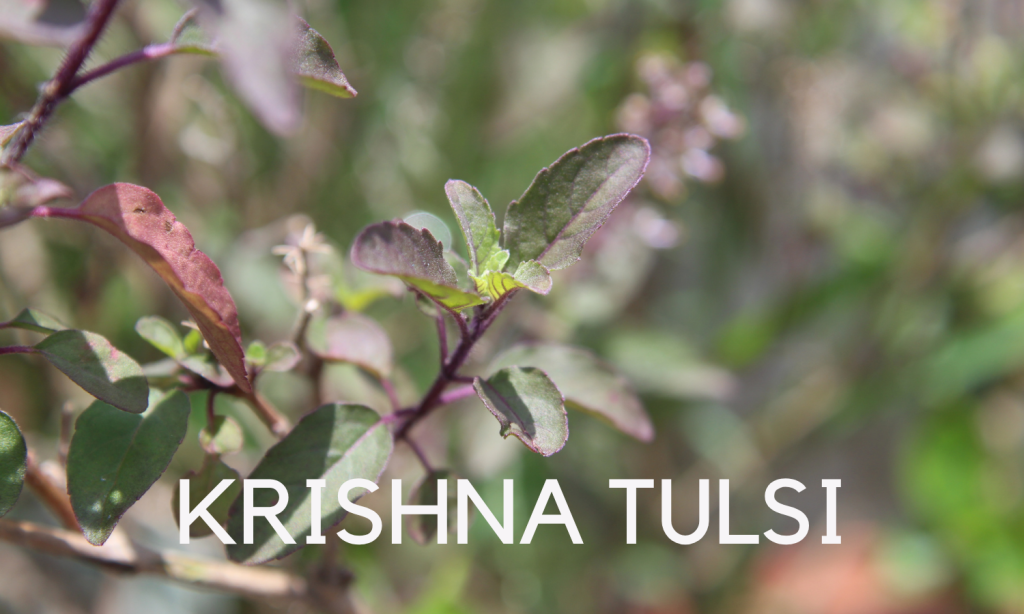
Among them, Krishna Tulsi, the purple-leaf form of Ocimum sanctum, is one of the most highly valued.
In Ayurvedic tradition, Krishna Tulsi has long been associated with resilience, vitality, stress adaptation, respiratory wellness, and spiritual significance. Modern research has added another layer of interest by exploring Tulsi’s potential effects on cortisol, mood, blood sugar, inflammation, immune function, cognition, and metabolic health.
A study published in The Journal of Ayurveda and Integrative Medicine: “The predominant cause of global morbidity and mortality is lifestyle-related chronic diseases, many of which can be addressed through Ayurveda with its focus on healthy lifestyle practices and regular consumption of adaptogenic herbs. Of all the herbs used within Ayurveda, Tulsi … is preeminent.”
At Linden Botanicals, we offer 100% Krishna Tulsi, not a blend of multiple Tulsi varieties. That distinction matters because many products marketed simply as “Tulsi” combine Rama, Vana, Kapoor, or other forms. We prefer to offer a clearly identified, single-variety extract with a strong traditional reputation and a compelling modern research profile.
Krishna Tulsi is also a natural fit for the Linden Botanicals Energy and Balance Pathway, where its role will center on supporting calm energy, stress resilience, emotional balance, and the body’s ability to adapt to everyday demands.
What Is Tulsi?
Tulsi Krishna is a purple-leaf variety of Holy Basil, traditionally classified within the Ocimum genus and widely used in Ayurvedic medicine.
Tulsi is considered one of the most revered medicinal plants in India. It has been used not only as an herb, but also as a household and spiritual plant associated with purification, protection, and vitality.
Several commonly recognized Tulsi types include:
- Krishna Tulsi – purple-leaf Tulsi
- Rama Tulsi – green-leaf Tulsi
- Vana Tulsi – wild forest Tulsi
- Kapoor Tulsi – a highly aromatic form often used in teas and blends
All can be valuable, but they’re not identical. Differences in genetics, growing conditions, volatile oils, phenolic compounds, and traditional use can affect the finished herb.
Krishna Tulsi is especially prized because of its strong aromatic profile, distinctive pigmentation, and longstanding reputation as a potent restorative herb.
According to a scientific study titled “Tulsi – Ocimum sanctum: An Herb for All Reasons,” “Many of the physiological benefits of tulsi can be attributed to its ability to assist with the body’s internal housekeeping and protection of the body from toxin-induced damage. These functions are often attributed to tulsi’s high content of phenolic compounds and anti-oxidant properties, with Krishna tulsi (black/purple variety) having a higher phenolic content and anti-oxidant capacity than white Vana (wild) tulsi.”
Why is Krishna Tulsi So Valued?
Krishna Tulsi’s reputation comes from the combination of traditional esteem, phytochemical richness, adaptogenic properties, and broad whole-body support.
It has traditionally been used for concerns involving:
- Stress
- Fatigue
- Mood
- Respiratory health
- Digestion
- Immune resilience
- Metabolic balance
- Inflammatory conditions
- General vitality
From a modern perspective, that breadth makes sense because Tulsi contains numerous biologically active compounds, including polyphenols, flavonoids, terpenes, essential oils, and phenolic constituents.
Krishna Tulsi is also valued as an adaptogen, meaning it may help the body respond more effectively to physical, emotional, and environmental stress. That adaptogenic role is central to understanding why Krishna Tulsi has remained important for so long.
Regular consumption of Tulsi may help protect and detoxify the body’s cells and organs. Tulsi may help to reduce stress, anxiety, and depression by calming the mind and offering psychological benefits, such as anti-anxiety and anti-depressant activity with effects comparable to diazepam and antidepressant drugs. It may also enhance memory and cognitive function and protect against age-induced memory deficits.
Tulsi Krishna and Stress Resilience
Krishna Tulsi appears to influence several pathways associated with stress regulation, including cortisol balance, inflammatory signaling, and oxidative stress reduction. In fact, stress is one of the most common reasons people seek out Tulsi.
The body has a sophisticated stress-response system centered around the hypothalamic-pituitary-adrenal axis, often abbreviated as the HPA axis.
When you encounter a threat or demand, the body increases production of stress hormones such as cortisol and adrenaline. In the short term, this response helps you focus, mobilize energy, and respond quickly.
The problem comes when stress becomes chronic. Long-term stress can affect:
- Sleep
- Mood
- Blood sugar
- Appetite
- Digestion
- Energy
- Immune function
- Hormonal balance
- Cardiovascular health
Tulsi is traditionally used to help the body adapt to this kind of sustained stress burden. Instead of acting like a stimulant, it’s generally valued for promoting calm resilience.
That makes Krishna Tulsi especially appealing to people who want support for energy without feeling overstimulated.
Why Adaptogens Matters
Adaptogens are herbs traditionally used to help the body maintain balance during periods of stress. They don’t all work the same way, and “adaptogen” shouldn’t be interpreted as a magical category that makes every plant universally useful.
The common idea is that adaptogens may help the body respond more efficiently to stress rather than remaining chronically over-activated. Krishna Tulsi fits this model particularly well.
Its traditional uses emphasize:
- Calm
- Vitality
- Resilience
- Clarity
- Recovery
- Balance
This is one reason it belongs so naturally in the Energy and Balance Pathway.
Tulsi Krishna and the Energy and Balance Pathway
The Linden Botanicals Energy and Balance Pathway is designed around an important distinction: Healthy energy isn’t the same as stimulation.
Many products marketed for energy rely on caffeine or other stimulants. They may help temporarily, but they can also contribute to jitters, disrupted sleep, anxiety, or energy crashes.
A more balanced approach asks a different question: How can we support the systems that help the body produce energy, respond to stress, and return to equilibrium?
Krishna Tulsi contributes to that goal by supporting stress resilience, mood, emotional balance, and healthy adaptation to daily demands. Within the Energy and Balance Pathway, Tulsi will complement other botanicals selected for steady energy, mitochondrial support, cognition, and resilience.
The goal isn’t to push the body harder. It’s to help the body function more smoothly.
Tulsi Krishna and Cortisol
Cortisol is often called the “stress hormone,” although that description oversimplifies its role.
Cortisol is essential. It helps regulate:
- Blood sugar
- Energy availability
- Inflammation
- Blood pressure
- Immune responses
- Circadian rhythm
Problems can occur when cortisol signaling remains dysregulated over long periods.
Some human research on Tulsi has explored its effects on stress-related symptoms and physiological markers. This is one reason Tulsi is so interesting as an adaptogenic herb.
Instead of simply sedating the nervous system, it may support more balanced stress physiology. That balance is especially relevant to people who feel “wired but tired” (overstimulated mentally but physically exhausted).
Tulsi Krishna and Mood Support
Stress and mood are closely connected. Chronic stress can contribute to irritability, low motivation, anxiety, disrupted sleep, and emotional fatigue.
Tulsi has been studied for potential anxiolytic and antidepressant-like effects, particularly in preclinical research and some human studies. Traditional use also supports its reputation as a calming yet clarifying herb. That combination is important.
Some herbs used for relaxation can also make people feel sleepy or mentally dull. Tulsi is often valued because it supports a sense of calm without necessarily reducing alertness.
This makes it a good fit for daytime use, especially for people looking for steadier emotional balance.
Tulsi Krishna and Energy Without Overstimulation
One of the most appealing qualities of Krishna Tulsi is that it’s not typically used as a conventional stimulant. Instead, its role in energy support comes from helping the body manage stress more effectively.
This matters because chronic stress can drain energy in several ways:
- Sleep becomes less restorative
- Cortisol rhythms can become disrupted
- Blood sugar regulation may become less stable
- Muscle tension increases
- Mental fatigue builds
- Recovery becomes less efficient
A plant that helps reduce stress load may indirectly support steadier energy. This is very different from simply increasing stimulation. That distinction is central to the Energy and Balance Pathway.
Other Health Benefits of Tulsi Krishna
Tulsi Krishna and Cognitive Clarity
Stress can interfere with attention, memory, and executive function. When the nervous system remains overactivated, mental energy may be spent on vigilance rather than focused thinking.
Tulsi has traditionally been used for mental clarity and has attracted research interest for its antioxidant and neuroprotective properties. Its ability to support calm without heavy sedation may also make it especially relevant for cognitive performance under stress.
In practical terms, Tulsi may be useful for people who feel mentally scattered because of stress rather than because they lack stimulation.
Tulsi Krishna and Blood Sugar Support
Tulsi has also been studied for metabolic health, including blood sugar regulation. Traditional use in Ayurveda has long included support for metabolic balance.
Modern research has explored potential effects on:
- Glucose metabolism
- Insulin sensitivity
- Lipid metabolism
- Oxidative stress
This is relevant because chronic stress and metabolic health are closely connected. Cortisol influences blood sugar, appetite, and energy storage. That means a botanical that supports both stress resilience and metabolic balance may have broader value than one focused on either system alone.
Tulsi shouldn’t replace medical treatment for diabetes or other metabolic disorders, but its traditional and research profile makes this an important area of interest.
Tulsi Krishna and Immune Health
Tulsi also has a long reputation for immune support. Its phytochemicals have demonstrated antimicrobial, antioxidant, and inflammation-modulating activity.
Traditional uses include respiratory and seasonal wellness, which may help explain why Tulsi remains such a common household herb throughout India.
A healthy immune system requires balance. Too little activity can reduce protection, just as too much or poorly regulated activity can contribute to inflammation.
Tulsi’s broader adaptogenic reputation is relevant here because stress itself can influence immune function. Supporting stress resilience may therefore indirectly support immune resilience as well.
Tulsi Krishna and Respiratory Health
Tulsi has traditionally been used for:
- Cough
- Congestion
- Bronchial discomfort
- Seasonal respiratory issues
Its aromatic compounds and essential oils contribute to this reputation. In Ayurveda, Tulsi is often considered useful for helping clear and support the respiratory system.
Tulsi Krishna and Inflammation
Chronic low-grade inflammation is increasingly recognized as an important contributor to many long-term health challenges. Tulsi contains compounds with anti-inflammatory activity, and researchers have examined its influence on pathways involved in inflammatory signaling.
This has potential relevance to:
- Joint comfort
- Metabolic health
- Cardiovascular wellness
- Brain health
- Immune balance
A healthy inflammatory response isn’t about eliminating inflammation. Inflammation is necessary for healing and immune defense. The goal is regulation.
Tulsi Krishna and Antioxidant Protection
Tulsi contains antioxidants that help protect cells from oxidative stress. This matters because oxidative damage can affect:
- DNA
- Cell membranes
- Mitochondria
- Proteins
- Blood vessels
- Brain tissue
Antioxidant support is one of the reasons Tulsi has relevance beyond stress alone. A plant that supports stress adaptation while also helping protect cells from oxidative damage offers a more complete form of resilience.
Why Linden Botanicals Uses 100% Krishna Tulsi
Many commercial Tulsi products are blends.
A tea may combine:
That can create a pleasant flavor and a broad Tulsi experience, but it also makes it hard to know exactly how much Krishna Tulsi you’re getting.
At Linden Botanicals, our Tulsi extract is 100% Krishna Tulsi. No blend. No fillers. No substitutions.
That matters to us because botanical identity matters.
If we’re offering Krishna Tulsi, we want the product to actually be Krishna Tulsi. This also allows our customers to explore the properties of one clearly identified variety rather than a mixture.
Why Purple-Leaf Krishna Tulsi Is Different
Krishna Tulsi is visually distinctive because of its purple pigmentation. That coloration reflects the presence of anthocyanins and related compounds, which contribute to the plant’s phytochemical profile.
The leaves, stems, and flowers can all contain aromatic oils and phenolic compounds. Differences in pigmentation, aroma, genetics, and growing environment help explain why Krishna Tulsi may not be chemically identical to green-leaf varieties.
That doesn’t mean Rama, Vana, or Kapoor Tulsi are inferior. They simply represent different botanical expressions of Tulsi.
At Linden Botanicals, we choose Krishna because of its traditional reputation and the specific profile we want to offer.
Where Krishna Tulsi Comes From Matters
As with every medicinal plant, terroir matters.
Temperature, sunlight, rainfall, soil, elevation, harvest timing, and cultivation practices influence plant chemistry.
At Linden Botanicals, we source Krishna Tulsi from northern India, where the plant has a deep traditional and cultural history.
The goal is to source the right botanical from a region where it has long been cultivated and understood.
Frequently Asked Questions About Tulsi Krishna
What is Tulsi Krishna?
Tulsi Krishna is a purple-leaf variety of Holy Basil traditionally used in Ayurveda. It’s valued for adaptogenic, antioxidant, immune-supporting, stress-balancing, and metabolic properties.
Is Tulsi Krishna the same as Holy Basil?
Krishna Tulsi is one type of Holy Basil. Other varieties include Rama, Vana, and Kapoor Tulsi.
Why is Krishna Tulsi considered special?
Krishna Tulsi has a particularly strong traditional reputation and a distinctive purple-leaf phytochemical profile. It’s especially associated with resilience, stress support, vitality, and restorative use.
Is Tulsi Krishna better than Rama Tulsi?
Not necessarily. They’re different varieties. Linden Botanicals chooses Krishna Tulsi because of its traditional value, specific phytochemical profile, and alignment with our wellness goals.
Does Tulsi Krishna help with stress?
Tulsi is one of Ayurveda’s classic adaptogenic herbs and is traditionally used to help the body respond to stress. Modern research has also explored its effects on stress-related symptoms and cortisol physiology.
Does Tulsi Krishna give you energy?
Tulsi doesn’t work like caffeine. Its energy support is more indirect, helping promote stress resilience, balance, and steadier mental and physical function.
Can Tulsi Krishna help anxiety?
Tulsi has traditional use and some research related to anxiety and stress. It shouldn’t replace professional care for an anxiety disorder.
Does Tulsi Krishna contain caffeine?
No. Tulsi is naturally caffeine-free.
Can I take Tulsi Krishna every day?
Tulsi has a long history of regular traditional use. Follow the product guidance and consult a healthcare professional if you take medications or have relevant medical conditions.
Is Tulsi Krishna good for sleep?
Tulsi isn’t primarily a sedative, but supporting stress balance may indirectly help some people unwind more effectively.
Is Tulsi Krishna good for blood sugar?
Research has explored Tulsi’s effects on glucose metabolism and insulin sensitivity. It shouldn’t replace diabetes treatment or medical guidance.
What Does Tulsi Krishna Taste Like?
Krishna Tulsi has a complex flavor.
You may notice:
- Clove-like notes
- Pepper
- Floral sweetness
- Mild spice
- Earthy herbal tones
Its aroma is one of its most distinctive qualities. Many people find it calming even before they drink it. That sensory dimension is worth acknowledging.
Herbal wellness is more than chemistry. Taste, smell, ritual, and consistency all influence whether a plant becomes part of daily life.
Is Tulsi Krishna a Replacement for Caffeinated Coffee?
Coffee and Tulsi serve different purposes. Coffee contains caffeine and increases alertness quickly.
Tulsi isn’t trying to do that. Its value lies more in supporting:
- Stress regulation
- Calm energy
- Emotional balance
- Cognitive steadiness
- Resilience
For people who are already overstimulated, adding more caffeine may not always solve the problem. Sometimes the better strategy is to reduce stress load. That’s one reason Tulsi is such an important part of the Energy and Balance concept.
Who Might Consider Tulsi Krishna?
Krishna Tulsi may be especially interesting for people seeking support for:
- Chronic stress
- Mental fatigue
- Emotional balance
- Calm energy
- Healthy cortisol response
- Immune resilience
- Metabolic wellness
- Cognitive clarity
- Long-term stress adaptation
To be clear, Tulsi isn’t a treatment for an anxiety disorder, depression, diabetes, or another diagnosed medical condition. Instead, it’s a traditional botanical that can complement a broader wellness strategy.
Is Tulsi Krishna part of the Energy and Balance Pathway?
Yes. Krishna Tulsi is a natural fit for the Linden Botanicals Energy and Balance Pathway because it supports calm energy, stress resilience, mood balance, and healthy adaptation.
A Different Way to Think About Energy and Balance
One of the most useful lessons from Tulsi is that energy and stress are connected.
When the body is constantly reacting to pressure, energy gets consumed by the stress response. Sleep becomes less restorative, focus becomes harder, and mood becomes less stable.
Caffeine may temporarily mask those effects, but it doesn’t necessarily solve the underlying imbalance.
Tulsi Krishna offers a different approach.
Instead of pushing the nervous system harder, it supports adaptation. Instead of creating a short-lived energy spike, it promotes steadier resilience. Instead of separating mood, metabolism, immune health, and energy, it recognizes that these systems interact.
That’s why Krishna Tulsi has remained so highly valued in Ayurveda for thousands of years.
And it’s why we think it belongs at the center of the Linden Botanicals Energy and Balance Pathway.
The goal is better energy: calmer, steadier, more resilient, and easier to sustain.
Final Thoughts on Tulsi Tea and Stress Resilience
At Linden Botanicals, Krishna Tulsi remains one of our most trusted daily herbs. It consistently supports the body in quiet, meaningful ways over time. And sometimes, the most powerful wellness practices are the ones you genuinely look forward to drinking every day.