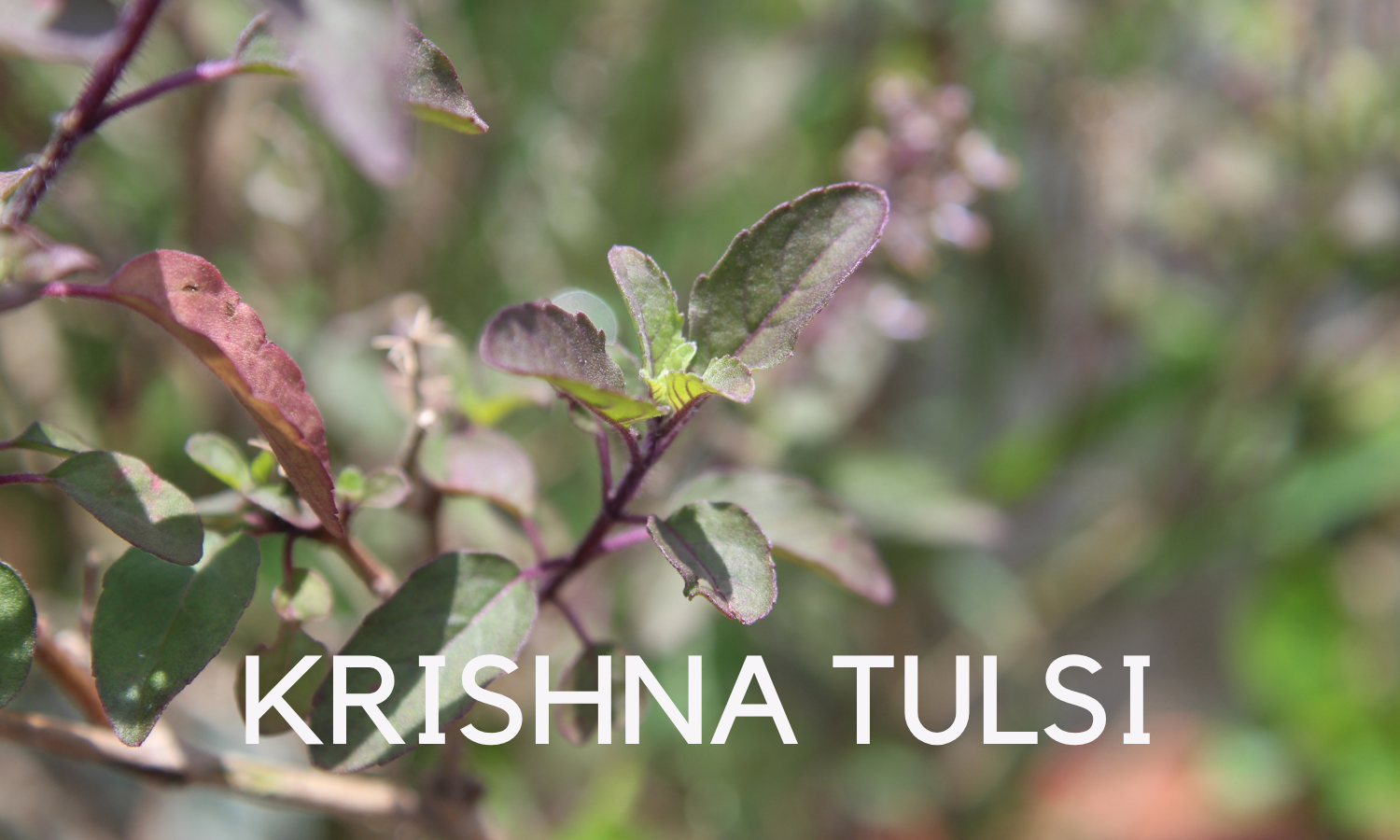
Wondering how to not get altitude sickness at elevation? One way is to try Muna mint tea.
How to Not Get Altitude Sickness: A Practical, Experience-Based Guide for Travelers and Mountain Living
If you’ve ever traveled to higher elevations—or if you live in a higher elevation area like Colorado Springs—you already know how quickly altitude can affect the body.
Headaches. Nausea. Fatigue. Shortness of breath. It doesn’t take much for things to feel off.
Understanding how to not get altitude sickness isn’t about eliminating risk entirely. It’s about helping your body adjust more smoothly. It’s also about giving yourself the best possible experience at elevation.
What Is Altitude Sickness (and Why It Happens)
Altitude sickness—also called acute mountain sickness (AMS)—is your body’s response to a simple but powerful change: less available oxygen with each breath.
As you gain elevation, the percentage of oxygen in the air stays roughly the same. What changes is air pressure. At higher altitudes, the air becomes thinner, meaning there are fewer oxygen molecules in each breath you take. Your lungs still expand and contract the same way, but the thing is that they’re working with less.
That creates a mismatch between what your body needs and what it’s getting.
The Physiology Behind Altitude Sickness
At sea level, your body operates in a relatively oxygen-rich environment. Your lungs, bloodstream, and cells are all calibrated to that baseline.
When you ascend quickly:
- Oxygen levels in your blood drop
- Your breathing rate increases
- Your heart works harder to circulate oxygen
- Blood vessels (especially in the brain) begin to dilate
This is your body trying to adapt in real time.
But adaptation isn’t instant. Instead, it’s a process.
Over hours to days, your body begins to:
- Produce more red blood cells to carry oxygen
- Increase breathing efficiency
- Adjust fluid balance
- Improve oxygen delivery to tissues
Until those adjustments happen, you’re in a temporary state of oxygen deficit. And that’s when symptoms appear.
Why Symptoms Feel So Intense
Altitude sickness doesn’t affect just one system—it affects several at once.
- Brain: Reduced oxygen and changes in blood flow can trigger headaches, dizziness, and brain fog
- Digestive system: Slower digestion and stress responses can lead to nausea and appetite loss
- Respiratory system: You may feel short of breath even at rest
- Energy systems: Cells produce less energy efficiently, leading to fatigue and weakness
This is why altitude sickness can feel so disorienting. It’s not just a headache or just fatigue. Instead, it’s a whole-body adjustment process happening all at once.
Speed Matters More Than Elevation Alone
One of the most important (and often misunderstood) factors is how quickly you gain elevation.
You can experience altitude sickness:
- At moderate elevations (like parts of Denver)
- At higher elevations in the mountains
- Even during air travel if you’re not acclimated
But the risk increases significantly when ascent is rapid.
For example:
- Flying directly from sea level to a high-altitude destination
- Driving quickly into the mountains
- Hiking or climbing without gradual elevation gain
Your body simply doesn’t have enough time to adapt.
Individual Response Varies
Not everyone reacts to altitude the same way.
Factors that influence susceptibility include:
- Previous altitude exposure
- Hydration status
- Physical conditioning (though fitness doesn’t guarantee protection)
- Sleep quality
- Individual physiology
Some people feel fine at higher elevations. Others notice symptoms quickly, even with mild changes.
That unpredictability is part of what makes altitude sickness so challenging.
The Key Insight
Altitude sickness isn’t a failure of your body—it’s a signal. A signal that your body is working to adapt, but needs more time, support, or both.
Understanding this changes the approach. Instead of trying to push through symptoms, the goal becomes:
- Supporting the body’s natural adjustment process
- Reducing unnecessary stress on key systems
- Giving yourself the best possible chance to acclimate comfortably
That’s where simple strategies—and time-tested herbal support like Muña tea—can make a meaningful difference.
Common Symptoms of Altitude Sickness
Symptoms can range from mild to more serious. The most common include:
- Headache (often the first sign)
- Nausea or loss of appetite
- Fatigue and weakness
- Dizziness or lightheadedness
- Shortness of breath
- Poor sleep
In more advanced cases, symptoms can escalate into confusion, severe breathing difficulty, or fluid buildup in the lungs or brain—though this is less common.
Early awareness is key.
How to Not Get Altitude Sickness: What Actually Helps
There’s no single solution. However, there are proven strategies that make a meaningful difference.
1. Ascend Gradually: Give your body time to adapt. If possible, spend a day or two at moderate elevation before going higher.
2. Stay Hydrated: Dehydration makes symptoms worse. Drink more water than you think you need.
3. Eat Light, Easy-to-Digest Foods: Heavy meals can strain digestion when your body is already under stress.
4. Limit Alcohol (at Least Initially): Alcohol can worsen dehydration and interfere with acclimatization.
5. Rest When You Arrive: Avoid intense activity for the first 24 hours at higher elevations.
6. Listen to Your Body: If symptoms worsen, don’t push through. Descending is sometimes the best solution.
A Personal Discovery: Finding Muña Tea from the Andes
I first discovered Muña mint tea during a four-day hike to Machu Picchu in Peru.
Like many travelers coming from lower elevations, I felt the effects of altitude almost immediately—head pressure, a slightly unsettled stomach, and that subtle but persistent shortness of breath that makes everything feel harder than it should. Keep in mind that I live at altitude. In other words, altitude can affect anyone, even those who are theoretically already acclimated.
What stood out to me wasn’t just the altitude—it was how everyone around me responded to it. Our guides carried Muña. Local families offered it without hesitation. Fellow hikers drank it morning and night. It wasn’t positioned as a remedy or a product. It was simply part of the rhythm of being in the Andes.
But when I was first offered a cup of Muna tea, at first I was still skeptical.
After a cup or two, I understood why. It was calming, refreshing, and surprisingly effective—and it quickly became part of my own routine, both on that trek and ever since.
Muña (Minthostachys mollis) is a traditional Andean herb known for helping the body adapt to high elevations. It works in several practical ways:
- Calms nausea and stomach discomfort
- Helps open the airways for easier breathing
- Supports circulation
- Encourages the body to adjust more comfortably to thinner air
It’s not complicated. It’s just effective.
Why Muña Tea Works So Well at Altitude
Altitude sickness isn’t just about oxygen—it’s about how multiple systems respond at once.
Muña supports several of those systems simultaneously:
- Digestive support: reduces nausea and stomach upset
- Respiratory support: helps ease breathing and clear congestion
- Circulatory support: assists the body in adapting to oxygen changes
And perhaps just as importantly—it’s incredibly refreshing and minty, making it easy to drink even when you don’t feel great.
Additional Health Benefits of Muña Mint Tea
One of the reasons I continue drinking Muña—even at home—is that its benefits go well beyond altitude.
Digestive Support: Muña is widely used to relieve bloating, indigestion, cramping, and stomach discomfort. It helps relax the digestive tract and supports bile flow.
Respiratory Support: Its natural compounds act as mild expectorants, helping clear congestion and soothe the lungs.
Antioxidant Protection: Muña contains phenolic compounds that help combat oxidative stress and support overall resilience.
Antimicrobial Properties: Traditionally used to support gut and oral health, Muña may help maintain microbial balance.
Gentle Mental Clarity: Many people notice a subtle boost in alertness. Best of all, there’s no caffeine jitters.
Oral Candida Buster: Muña mint tea isn’t just good for the stomach and lungs. It can also play an important role in oral health. Thanks to its strong antimicrobial properties, Muña tea has long been used to fight bacteria in the mouth, freshen breath, and even soothe toothaches. Its ability to inhibit harmful microorganisms makes it a natural complement to proper oral hygiene practices.
A Simple Routine for Altitude Support
If you’re traveling to higher elevations:
- Drink 1–2 cups of Muña tea daily upon arrival at elevation
- Continue for the first 1-3 days while acclimating
- Pair with hydration and rest
It’s a small addition, but one that can make a noticeable difference.
Muña Peruvian tea is an herbal looseleaf tea. Add 8 oz (1 cup) of near-boiling, filtered water to one teaspoon of the loose-leaf herb. Let the tea steep for 5 to 7 minutes. Drink 1 to 2 cups, as desired.
Muña herbal tea is intended to be consumed to help relieve acute symptoms, such as stomach ache or altitude sickness. It is most helpful when used for 1 to 3 days.
Final Thoughts: How to Not Get Altitude Sickness
You don’t need extreme measures to handle altitude well.
You need:
- Time to adjust
- Awareness of your body
- Simple, supportive habits
And sometimes, a time-tested herbal ally.
Muña mint tea is a powerful herbal remedy that offers a range of health benefits, including digestion, respiration, oral health, and altitude sickness relief. In addition, Muña Peruvian tea can be used as an oral candida buster.
If you suffer from digestive issues, altitude sickness, or oral candida, we suggest you try our Muña mint Peruvian tea as a natural remedy.
Muña mint tea has been used for generations for a reason. It’s practical. It’s effective. And, yes, it’s genuinely delicious.
To learn more, a good place to start is with the Muna mint tea FAQ.
Try Muna Tea