Liver support herbs promote detox balance, improve digestion, reduce inflammation, and strengthen resilience through consistent, whole-body support.
If you’re researching liver support herbs, you’re probably not looking for a quick fix.
You’re looking for something more grounded. More realistic. More sustainable.
Maybe your energy feels off. Maybe digestion isn’t quite right. Maybe you’ve been traveling, under stress, eating differently, or recovering from illness. Or maybe you simply understand that long-term health requires proactive care.
Whatever brought you here, one thing is worth stating clearly:
Your liver isn’t broken. However, it may be overworked.
And in today’s world, that’s increasingly common.
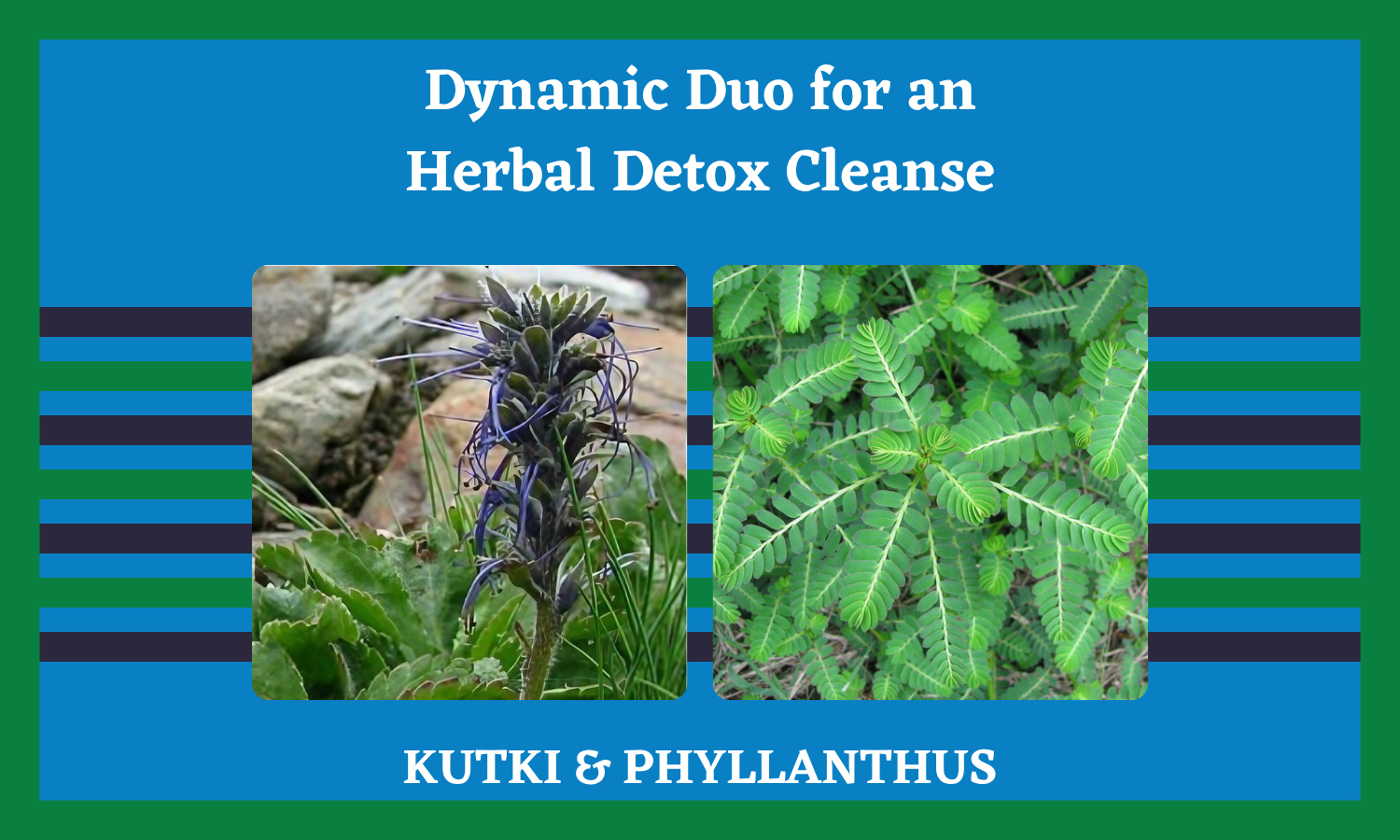
This guide explores how the liver actually functions, why it becomes burdened, and how carefully chosen liver support herbs—especially Phyllanthus niruri and Kutki—can help restore balance over time.
The Liver: Quiet, Essential, and Constantly Working
The liver doesn’t ask for attention. It doesn’t create dramatic symptoms until it’s significantly stressed. And yet it is one of the most important organs in the body.
At any given moment, your liver is:
- Filtering blood from your digestive tract
- Processing nutrients into usable forms
- Breaking down alcohol, medications, and environmental compounds
- Producing bile to support fat digestion and waste elimination
- Regulating blood sugar and cholesterol
- Supporting immune surveillance
- Managing hormone metabolism
- Neutralizing potentially harmful substances
Every bite of food. Every supplement. Every exposure.
It all flows through the liver.
The issue isn’t whether the liver can do its job. It’s whether the total daily load exceeds its capacity to do that job efficiently.
Why Modern Life Challenges Liver Function
For most of human history, the liver handled a relatively predictable workload. Today, that workload has changed dramatically.
Common contributors to increased liver burden include:
- Highly processed foods and refined sugars
- Alcohol and environmental toxins
- Chronic psychological stress
- Irregular sleep patterns
- Long-term medication use
- Sedentary habits
- Frequent travel and disrupted routines
Individually, these factors may seem manageable. Together, they create a cumulative effect.
Over time, this can contribute to:
- Persistent fatigue
- Digestive sluggishness
- Bloating or discomfort after meals
- Skin reactivity
- Inflammatory patterns
- Reduced resilience to stress
This is where liver support herbs can play a meaningful role—not by forcing detox, but by improving how the system functions.
What “Detox” Actually Means (Without the Marketing)
The word “detox” is often misused. In reality, the liver already detoxifies continuously through a highly regulated process.
This process occurs in two interconnected phases.
Phase 1: Transformation: Enzymes convert fat-soluble substances into intermediate compounds.
Phase 2: Conjugation: Those intermediates are bound to molecules like glutathione and made water-soluble for elimination through bile or urine. Both phases must work in balance.
If Phase 1 is stimulated aggressively without supporting Phase 2, the body can accumulate reactive intermediates—potentially increasing oxidative stress rather than reducing it. This is why extreme detox strategies often leave people feeling worse.
Effective liver support herbs don’t override this system. They support its natural rhythm.
Signs Your Body May Benefit from Liver Support
Most people do not need a dramatic cleanse. But many benefit from consistent support.
Common signals include:
- Low or inconsistent energy
- Cravings for sugar or alcohol
- Digestive irregularity
- Feeling “inflamed” or achy
- Difficulty recovering after indulgence
- Skin flare-ups tied to stress or diet
- Sensitivity to medications or alcohol
These aren’t diagnoses. They’re patterns.
And they often respond well to thoughtful, layered support.
Two Foundational Liver Support Herbs
Among the many botanicals used traditionally for liver care, two stand out for their complementary, well-balanced support:
- Phyllanthus niruri (Chanca Piedra)
- Kutki (Picrorhiza kurroa)
They approach liver health from different angles—but work exceptionally well together.
Phyllanthus niruri: Daily, Foundational Liver Support
Phyllanthus niruri is often associated with kidney health, but its liver-support properties are equally significant.
Native to the Amazon, this plant contains a wide range of bioactive compounds—including flavonoids, lignans, and tannins—that support multiple systems at once.
How Phyllanthus niruri Supports the Liver
- Helps protect liver cells from oxidative stress
- Supports natural antioxidant systems, including glutathione
- Encourages healthy bile movement
- Assists gentle detox pathways
- Supports immune balance
- Helps maintain digestive harmony
What makes Phyllanthus niruri unique is its suitability for daily use. It doesn’t overstimulate. It supports consistency.
Many people find it works best as a regular tea or daily ritual, offering steady support rather than dramatic shifts.
The Phyllanthus niruri FAQ provides much more information about this all-natural herb.
Kutki (Picrorhiza kurroa): Deep Liver and Bile Support
Kutki has been used for centuries in Ayurvedic medicine as a primary herb for liver health. It is especially valued for its ability to support bile production, liver regeneration pathways, and inflammatory balance.
How Kutki Supports the Liver
- Encourages healthy bile production and flow
- Supports liver repair and regeneration processes
- Helps calm inflammatory signaling
- Provides antioxidant protection
- Supports skin clarity through improved liver function
Kutki is particularly helpful during periods of increased liver demand, such as:
- Travel
- Dietary changes
- Medication use
- High stress
- Alcohol exposure
It isn’t harsh—but it is targeted.
The Kutki FAQ provides much more information about this all-natural herb.
Why These Liver Support Herbs Work Better Together
A comprehensive liver support strategy should address multiple aspects of liver function:
-
- Protection
- Flow
- Balance
- Elimination
Phyllanthus niruri and Kutki naturally divide this work:
- Phyllanthus niruri supports antioxidant protection and steady detox pathways
- Kutki enhances bile flow and supports deeper restoration
Together, they create a layered, physiologically aligned approach—supporting the liver without overwhelming it.
Supporting the Liver Beyond Herbs
No herbal protocol can compensate for constant overload. The foundation of liver health remains lifestyle.
Supportive Daily Habits
- Eat whole, minimally processed foods
- Stay well hydrated
- Include bitter and fiber-rich foods
- Prioritize sleep and recovery
- Manage stress intentionally
Foods That Help
- Leafy greens and bitter vegetables
- Cruciferous vegetables like broccoli and cabbage
- Beets and carrots
- Citrus fruits
- Garlic and onions
Foods That Increase Burden
- Ultra-processed foods
- Excess sugar
- Trans fats
- Frequent alcohol consumption
Direction matters more than perfection.
Why Extreme Detoxes Often Backfire
Many liver cleanses rely on:
- Laxatives
- Severe caloric restriction
- Aggressive stimulation
While these approaches may feel intense, they often:
- Disrupt electrolyte balance
- Overstimulate detox pathways
- Increase oxidative stress
- Leave people fatigued and depleted
True liver support herbs don’t force change.
They support function.
They improve efficiency. They respect timing. And they allow the body to do what it is already designed to do—better.
A Practical Rhythm for Liver Support
Instead of a “cleanse,” consider a repeatable pattern.
Daily
- Whole foods and hydration
- 1–2 cups of Phyllanthus niruri tea
- Stress management
- Consistent sleep
Several Times Per Week
- Bitter greens and cruciferous vegetables
- Reduced sugar and alcohol
As Needed
- Kutki during higher-demand periods
Think of it, not a reset, but as a rhythm.
Why Quality Matters with Liver Support Herbs
Not all herbs are created equal. And when it comes to liver health, quality isn’t optional.
Four factors matter significantly:
- Species accuracy
- Geographic origin
- Harvest timing
- Processing methods
These determine potency, safety, and effectiveness.
At Linden Botanicals, we prioritize:
- Authentic Phyllanthus niruri (not substitute species)
- Properly sourced Kutki (Picrorhiza kurroa)
- Transparent sourcing practices
- Clean, careful preparation
Because the liver is too important for shortcuts.
Additional Traditional Liver Support Herbs Worth Noting
While Phyllanthus niruri and Kutki form the foundation of a thoughtful liver support strategy, they exist within a much broader tradition of plant-based medicine.
Across Ayurvedic and Traditional Chinese Medicine systems, liver health has never been viewed in isolation. It is understood as part of a larger network—deeply connected to digestion, energy, stress response, and systemic balance.
Several additional herbs are worth understanding in this broader context—not as replacements, but as complementary allies.
Haritaki (Terminalia chebula): Supporting Flow Through the Gut-Liver Axis
In Ayurveda, Haritaki is often referred to as a “king” among herbs—not because it targets a single system, but because of how broadly it supports the body’s internal processes.
One of its most important roles is improving digestive efficiency and elimination. This matters more than most people realize. The liver produces bile to help process fats and remove waste, but that waste must ultimately move through the digestive tract. If digestion is sluggish or elimination is inconsistent, the entire detox pathway can become congested.
Haritaki helps address this by:
- Supporting regular, efficient elimination
- Enhancing digestive enzyme activity
- Reducing gut inflammation and oxidative stress
- Promoting a healthier internal microbial balance
It is also rich in polyphenols and antioxidant compounds that help reduce the oxidative burden placed on the liver. In this way, Haritaki doesn’t “act on the liver” directly—it supports the conditions that allow the liver to function more efficiently.
The Haritaki FAQ provides additional information about this all-natural herb.
Semen cuscutae (Dodder Seed): Restoring Energy and Systemic Resilience
In Traditional Chinese Medicine, Semen cuscutae is considered a tonic herb, meaning it is used to strengthen the body over time rather than produce immediate, targeted effects.
This distinction is important. In traditional frameworks, liver health is closely tied to energy regulation, vitality, and long-term resilience. When the body is depleted—whether from stress, illness, or chronic imbalance—the liver’s ability to perform its many functions can decline.
Semen cuscutae is traditionally used to:
- Support overall vitality and endurance
- Reinforce systemic resilience during periods of stress
- Help maintain balance across interconnected organ systems
Rather than stimulating detox pathways directly, it helps rebuild the underlying strength required for those pathways to function properly.
The Semen cuscutae FAQ provides additional information about this all-natural herb.
Paeonia lactiflora (White Peony Root): Balancing Stress, Inflammation, and “Liver Harmony”
In Traditional Chinese Medicine, the concept of “liver health” extends beyond detoxification. It includes the regulation of emotional balance, stress response, and internal harmony.
This is where Paeonia lactiflora plays a unique role.
White peony root has long been used to:
- Support a balanced nervous system response to stress
- Help regulate inflammatory signaling
- Promote smooth circulation and tissue nourishment
- Encourage overall systemic equilibrium
Modern physiology helps explain why this matters. Chronic stress elevates cortisol and inflammatory markers, both of which increase metabolic burden and place additional strain on the liver. Over time, this can contribute to fatigue, digestive disruption, and systemic imbalance.
By helping regulate stress response and calm inflammatory pathways, Paeonia lactiflora supports what traditional systems describe as “liver harmony”—a state in which the body’s internal processes function smoothly rather than reactively.
The Paeonia lactiflora FAQ provides additional information about this all-natural herb.
Liver Support Herbs as Long-Term Allies
Your liver is remarkably resilient. It doesn’t need extreme intervention. It needs consistent support.
The best liver support herbs:
- Protect against oxidative stress
- Encourage healthy bile flow
- Support balanced detox pathways
- Integrate into daily life
Phyllanthus niruri and Kutki aren’t quick fixes. They’re partners.
Used consistently, they help the liver function more efficiently—quietly supporting energy, digestion, and resilience over time.
And that’s the goal.
To learn much more about these all-natural herbs, check out the Phyllanthus niruri FAQ and the Kutki FAQ.
SHOP NOW