
Best Female Hormone Balance Supplements
The best female hormone balance supplements support reproductive wellness, stress resilience, bone health, energy, and healthy aging. If you’re researching the best female hormone balance


Cistus tea is known for helping to ameliorate cold and flu symptoms and repel mosquitoes and ticks.
If you’ve heard about Cistus tea, you’re probably curious to learn more. Cistus incanus has long made headlines for its many health benefits. It’s a popular herbal tea all year long, but in summer regular drinkers often drink it to avoid being bitten mosquitoes and ticks.
All-natural Mediterranean Cistus incanus herbal tea and herbal extract are perennial global favorites for the broad range of support this special herb provides to overall health and wellness.
Here’s why:
You’ll want to learn more about this fantastic Mediterranean plant and the equally fantastic tea you can make from it. (First and foremost, be sure it is a Mediterranean plant — not all Cistus is created equal).
Below, I’ll share some information about where this plant is sourced and why the Cistus tea sold by Linden Botanicals is among the best in the world.
Cistus incanus is an evergreen dwarf shrub herb in the family Cistaceae. It’s native to the arid Mediterranean region. The plant reaches 1-3 feet in height. The grey-green leaves are ovate-lanceolate to elliptic, measuring 1/2 inch to 1 inch long. The branches and sometimes the leaves are hairy and sticky. The flowers have five petals, are pink to purple, and bloom for only one day.
The traditional use of Cistus reaches back millennia. The Book of Genesis references the resin of Cistus plants. Ancient traditional uses include treating colds, coughs, menstrual problems, and rheumatism. Cistus was used in ancient Greece as a wound healer and a beauty product.
Across the Mediterranean, different Cistus species became part of local herbal traditions, with the leaves commonly prepared as teas, infusions, and other remedies. The plant’s aromatic resin, often known as labdanum, was also highly prized. Collected from the leaves and branches of certain Cistus species, labdanum was used historically in perfumes, cosmetics, incense, and medicinal preparations. These varied applications demonstrate how deeply Cistus became woven into everyday life throughout the region.
In Moroccan traditional medicine, Cistus tea has long been used to maintain a healthy mouth and throat. In traditional herbal medicine, the leaves of Cistus have been used to treat skin and inflammatory diseases. Today, researchers are investigating the plant’s abundant polyphenols and other bioactive compounds, providing new scientific context for some of the properties that made Cistus a valued traditional botanical for generations.
Recent scientific research has confirmed the validity of this traditional herbal knowledge. Studies have shown that Cistus leaf extracts have powerful antibacterial, antiviral, and biofilm-breaking qualities. Cistus has shown anti-fungal activity against Candida albicans, Candida krusei, Candida glabrata, and Aspergillus fumigatus.
Cistus incanus makes a great mosquito repellant and tick repellant. Drink Cistus tea daily (about 2 cups a day) for at least a week in order to realize its biting insect-repellent effects.
Cistus incanus herb is rich in bioflavonoids and polyphenols. Tea made from this herb may ameliorate cold and flu symptoms in about 2 days after drinking the first cup. (Read the Cistus FAQ.)
In addition, a 2021 study published in Cardiology Journal suggests that Cistus incanus may decrease cardiovascular risk factors including oxidative stress and dyslipidemia. The study’s authors conclude that these cardiovascular benefits support the idea of consuming Cistus incanus tea on a daily basis as an effective dietary component to help decrease cardiovascular risk and prevent atherosclerotic cardiovascular disorders.
In Europe, Cistus is widely used to fight germs, viruses, and fungi. It’s used externally to cleanse the skin and ameliorate eczema, acne, and psoriasis. You can create your own herbal version of a powerful antidandruff shampoo by using a batch of tea to wash your hair.
Cistus also works well for oral cavity hygiene. You can use it as a mouthwash. Its biofilm-busting activities significantly reduce oral bacteria and leave your mouth feeling clean.
Interestingly, recent studies suggest that Cistus extract targets viral envelope proteins, preventing the primary attachment of the virus to host cells. This reduces the virulence and reproductive ability of the pathogen. Cistus may have even more verified uses in the future.
According to the CDC, millions of people in the United States develop infections caused by antibiotic-resistant microorganisms each year, making antimicrobial resistance an important and ongoing public-health concern. Addressing that threat requires a coordinated approach involving appropriate antibiotic use, infection prevention, public-health surveillance, and continued scientific research. One area worth exploring is the antimicrobial potential of medicinal plants and the natural compounds they produce.
Cistus incanus tea is particularly interesting in this regard because the plant contains a diverse collection of biologically active compounds. Its exceptionally rich polyphenol profile has attracted scientific attention for antimicrobial, antioxidant, and inflammation-modulating activity. Research into these properties does not mean Cistus should be considered an alternative to antibiotics when antibiotics are medically necessary. Rather, the plant provides another promising area of investigation as researchers seek to better understand naturally occurring antimicrobial compounds and their potential complementary applications.
Cistus tea demonstrates a relatively broad antimicrobial spectrum in laboratory research, with activity investigated against both bacteria and fungi. Researchers have also studied Cistus incanus for its potential antiviral and biofilm-related activity. Biofilms are organized communities of microorganisms surrounded by a protective matrix that helps them adhere to surfaces and can make them considerably more difficult to address. The possibility that Cistus compounds may interfere with microbial attachment and biofilm formation makes this an especially interesting area for continued study.
The plant’s activity appears to be connected, at least in part, to its unusually high concentration and diversity of polyphenolic compounds. These include flavonoids and related phenolic substances that plants themselves use as part of their defenses against environmental stressors. In the human body, dietary polyphenols are studied for a wide variety of biological activities, including antioxidant and inflammation-modulating effects.
Antioxidant protection is especially relevant because normal metabolism produces reactive oxygen species, or ROS. In appropriate amounts, these molecules participate in normal cellular signaling and immune defense. When ROS production overwhelms the body’s antioxidant defenses, however, the resulting oxidative stress can damage lipids, proteins, DNA, and other cellular structures. Persistent oxidative stress has been associated with the development and progression of numerous chronic health conditions, including cardiovascular and metabolic diseases.
Polyphenols may help counter oxidative stress through several mechanisms, including scavenging reactive molecules and influencing the body’s own antioxidant systems. This gives Cistus incanus tea an interesting dual profile: its compounds are being investigated for direct activity against certain microorganisms while also providing antioxidant support to the person drinking the tea.
That combination helps explain why Cistus has such a long history of traditional use and why modern researchers continue to investigate it. Its value cannot be reduced to a single antibacterial or antifungal effect. Cistus incanus tea contains a complex phytochemical mixture with antimicrobial, antioxidant, and inflammation-balancing properties that may work through multiple biological pathways.
For people interested in Cistus for everyday wellness, that broader picture is important. Cistus tea should not be viewed as a natural replacement for medically necessary antibiotics or antifungal medications. Instead, it is a remarkably polyphenol-rich Mediterranean botanical whose antimicrobial properties provide one more reason this traditional tea deserves serious scientific attention.
Cistus incanus provides immune system support by interfering with viral binding strategies. It’s a great everyday drinking tea, and it’s one of six healthy extracts in our ShieldsUp! Immune Support Kits. The kits are a proprietary collection of extracts designed to fight colds, flus, coughs, and invading pathogens; bolster the respiratory tract; inhibit the lifecycle of common viruses; and protect against overactive immune response inflammation.
In addition, Cistus incanus is one of three extracts in our Persister Desister Lyme Support Kits. Persister Desister is a powerful combination of scientifically researched and time tested all-natural herbs. This advanced immune support formula is designed to provide you with the necessary ingredients to help support your immune system re-engage and fight off persisting pathogens.
Interest in Cistus incanus for dogs has grown rapidly as pet owners search for natural ways to support their animals during tick season. This Mediterranean herb has a long history of traditional use and is rich in polyphenols, aromatic compounds, and other plant constituents that support overall wellness. Many dog owners use Cistus as part of a broader strategy to help reduce exposure to ticks, fleas, and other biting insects while also supporting immune health and antioxidant protection.
Unlike topical sprays or collars, Cistus incanus is typically used internally. It can be given as a brewed and cooled tea or mixed directly into food as loose plant material. Because it works gradually, most people find that consistent use over five to seven days is needed before benefits become noticeable.
While Cistus shouldn’t replace veterinarian-recommended preventive care, many pet owners appreciate its role as a gentle, plant-based adjuvant that supports both outdoor adventures and overall canine wellness.
You can learn a lot more about Cistus incanus for dogs here.
Plants growing in the Mediterranean ecosystems endure multiple stressors and harsh conditions, such as drought, high sun exposure, and high temperatures. Mediterranean plants produce high levels of polyphenols to protect them against these stressors. Cistus incanus has the highest polyphenol content of any plant in Europe.
Cistus has also developed a symbiotic relationship with a root fungi. The fungi complements the root system in its task of absorbing water and minerals from the soil, thus allowing the host plant to dwell on particularly poor soils. It also helps Cistus fight off other fungi.
Cistus tea is a source of polyphenols, proanthocyanadins, bioflavonoids, catechins, gallic acid, rutin, and other beneficial bioactive compounds. It makes a a pleasant tasting loose tea with a mild, floral-like flavor.
Cistus tea is making waves in the healthy tea circles once again. Understandably, there’s a lot of debate over the best way to brew the tea.
We get Cistus brewing questions A LOT.
Some suppliers will say it doesn’t matter. Just brew it! Others will say you absolutely have to brew it this one particular way — or else!
We suggest you get the facts and start with our Cistus tea brewing video. You can watch it HERE.
What is Cistus tea good for? The answer is almost everything.
Not surprisingly, Cistus incanus tea has grown quite popular in some circles.
Here’s the thing: High-quality, spring-harvested, Mediterranean Cistus is not only in high demand but also in short supply.
Cistus tea may offer the outdoor protection from mosquitoes and ticks that many have been seeking. Some people have had trouble identifying a reputable, reliable source of the tea. Linden Botanicals currently has Cistus tea stock. Our Cistus is cut and prepared to ensure the highest quality and most available polyphenol content. Our Cistus tea offers more phytonutrients and potency than the whole leaf cuts many other suppliers sell.
Ready to buy Cistus tea? Here are three rules to follow:
To learn more about Cistus incanus, including the science behind its potential health benefits, read the Cistus FAQ. Then start drinking your healthy, Mediterranean Cistus tea!
The best female hormone balance supplements support reproductive wellness, stress resilience, bone health, energy, and healthy aging. If you’re researching the best female hormone balance

A natural kidney detox cleanse supports healthy filtration, urinary function, and kidney wellness with thoughtful daily habits. If you’re searching for a natural kidney detox
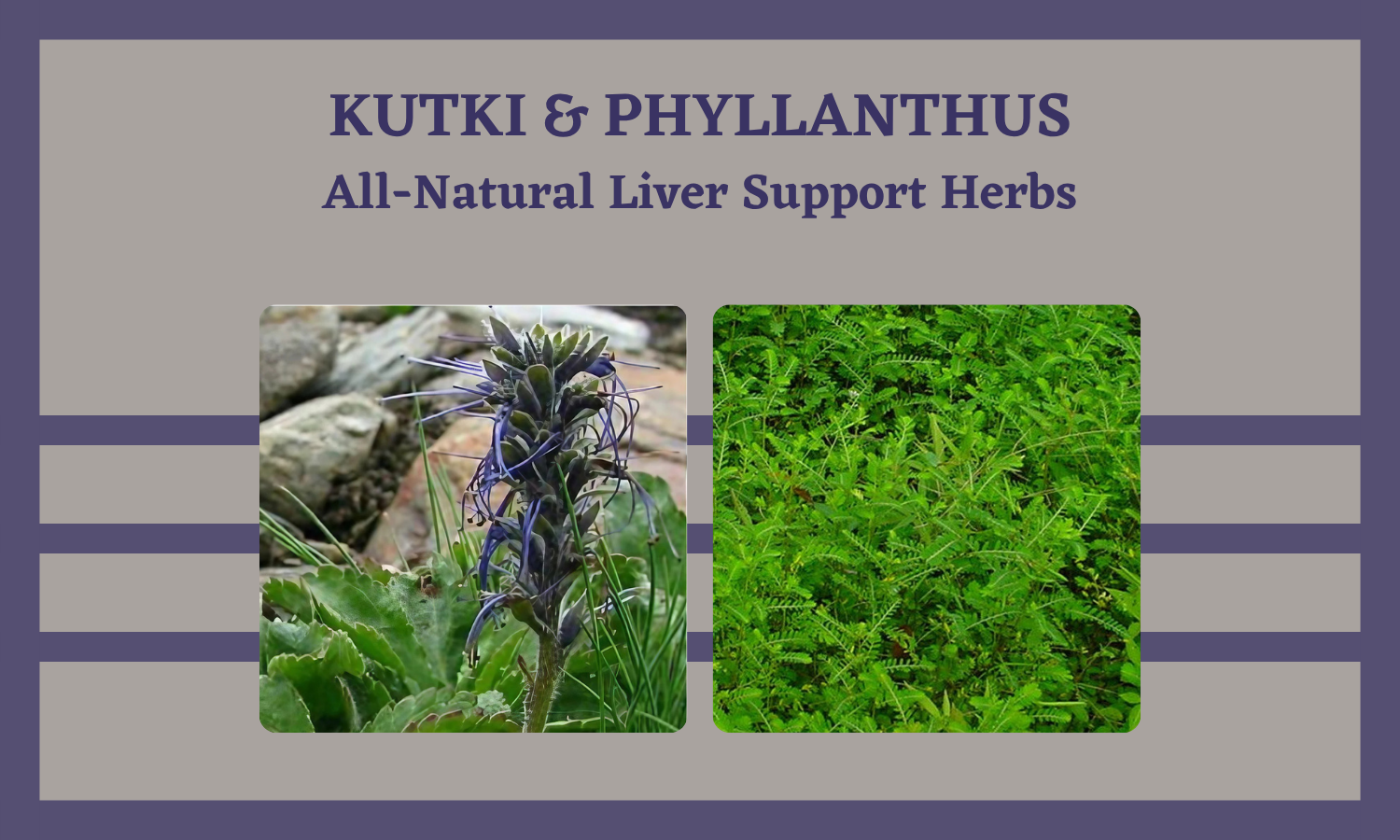
Herbal detox for liver health supports natural detoxification, bile flow, antioxidant defenses, and steady whole-body wellness daily. Search for herbal detox for liver and you’ll

All-natural, Mediterranean Cistus incanus (pink rock rose) makes an exceptionally healthy herbal tea. It’s our bestselling product. Pink rock rose, also known as Cistus incanus,
16 thoughts on “Cistus Tea: Cistus incanus Health Benefits”
Is it organic?
Hi Bonnie thanks for asking.
Our Cistus grows in the mountains of Crete. There are no pesticides, fertilizers, or supplemental sources of water used in the production of the plants. The land that it grows on has not been previously used for industrial farming. Greece does not offer a certificate or organic designation for wild collected herbs. However, the growth, collection and processing of the Cistus that we offer all conform to the standards for what is generally understood as organic. Learn more about our Cistus incanus (cretius) here: httpss://lindenbotanicals.com/faq/cistus-incanus-faq/
How do I order product? Do you have a phone number I can call?
Patricia,
Thank you for reaching out! You can place an order securely from our website: http://www.lindenbotanicals.com/products. We are unable to take phone orders.
Note that I also replied to your email address.
Wishing you the best of health,
Carolyn
—
http://www.LindenBotanicals.com
Hello! I wanted to know if it can be taken as a tea daily for a prolonged period to time or it has to be taken for short periods? And what about children, can they trink it to benefit from it or is it unsuitable for them? Thnx a lot?
Hi thanks for the questions.
Cistus Tea is generally considered safe for children and adults. We base our suggested use amounts on a 150lb adult in average
health. If the child weighs substantially less, consider reducing the amount used. If your child is under 5 years of age
please check with your pediatrician.
Used in moderation there should be no issue related to regular use. We have more information on our FAQ page and its links.
httpss://lindenbotanicals.com/faq/cistus-incanus-faq/
We have enjoyed this tea? benefits for Lyme are real.? thanks to you for sharing info
Eliza, thank you for sharing your experience. We are glad that you enjoy the tea.
Are there any known side effects. Like allergy related!
Hi Renee, thanks for asking. There generally not known allergic reactions. If you have a history of reaction to any of the phytoconstituents of Cistus, please consult your physician prior to use.
I have bone spurs which causes my ankle to ache, could this tea help reduce swelling and calm the ache?
I don’t want to take any Advil, etc on a regular basis, would rather use a natural product. I would be buying the extract as it’s ready to go. Thank you, Leslie
Hi Leslie, thanks for reaching out.
You have asked whether Cistus tea might be helpful for the pain and swelling associated with bonespurs. For inflammation and mild analgesic support we suggest that you look at a combination of Paeonia lacitflora and Phyllanthus niruri. Both of these are available as extracts.
I just love your cistus tea
Can I use the leaves for a second brew?
Hi Dawn, great to hear that you are enjoying your Cistus. thanks for asking about a second brew.
We do not recommend using a second or third brew independently. There is a brew method that involves multiple brews, but this method, called stepped brewing, combines the separate decoctions into a single batch for drinking.
While your second brew will look and even taste potent, there will be a significant portion of phytochemicals that were fully extracted during the first brew. The subsequent brews will be lacking these constituents. That said, there is nothing wrong with enjoying the second brew for the pleasure of drinking it. It will not be harmful and while missing some consitituents, will still have some beneficial effect.
In summary, as long as the second brew is not used as a replacement for a fresh brew, go for it.
hello,
due to cancer history, I have to avoid herbs that are phytoestrogens. does cistus contain plant oestrogen? Thank you
lexi
Hi Lexi, thanks for asking. We are not aware of any phytoestrogens in Cistus incanus. However, please check with your integrative medical professional before starting any herbal supplement.