
Best Female Hormone Balance Supplements
The best female hormone balance supplements support reproductive wellness, stress resilience, bone health, energy, and healthy aging. If you’re researching the best female hormone balance


All-natural, Mediterranean Cistus incanus (pink rock rose) makes an exceptionally healthy herbal tea. It’s our bestselling product.
Pink rock rose, also known as Cistus incanus, is one of the most interesting medicinal plants of the Mediterranean. Its delicate pink flowers don’t immediately suggest a botanical capable of thriving through intense sunlight, drought, rocky soils, high temperatures, and other environmental stresses. Yet those challenging growing conditions are part of what makes Cistus so remarkable.
To protect itself, the plant produces a rich assortment of phytochemicals, particularly polyphenols. Researchers have identified numerous phenolic compounds in Cistus incanus preparations and have explored the plant for antioxidant, antibacterial, antiviral, antifungal, anti-inflammatory, and other biological activities.
At Linden Botanicals, pink rock rose is especially personal to us because it has become one of our most versatile and popular herbs. Some people discover Cistus while looking for immune support. Others encounter it while researching Lyme disease, oral health, biofilms, or natural tick support. Many simply want a great-tasting, caffeine-free herbal tea they can incorporate into their daily wellness routine.
The more you learn about this plant, the clearer it becomes that Cistus is not a one-purpose herb.
Pink rock rose belongs to the Cistus genus, a group of hardy flowering shrubs that grow primarily throughout the Mediterranean region. Cistus species are remarkably well adapted to dry, sunny, rocky environments where many less-resilient plants struggle to survive.
Cistus incanus is commonly called Rock Rose, Pink Rock Rose, or Hairy Rock Rose. Its flowers have the characteristic crinkled appearance associated with the Cistus family, while its leaves contain many of the polyphenols and other compounds responsible for the plant’s scientific and medicinal interest.
It is important to understand that not everything marketed as “rock rose” is necessarily the same plant. The Cistus genus includes numerous species and hybrids, and different species can have meaningfully different phytochemical profiles. That is one reason botanical identity matters when choosing an herbal product.
Plants manufacture many of their most interesting compounds in response to the environments around them.
Mediterranean Cistus grows under considerable natural stress. It must tolerate long periods of limited rainfall, intense ultraviolet exposure, hot summers, rocky soils, and large seasonal changes. These conditions encourage the plant to produce protective secondary metabolites, including flavonoids, phenolic acids, ellagitannins, and other polyphenolic compounds.
Those substances perform protective functions for the plant. They also help explain the strong antioxidant activity associated with Cistus preparations. Researchers examining commercial Cistus incanus teas have documented substantial polyphenol diversity and found meaningful differences among products, reinforcing the importance of plant source and preparation.
We sometimes describe this simply as terroir matters. Soil, rainfall, temperature, sunlight, elevation, microbial relationships, harvest season, and other environmental factors all influence the chemistry of a medicinal plant.
Oxidative stress is a normal part of human biology, but excessive oxidative stress can damage cells, proteins, fats, and DNA. It develops when reactive molecules are generated faster than the body’s antioxidant systems can keep them under control.
The abundant polyphenols in pink rock rose can help support the body’s antioxidant defenses. This may have relevance throughout the body because oxidative stress is connected to aging, inflammatory signaling, cardiovascular health, skin integrity, immune function, and neurological wellness.
That doesn’t mean drinking Cistus tea prevents every disease associated with oxidative stress. It means that a polyphenol-rich botanical can be one part of a diet and lifestyle designed to provide ongoing cellular protection.
This is one reason we view Cistus as an everyday wellness tea, not simply something to reach for when you are already feeling unwell.
One of the most researched and traditional applications of Cistus involves immune and respiratory support.
A healthy immune system needs balance. It has to recognize potential pathogens, mount an appropriate response, regulate inflammation, and then return to normal once the threat passes. Simply “boosting” the immune system as aggressively as possible isn’t necessarily the goal.
Cistus provides a collection of polyphenols and other constituents that researchers have investigated for interactions with viruses, bacteria, fungi, and immune-related processes. Experimental studies have demonstrated broad antimicrobial activities across members of the genus.
Its combination of antioxidant and microbial support makes pink rock rose particularly appealing during fall and winter, although its usefulness certainly doesn’t end when cold and flu season does.
One of the more important pieces of Cistus research involved 160 people with upper-respiratory tract infections.
In this prospective, randomized, placebo-controlled study, participants received either a polyphenol-rich Cistus preparation or placebo. Symptoms improved in both groups, but the decrease in symptom scores was significantly greater in the Cistus group. The researchers also examined C-reactive protein, an inflammatory marker.
Another clinical study involving 300 participants compared a Cistus preparation with green tea in people experiencing upper-respiratory infections and likewise reported favorable symptom results for Cistus.
These are encouraging findings, but they should be described accurately. They do not establish pink rock rose tea as a cure for influenza, COVID-19, or another viral illness. They provide human evidence supporting further study of a plant already valued traditionally for respiratory wellness.
Laboratory research provides another piece of the story.
A polyphenol-rich Cistus incanus extract has shown activity against several influenza strains in cell cultures. Researchers proposed that Cistus polyphenols interact with viral surface structures and interfere with the virus’s ability to attach successfully to host cells. Related research found antiviral effects in cell culture and an influenza mouse model.
Other laboratory work has demonstrated antiviral activity against additional enveloped viruses, including HIV, although an in-vitro result should never be interpreted as evidence that drinking Cistus tea treats HIV or another serious viral infection in people.
The distinction between laboratory and clinical evidence is important. What the laboratory findings tell us is that the plant’s polyphenols interact with viruses in biologically interesting ways. They help explain why Cistus continues to generate scientific interest.
Cistus also has a history of use for microbial and inflammatory concerns involving the mouth, skin, respiratory tract, and gastrointestinal system.
Modern laboratory research supports antibacterial activity, although the strength of that activity varies by organism, extract, and experimental method.
We don’t think of pink rock rose as a botanical substitute for antibiotics. That framing oversimplifies both medicinal plants and conventional antimicrobial treatment. Instead, Cistus is a chemically diverse botanical whose constituents can interact with microbial growth, attachment, and other processes.
That broader perspective becomes particularly interesting when we look at biofilms.
A biofilm is a community of microorganisms living within a protective matrix. Rather than existing only as isolated, free-floating cells, bacteria and other microbes can attach to surfaces, communicate with one another, and form organized communities.
Dental plaque is a familiar example.
Biofilms attract considerable medical interest because microorganisms within them may behave differently from their free-floating counterparts and may be more difficult for antimicrobial agents or immune defenses to reach.
One human in-situ study specifically examined Cistus tea and early oral biofilm formation. Researchers found that rinsing with the tea significantly reduced initial bacterial adhesion to dental surfaces.
Another study comparing polyphenol-rich beverages found that Cistus tea was among the beverages associated with the lowest levels of initial bacterial adherence.
This research is considerably more precise than saying Cistus simply “breaks down every biofilm.” What we know is that Cistus polyphenols can influence microbial adhesion and have demonstrated antibiofilm-related activity in several experimental settings.
Cistus has become particularly well known within the Lyme disease community.
Lyme disease is a bacterial infection, usually caused in North America by Borrelia burgdorferi, transmitted through infected blacklegged ticks. Antibiotics are the established treatment for Lyme disease, particularly when infection is identified early.
Many people dealing with persistent or complex symptoms also explore complementary herbal support.
Cistus is interesting in this context for several reasons. Its antioxidant properties may help support the body during periods of increased inflammatory and oxidative stress. Its broader antimicrobial activity has also prompted researchers to test it directly against Borrelia burgdorferi.
In a laboratory study evaluating botanical medicines against B. burgdorferi, Cistus was one of seven natural products that demonstrated activity against stationary-phase cultures at the concentrations tested. Cryptolepis sanguinolenta demonstrated particularly strong activity and was the only tested botanical in that study to eradicate stationary-phase organisms in subsequent subculture testing.
That is promising in-vitro research, not evidence that Cistus tea cures Lyme disease in people.
At Linden Botanicals, we include Cistus extract alongside Cryptolepis and Phyllanthus niruri in our Persister Desister Lyme Disease Support Kits. Each herb has a different role: Cryptolepis provides targeted antimicrobial support, Cistus contributes polyphenol, immune, antioxidant, and biofilm-related support, and Phyllanthus helps support liver, kidney, and other natural elimination pathways.
Linden Botanicals currently offers Cistus incanus individually as well as in Persister Desister and ShieldsUp! formulations.
The goal is complementary support, not replacement of medical evaluation or treatment.
For more information, check out the Persister Desister FAQ and the Essential Guide to Herbal Support for Lyme Disease.
Cistus has also been researched for antifungal properties.
Laboratory research has reported activity of Cistus preparations against Candida species, adding another dimension to the plant’s broader antimicrobial profile. This fits with the long history of Cistus species being used for infectious and inflammatory concerns involving several body systems.
As with the antiviral and antibacterial research, laboratory antifungal activity should not be interpreted as proof that drinking Cistus tea treats a diagnosed fungal infection. Persistent or recurrent candidiasis should be evaluated appropriately.
The research nevertheless reinforces the remarkable breadth of Cistus phytochemistry.
The oral-health applications of Cistus deserve more attention than they usually receive.
Your mouth contains a complex microbiome, and maintaining oral wellness is not simply a matter of eliminating all microorganisms. Healthy oral ecology involves controlling excessive pathogenic growth while maintaining a balanced microbial environment.
Because Cistus tea has demonstrated an ability to reduce initial bacterial attachment to tooth surfaces, some people use cooled Cistus as an herbal mouth rinse in addition to drinking it.
It should complement rather than replace brushing, flossing, professional cleanings, and dental care. But it provides a practical example of how a traditional herbal beverage can have applications beyond simply being swallowed.
Cistus has a long traditional association with wounds, skin, and beauty, and the antioxidant profile of the plant makes that history especially interesting.
Skin is continually exposed to sunlight, pollution, oxidative stress, inflammation, and normal biological aging. Over time, these stresses influence collagen, cellular repair, pigmentation, hydration, and elasticity.
Polyphenol-rich foods and herbs help provide antioxidant protection from within. Cistus also has a traditional history of topical application for irritated skin and minor wounds.
For people managing chronic conditions such as eczema or psoriasis, however, Cistus should be considered supportive rather than curative. These conditions can have complex immune, genetic, environmental, and barrier-related causes and may require professional care.
Rather than promising that pink rock rose will “clear” a particular skin disorder, we prefer to emphasize what the herb does exceptionally well: provide polyphenol-rich antioxidant and healthy inflammatory-response support.
Cistus species have also been used traditionally for gastrointestinal disorders, particularly in Mediterranean herbal medicine.
The plant’s tannins contribute mild astringency, while its polyphenols, antioxidant properties, and microbial effects make it an interesting candidate for digestive-health research.
The digestive tract is also closely connected to immune function. The intestinal barrier interacts continuously with microorganisms, nutrients, immune cells, and signaling molecules. Supporting a healthy gastrointestinal environment therefore has implications that extend beyond digestion alone.
Much remains to be learned about how regular Cistus consumption influences the human gut microbiome, so we would not make broad claims about “healing the gut.” Its traditional digestive uses and rich phytochemical profile nevertheless make this an important part of the plant’s story.
This is one of the most intriguing and increasingly popular uses of Cistus, but it is also an area where evidence needs to be described carefully.
Regular Cistus drinkers sometimes report fewer mosquito bites and fewer attached ticks. Traditional observations involving animals in Cistus-growing regions have contributed to this reputation as well. Linden Botanicals receives similar reports from customers.
The proposed explanation is that regular internal use may influence skin chemistry or scent cues used by biting insects when locating a host. Cistus contains aromatic compounds from chemical families that include constituents known to influence insect behavior in other botanical systems.
What we don’t have is a large, controlled human clinical trial demonstrating that drinking pink rock rose reliably prevents tick or mosquito bites.
That means Cistus incanus should be treated as an additional layer of support rather than a replacement for established precautions. Wear appropriate clothing, perform tick checks, manage tick habitat around the home, and use proven repellents when circumstances warrant them.
For people interested in this traditional application, consistency appears to matter. Unlike a topical spray, internally consumed Cistus isn’t expected to provide immediate protection. Many regular users begin several days before heavy outdoor exposure and continue through tick and mosquito season.
Cistus can be given to dogs as brewed and cooled tea or as loose plant material mixed into food. Based on observational experience, it appears to require approximately five to seven days of consistent use before people typically notice an effect.
It is important to keep expectations realistic. Cistus for dogs should be considered an adjuvant, not a substitute for veterinarian-recommended tick, flea, or mosquito prevention. Ticks can carry serious diseases, and no botanical should be presented as guaranteed protection.
Linden Botanicals uses body weight as the general usage index for dogs and provides detailed guidance in our Cistus-for-dogs educational resource.
We do not make the same safety recommendation for cats because reliable feline-specific information is lacking. Anyone considering Cistus for a cat should discuss it with a veterinarian first.
Few herbs fit the seasons quite like Cistus.
In the summer, people are often interested in its potential role in natural tick and mosquito support. Cooled Cistus also makes an excellent caffeine-free drink for hiking, gardening, camping, and long outdoor days.
In the winter, priorities shift toward immune and respiratory health. That’s when the clinical research involving upper-respiratory symptoms and the laboratory studies of Cistus polyphenols become particularly relevant.
Yet the plant itself hasn’t changed. Antioxidant protection, oral health, microbial balance, and general wellness matter throughout the year.
We believe one of the most overlooked questions when purchasing medicinal herbs is simple:
Where did the plant grow?
At Linden Botanicals, we talk frequently about terroir. The concept is familiar in winemaking, but it applies equally well to medicinal herbs. Soil composition, sunlight, heat, rainfall, altitude, neighboring organisms, seasonal stress, and local ecology all influence plant chemistry.
Cistus is fundamentally a Mediterranean plant. Its capacity to thrive in dry, rocky landscapes is part of its botanical identity. The environmental pressures experienced by wild plants help shape the secondary metabolites they manufacture.
Research examining different commercial Cistus products has demonstrated measurable differences in phenolic composition, reinforcing the point that not every package labeled Cistus incanus is chemically identical.
Linden Botanicals sources its Cistus from Crete, one of the plant’s ancestral Mediterranean homes. The island has a long history of Cistus use extending back to ancient Mediterranean cultures, while its mountainous terrain, strong sunlight, dry summers, and challenging soils provide an ideal environment for the plant.
Our Cistus grows wild rather than being forced through intensive greenhouse cultivation. It is responsibly collected and carefully processed by people experienced with Mediterranean medicinal plants.
Harvest timing matters as well. We favor spring-harvested aerial plant material, including a balanced combination of leaves, buds, flowers, and tender stems.
These details matter because a medicinal herb is not simply a commodity. Species, geography, environmental stress, harvest, plant part, drying, cutting, storage, and freshness all affect what ultimately goes into your cup.
The popularity of Cistus has created an increasingly crowded marketplace, and products can differ substantially in quality.
Rather than simply looking for the cheapest bag labeled “rock rose,” ask a few questions.
Look for a clearly identified Cistus product rather than an unspecified “rock rose” blend. Common names can be applied to several different species.
Different Cistus species may all have botanical value, but they shouldn’t automatically be treated as chemically interchangeable.
We strongly prefer Mediterranean Cistus grown within the kind of climate where the plant naturally thrives.
Geographic origin alone doesn’t guarantee quality, but it provides important information about the environment responsible for shaping the plant.
Wild-growing and intensively cultivated herbs don’t necessarily develop identical phytochemical profiles.
Cultivation isn’t automatically bad, and responsible agriculture has many advantages. But plants protected from sun, drought, insects, temperature variation, and nutrient stress may experience a different chemical environment from their wild counterparts.
Plants change chemically through the seasons. A spring harvest can differ from material collected from the same location months later.
This is the kind of information a knowledgeable botanical supplier should understand.
Large intact leaves may look attractive, but appearance isn’t the only consideration. The way Cistus is cut affects water contact and extraction during brewing.
The goal is a cut that exposes adequate surface area while avoiding excessive pulverization.
A company should be able to discuss where its herb came from, how it was processed, what species it is, and how it approaches quality control.
A beautiful package cannot compensate for a poorly understood plant.
Once you have good Cistus, water and preparation matter.
Research has shown that brewing conditions can significantly influence how much of the plant’s phenolic content remains available in the finished infusion. Water mineral content is particularly important because minerals can promote precipitation of some polyphenolic compounds, a phenomenon sometimes called tea creaming.
For this reason, Linden Botanicals recommends distilled or appropriately filtered low-mineral water when practical.
Our French press approach is designed to provide prolonged contact between the plant material and hot water while making it easy to prepare enough tea for several servings.
The current Linden Botanicals brewing guidance uses approximately 13 grams of tea for one liter of low-mineral water and an extended steep.
Medicinal teas sometimes have a reputation for being something you tolerate rather than enjoy.
Cistus is different.
Pink rock rose creates a mild, aromatic infusion with earthy, slightly floral, resinous, and pleasantly tannic characteristics. It has enough structure to taste interesting without the intense bitterness found in many traditional medicinal herbs.
It can be enjoyed hot, at room temperature, or chilled.
That makes a difference for long-term use. The best daily wellness practice is generally one you’re willing to continue, and we frequently hear from people who started drinking Cistus for a particular health goal and continued simply because they enjoy the tea.
Cistus is valuable enough to stand on its own, but its broad properties also make it a natural fit within multi-herb strategies.
Linden Botanicals sells Cistus individually as looseleaf herbal tea and herbal extract. It is also currently included in two of our proprietary wellness kits.
ShieldsUp! Immune Support Kits use Cistus incanus as part of a broader collection of extracts selected for immune resilience, antioxidant protection, and seasonal wellness.
Persister Desister Lyme Disease Support Kits combine Cistus with Cryptolepis sanguinolenta and Phyllanthus niruri. Cryptolepis contributes antimicrobial support, Phyllanthus supports liver, kidney, immune, and antioxidant pathways, and Cistus provides complementary polyphenol, immune, microbial-adhesion, and biofilm-related support.
We like this approach because complex wellness challenges rarely involve only one biological system.
There are medicinal plants with longer histories. There are herbs better known in the United States. And there are certainly botanicals marketed with more dramatic promises.
Few, however, offer the unusual breadth of Cistus.
Pink rock rose provides:
Just as importantly, Cistus offers an opportunity to understand something fundamental about medicinal plants: quality begins long before an herb reaches the package.
The species matters. The Mediterranean environment matters. Wild growth matters. Harvest timing matters. Processing, freshness, brewing water, and preparation matter.
At Linden Botanicals, we source wild-growing Mediterranean Cistus from Crete because we believe those details translate into a better botanical and a better cup of tea.
If you are just discovering Cistus, start with the tea.
It’s one of the easiest ways to become familiar with the plant, its flavor, and the ritual of incorporating it into everyday life. You can also explore Cistus as an herbal extract or as part of ShieldsUp! or Persister Desister, depending on your wellness priorities.
Our comprehensive Cistus FAQ provides a deeper look at sourcing, health research, traditional uses, brewing, Lyme support, natural insect support, and Cistus for dogs.
Pink rock rose isn’t a miracle plant, and we don’t believe medicinal herbs need miracle claims to be remarkable. Its long Mediterranean history, unusually rich phytochemistry, emerging human research, broad laboratory evidence, and real-world versatility make Cistus incanus compelling on their own.
For us, that’s more than enough reason to keep the kettle handy.
To learn more, check out the Cistus incanus FAQ and Lyme disease resources.
Buy CistusThe best female hormone balance supplements support reproductive wellness, stress resilience, bone health, energy, and healthy aging. If you’re researching the best female hormone balance

A natural kidney detox cleanse supports healthy filtration, urinary function, and kidney wellness with thoughtful daily habits. If you’re searching for a natural kidney detox
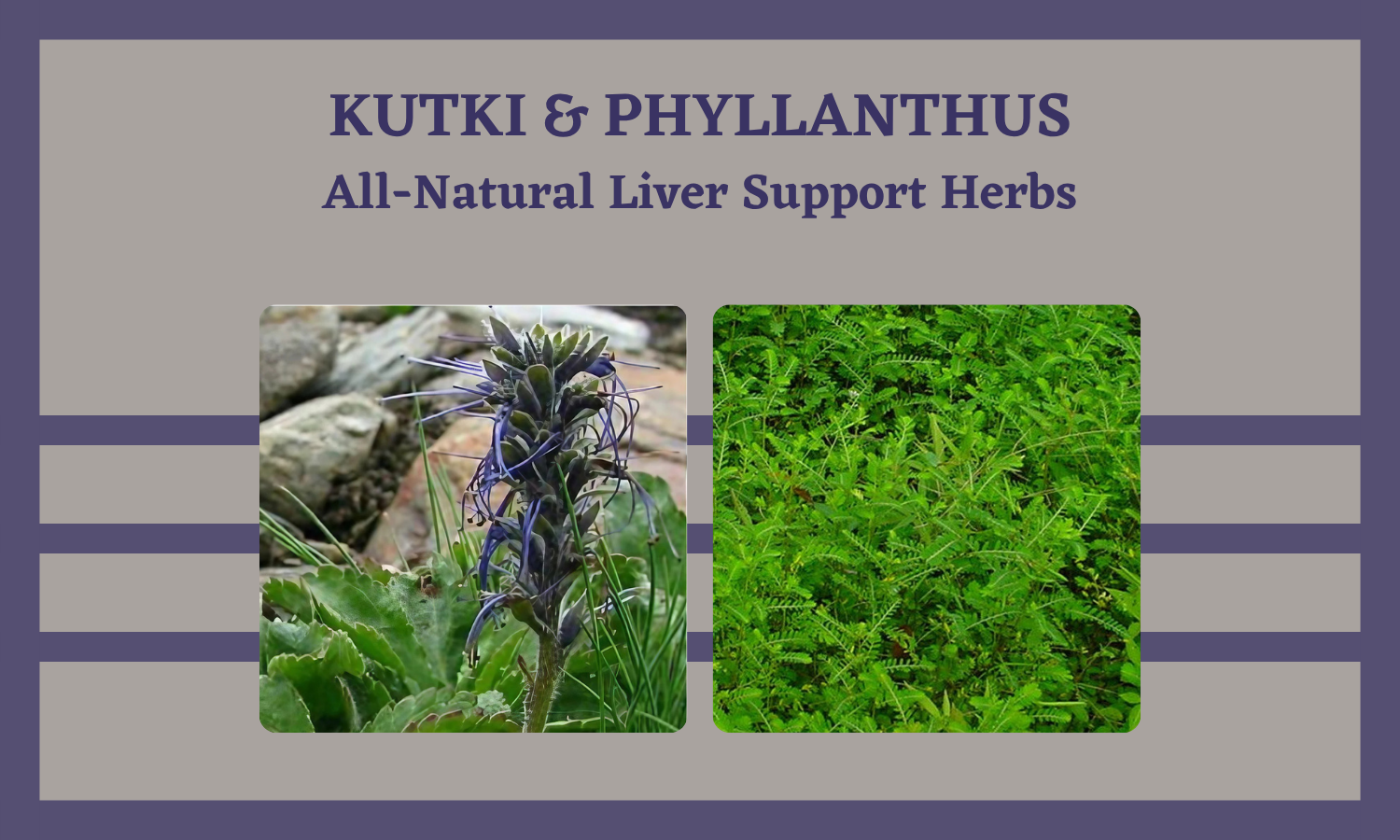
Herbal detox for liver health supports natural detoxification, bile flow, antioxidant defenses, and steady whole-body wellness daily. Search for herbal detox for liver and you’ll

All-natural, Mediterranean Cistus incanus (pink rock rose) makes an exceptionally healthy herbal tea. It’s our bestselling product. Pink rock rose, also known as Cistus incanus,