
Natural Kidney Detox Cleanse
A natural kidney detox cleanse supports healthy filtration, urinary function, and kidney wellness with thoughtful daily habits. If you’re searching for a natural kidney detox


What makes our Tulsi different? We sell 100% Krishna Tulsi herbal extract — no blends or fillers.
If you’ve been exploring natural ways to support stress management, energy, and long-term health, you’ve likely come across Krishna Tulsi.
Sometimes called Holy Basil or Ocimum sanctum, Tulsi has been used as an herbal therapeutic for more than 3,000 years. It holds a unique place in Ayurvedic medicine—not just as a remedy for specific conditions, but as a plant associated with balance, clarity, and resilience.
But here’s something that often gets overlooked: not all Tulsi is the same.
Among the varieties described in traditional Ayurvedic texts, Krishna Tulsi is generally considered the most potent. And once you understand how it works—and how it’s traditionally used—it becomes clear why it continues to be such a meaningful part of both ancient and modern wellness practices.
Tulsi is not a single plant, but a family of closely related varieties. In Ayurveda, four types are most often referenced: Rama Tulsi (with green leaves), Vana Tulsi (a wild-growing variety), Kapoor Tulsi (aromatic and commonly cultivated), and Krishna Tulsi, which is distinguished by its deep purple leaves.
Each has its place. But Krishna Tulsi has long been regarded as the most therapeutically valuable, in part because of its richer phytochemical profile.
That deep purple color reflects a concentration of beneficial compounds—things like eugenol, ursolic acid, and a wide range of flavonoids and polyphenols. These compounds contribute to the herb’s ability to support stress response, immune balance, and inflammatory regulation.
In traditional systems, Krishna Tulsi is not just used occasionally. It’s used consistently—often as part of daily life.
Most people don’t seek out herbs like Krishna Tulsi because everything feels perfectly balanced.
They seek it out because something feels off.
Maybe it’s low-grade, persistent stress. Maybe it’s fatigue that doesn’t fully resolve with rest. Maybe it’s that feeling of being slightly overwhelmed, even when nothing seems obviously wrong.
Modern life has a way of creating exactly that kind of background noise in the body.
Deadlines, travel, inconsistent sleep, processed foods, constant digital input—these don’t just affect the mind. They create a physiological stress load that influences hormones, inflammation, immune function, and energy production.
Over time, that load adds up.
This is where Krishna Tulsi becomes relevant—not as a quick fix, but as a way to help the body recalibrate. (You can learn more about Tulsi tea for stress relief here.)
Krishna Tulsi is considered an adaptogen, which means it helps the body respond more effectively to stress.
That doesn’t mean it stimulates or sedates. It means it supports regulation.
More specifically, Krishna Tulsi appears to influence:
When these systems are out of balance, the effects show up in subtle but meaningful ways—fatigue, irritability, poor sleep, difficulty concentrating, or feeling like your body is constantly playing catch-up.
Krishna Tulsi doesn’t override these systems. It supports them, helping the body move back toward a more stable baseline.
That’s part of why it’s been used traditionally for such a wide range of concerns—from mood and stress to immune resilience and long-term vitality.
While Tulsi’s traditional use spans thousands of years, modern research has begun to catch up, offering insight into why it’s been valued for so long.
Studies suggest that Tulsi may help reduce perceived stress and support mood balance, likely through its effects on cortisol and neurotransmitter regulation. (Here are a few of the studies: this one, this one, and this one). There is good reason to believe that a lifestyle-related approach to optimal health will benefit from support with Tulsi as a health supplement.) It’s also been studied for its anti-inflammatory and antioxidant properties, both of which play a role in long-term health and resilience.
In addition, Tulsi appears to support immune function—not by overstimulating it, but by helping regulate it. This distinction matters, particularly in a world where immune systems are often either underperforming or overreacting.
There is also emerging interest in Tulsi’s role in metabolic health, including its potential to support healthy blood sugar levels and reduce oxidative stress associated with modern diets and lifestyles.
Taken together, the research reinforces what traditional systems have long understood: this is not a single-purpose herb. It’s a broad-spectrum support plant.
If you’ve spent any time looking for Tulsi products, you’ve probably noticed how widely available they are. They show up in teas, capsules, powders, and blends across grocery stores, online marketplaces, and supplement brands.
That accessibility is a good thing—but it also creates confusion.
Many products labeled “Tulsi” are actually blends, often containing only a small percentage of Tulsi, and not necessarily the Krishna variety. Others may use lower-quality plant material or include fillers that dilute the overall effect.
This is one of those areas where the details matter.
Krishna Tulsi is valued not just because it is Tulsi, but because of its specific phytochemical profile and traditional use. When that specificity is lost, the experience can be very different.
At Linden Botanicals, we’ve chosen to work specifically with 100% Krishna Tulsi, rather than blends or mixed formulations.
There are a few reasons for that.
First, purity matters. When you’re working with a single, well-sourced plant, you know exactly what you’re getting. There’s no dilution, no ambiguity, and no need to guess at proportions.
Second, sourcing matters. Our Krishna Tulsi comes from northern India, where the plant is grown in conditions that support its natural development. Geography, climate, and cultivation practices all influence the final product.
And third, consistency matters. When people incorporate an herb into their daily routine, they should be able to rely on a consistent experience. That’s much easier to achieve with a single, high-quality plant than with a blended product.
One of the reasons Krishna Tulsi has endured for so long is its simplicity.
It doesn’t require a complicated protocol or a major lifestyle overhaul. It fits into what you’re already doing.
A common approach is to prepare it as a tea. Adding a small amount of the extract—about a quarter teaspoon—to hot water creates a simple, grounding drink that can be used once or multiple times throughout the day.
Some people prefer to mix it into juice or smoothies, especially if they’re already using other herbs or supplements. There’s flexibility in how it’s used, which makes it easier to maintain consistency.
And consistency, more than anything, is what allows an herb like Krishna Tulsi to do its work.
There’s also something to be said for the ritual itself.
In a world that moves quickly, small daily practices matter. Taking a few minutes to prepare a cup of tea—especially something as grounding as Krishna Tulsi—can create a pause in the day.
It’s not just about the herb. It’s about the moment.
That combination—physiological support paired with a consistent daily rhythm—is part of what makes Tulsi so effective over time.
There’s a growing understanding that health isn’t built through isolated actions. It’s built through patterns.
Krishna Tulsi fits naturally into that framework.
It’s not a replacement for good nutrition or adequate rest. But it supports the systems that make those things more effective. It helps the body respond, adapt, and recover.
And that’s often what people are really looking for.
In many ways, Krishna Tulsi represents a different approach to health—one that is less about intervention and more about support.
It doesn’t force change. It encourages balance.
It doesn’t promise overnight results. It rewards consistency.
Used regularly, it can help support stress resilience, immune function, and overall well-being in a way that feels sustainable rather than extreme.
And in a world full of complex solutions, there’s something refreshing about that.
If you’re looking for a place to start—or something simple to return to—Krishna Tulsi remains one of the most time-tested and reliable herbal allies available.
We sell Krishna Tulsi in a 50-serving size as AHHH! Stress Relief Support. We also sell Tulsi in larger sizes. To learn more, a good place to start is with the Tulsi FAQ. The FAQ provides a more comprehensive list of benefits. It contains lots of science-based information about this amazing herb and the equally amazing tea you can make from it.
Shop NowA natural kidney detox cleanse supports healthy filtration, urinary function, and kidney wellness with thoughtful daily habits. If you’re searching for a natural kidney detox
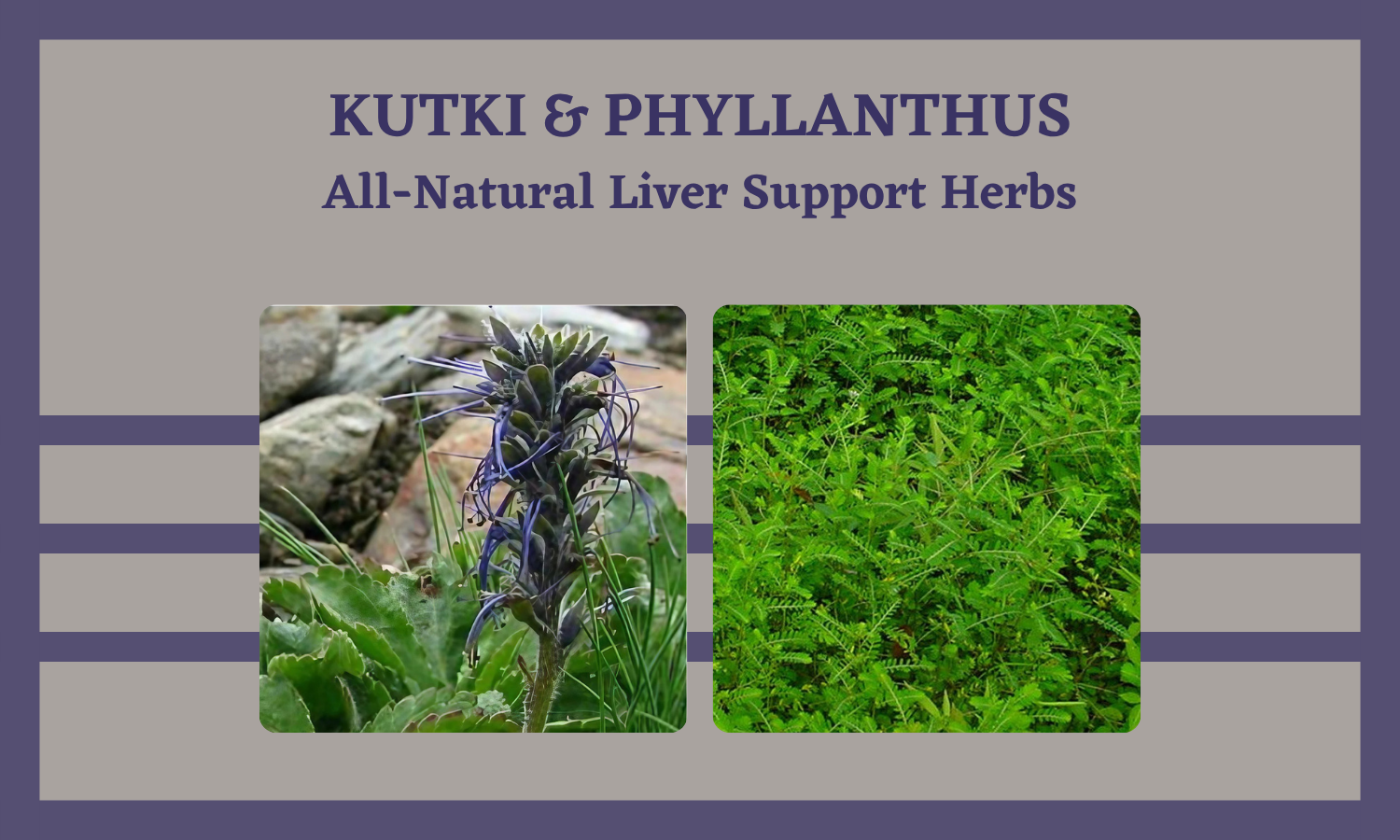
Herbal detox for liver health supports natural detoxification, bile flow, antioxidant defenses, and steady whole-body wellness daily. Search for herbal detox for liver and you’ll

All-natural, Mediterranean Cistus incanus (pink rock rose) makes an exceptionally healthy herbal tea. It’s our bestselling product. Pink rock rose, also known as Cistus incanus,
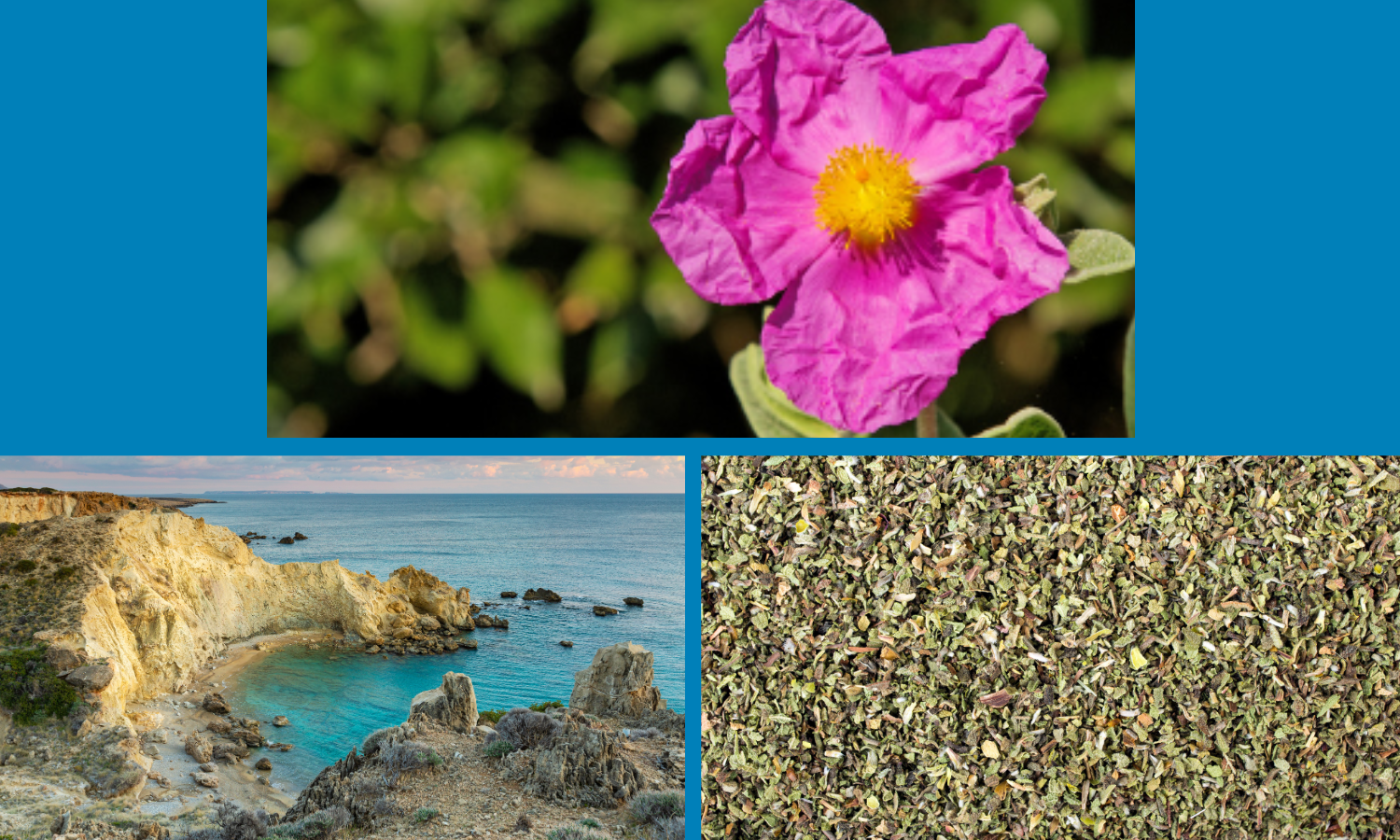
Rock Rose tea provides polyphenol-rich antioxidant, immune, antimicrobial, and seasonal wellness support from the Mediterranean Cistus plant. Rock Rose tea has been part of Mediterranean