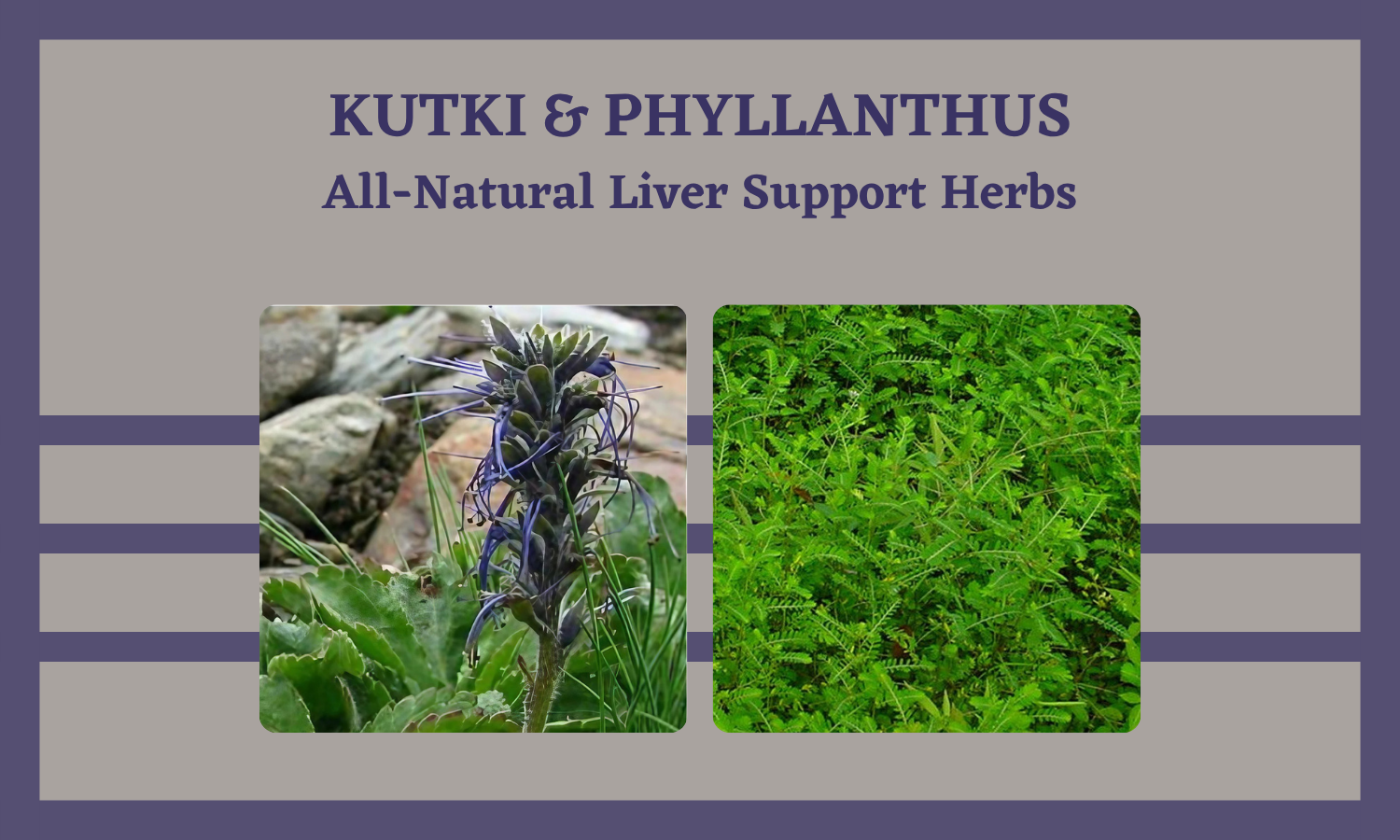
Chanca Piedra gallstones support and kidney stone support are two health benefits of Phyllanthus niruri herbal tea from Peru.
Gallstones are a common digestive health issue affecting millions of people worldwide. These small, hardened deposits form in the gallbladder, a small organ located beneath the liver that stores bile used to help digest fats. Gallstones can range in size from tiny grains of sand to larger stones the size of a golf ball. Most gallstones are made primarily of cholesterol, although some consist of bilirubin or a combination of substances.
Many people with gallstones experience no symptoms at all. However, when gallstones block the bile ducts or interfere with normal bile flow, they can cause significant discomfort and potentially serious complications. Symptoms may include abdominal pain, nausea, bloating, indigestion, gallbladder inflammation, or even pancreatitis in more severe cases. Risk factors associated with gallstones include obesity, rapid weight loss, diets high in fat and cholesterol, diabetes, liver disease, hormonal changes, and certain genetic predispositions.
Because gallstones are often linked to bile composition, inflammation, and digestive health, many people explore natural approaches that may help support healthy gallbladder function. One herb that has received growing attention is Phyllanthus niruri, commonly known as Chanca Piedra or “Stone Breaker.”
Native to the Amazon rainforest, Chanca Piedra has been used for generations in traditional herbal medicine to support kidney, liver, and gallbladder health. Researchers continue to study its potential role in promoting healthy bile flow, supporting the body’s natural elimination processes, and helping reduce the formation of mineral deposits such as kidney stones and gallstones.
Below, we’ll review gallstone symptoms, along with Chanca Piedra gallstones support strategies.
Gallstones Symptoms and Support Strategies
Gallstone symptoms can vary, but common signs include sudden and intense pain in the upper right abdomen that may radiate to the back or right shoulder. This pain can last for several hours and may be accompanied by nausea, vomiting, and bloating.
Some people also experience indigestion, gas, and changes in bowel habits, like clay-colored stools or dark urine. Jaundice, characterized by yellowing of the skin and eyes, can occur if a gallstone blocks the bile duct.
Supporting and treating gallstones typically involves a combination of lifestyle changes, medications, and sometimes surgical procedures, depending on the severity of symptoms and the size of the gallstones.
Here are five common ways to support and help to treat gallstones:
- Healthy Diet: Adopting a low-fat, high-fiber diet can help reduce the risk of gallstone formation and alleviate symptoms. Avoiding fried foods, fatty meats, and processed foods is often recommended. As we’ll discuss further below, all-natural Chanca Piedra gallstones support may also support overall dietary needs.
- Hydration: Drinking plenty of water throughout the day can help keep bile diluted and prevent the formation of gallstones.
- Medications and Pain Management: Ursodeoxycholic acid (UDCA) is a medication that can help dissolve cholesterol gallstones over time. It’s often prescribed for individuals who are not suitable candidates for surgery. Over-the-counter pain relievers like ibuprofen or prescription medications can help manage pain associated with gallstones.
- Surgical Procedures: For symptomatic gallstones or complications, surgical removal of the gallbladder (cholecystectomy) is often recommended. This can be done through traditional open surgery or minimally invasive laparoscopic surgery.
- Endoscopic Procedures: In some cases, gallstones blocking the bile duct can be removed using endoscopic retrograde cholangiopancreatography (ERCP) or percutaneous transhepatic cholangiography (PTC).
If you have asymptomatic gallstones, regular check-ups and imaging tests may be recommended to monitor their size and ensure they are not causing any health complications.
Chanca Piedra Gallstones Support
Phyllanthus niruri, commonly known as Chanca Piedra or “Stone Breaker,” has been used for generations throughout South America to support kidney, liver, and gallbladder health. Native to the Amazon rainforest, this remarkable herb has earned a reputation as one of nature’s most respected botanical supports for kidney stones and gallstones. In traditional herbal medicine, Chanca Piedra tea and extracts have long been used to help promote healthy bile flow, support urinary tract health, and assist the body’s natural elimination processes.
Researchers have identified more than 100 bioactive compounds in Chanca Piedra, including alkaloids, flavonoids, lignans, and polyphenols that may contribute to its wide range of health-supporting properties. The herb is also valued for its antioxidant and adaptogenic characteristics, which may help the body respond more effectively to physical stress and inflammation.
One reason Chanca Piedra is so closely associated with gallstones is its potential ability to support healthy bile production and bile duct relaxation. Some studies and traditional reports suggest that the herb may help reduce excess cholesterol accumulation in bile while also encouraging smoother bile flow. This combination may help the body naturally manage small gallstones and support gallbladder function.
Chanca Piedra is perhaps best known for its connection to kidney stone research. In one clinical study, participants with kidney stones took approximately one teaspoon of Chanca Piedra daily for 12 weeks. By the end of the study, many participants experienced a reduction in both the number and size of kidney stones, and a significant percentage no longer showed evidence of stones.
While kidney stones and gallstones are different conditions, researchers continue to explore the herb’s broader role in supporting healthy mineral balance and preventing crystal buildup within the body.
Importantly, Chanca Piedra does not literally “break” stones apart. Instead, researchers believe the herb may help by supporting several natural processes within the body. It may help reduce the accumulation of calcium oxalate crystals, smooth rough stone surfaces, relax urinary and biliary tract muscles, and promote easier passage of small stones. Some compounds in Chanca Piedra may also interact with crystal formation itself, helping create smaller, less jagged mineral deposits that are easier for the body to eliminate.
The herb’s natural diuretic properties may provide additional support by encouraging healthy urine flow and helping flush unwanted substances from the kidneys and urinary tract. At the same time, its smooth muscle-relaxing effects may help ease spasms and discomfort commonly associated with stone passage.
Today, many people use Chanca Piedra herbal tea or herbal extract as part of a broader wellness approach to support kidney and gallbladder health naturally. The Chanca Piedra FAQ is a good place to learn more about Chanca Piedra gallstones support and kidney stone support. As with any herbal supplement, people with existing gallstones, kidney conditions, or other medical concerns should consult a qualified healthcare professional before use.
Try Chanca Piedra from Linden Botanicals
Studies suggest that Chanca Piedra herbal tea has hepatoprotective, antiviral, antibacterial, hypolipidaemic, hypoglycaemic, analgesic, anti-inflammatory, cardioprotective, anti-urolithiatic, and anti-gout properties due its novel bioactive compounds.
Phytochemically rich Chanca Piedra (Phyllanthus niruri) has the potential to help many body systems. Studies show Chanca Piedra tea has powerful antibacterial, antiviral, and biofilm-breaking qualities. It may also offer significant immune support for relief of cold and flu symptoms, as well as help the immune and lymphatic systems combat viruses and bacteria.
Check out the Chanca Piedra FAQ for information about Chanca Piedra gallstones support and other health benefits, including kidney stone support, support for those suffering from Lyme disease, and immune health support.
SHOP NOW