
Natural Kidney Detox Cleanse
A natural kidney detox cleanse supports healthy filtration, urinary function, and kidney wellness with thoughtful daily habits. If you’re searching for a natural kidney detox


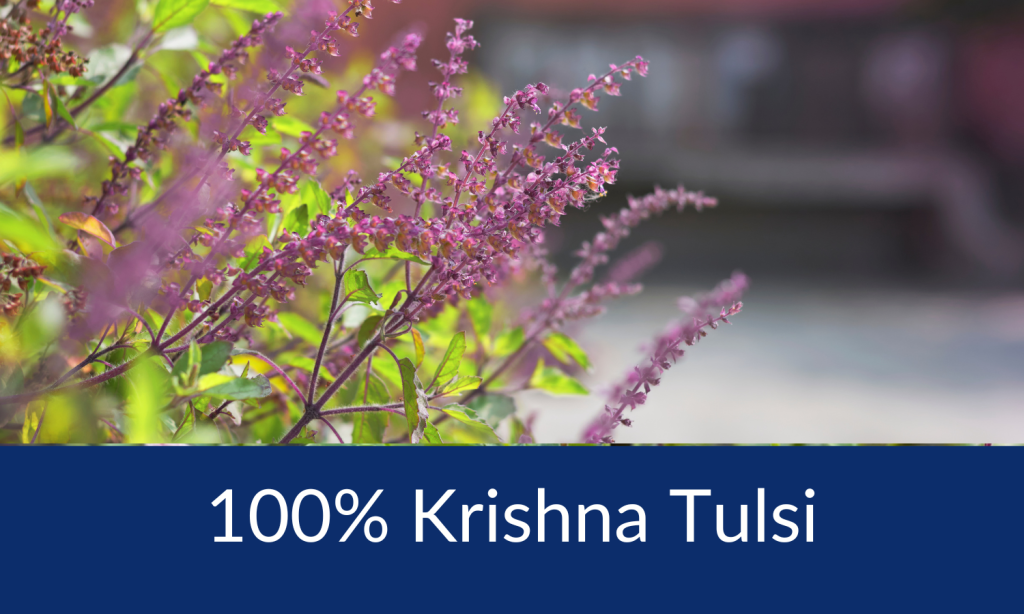
Tulsi tea supports stress resilience, mental clarity, immune balance, and long-term wellness through gentle daily herbal support.
Stress has become so normalized that many people barely notice how deeply it affects them until the symptoms become impossible to ignore.
Poor sleep. Mental fatigue. Anxiety. Brain fog. Digestive disruption. Irritability. Low energy. Feeling “wired but tired.”
Modern life places constant pressure on the nervous system, and the body isn’t designed to remain in a chronic state of high alert indefinitely. While occasional stress is a normal biological response, persistent stress can quietly affect nearly every system in the body—from cognition and mood to immune balance, cardiovascular function, digestion, inflammation, and long-term aging.
That’s one reason Tulsi tea has remained one of the most respected herbal traditions in the world for more than 3,000 years.
Known as Krishna Tulsi, Holy Basil, or Ocimum sanctum, this remarkable Ayurvedic herb has long been associated with resilience, clarity, balance, and vitality. Today, modern scientific research increasingly supports what traditional systems understood centuries ago: Tulsi helps the body adapt to stress while supporting whole-body wellness in the process.
At Linden Botanicals, Krishna Tulsi is one of our favorite daily herbs—not because it overstimulates the body or promises quick fixes, but because it works gently, consistently, and intelligently with the body’s natural systems.
And perhaps just as importantly, it makes an exceptionally delicious herbal tea.
Most people think of stress as emotional tension. But biologically, stress is much broader than that.
Stress activates the sympathetic nervous system—the body’s “fight or flight” response—which increases cortisol and adrenaline production. In short bursts, this system helps us survive threats. But when it stays activated for too long, the downstream effects become significant.
Chronic stress can influence:
This is why chronic stress often feels physical as much as emotional.
People may notice:
Over time, stress can even contribute to accelerated biological aging through oxidative stress and inflammatory load.
This is precisely where adaptogenic herbs like Krishna Tulsi become valuable.
Many stress-support products work by sedating the nervous system or artificially stimulating energy.
Tulsi works differently.
Rather than forcing the body in one direction, Tulsi tea helps regulate and stabilize the body’s stress response. In herbal medicine, this is known as an adaptogenic effect.
Adaptogens help the body:
Tulsi is especially unique because it combines:
This layered approach is why Tulsi has remained foundational within Ayurveda for thousands of years.
Regular consumption of Tulsi may help protect and detoxify the body’s cells and organs. Tulsi may help to reduce stress, anxiety, and depression by calming the mind and offering psychological benefits, such as anti-anxiety and anti-depressant activity with effects comparable to diazepam and antidepressant drugs. It may also enhance memory and cognitive function and protect against age-induced memory deficits.
One of the primary reasons people turn to Tulsi tea is nervous system support.
Krishna Tulsi appears to influence several pathways associated with stress regulation, including cortisol balance, inflammatory signaling, and oxidative stress reduction.
Research suggests Tulsi may help:
Importantly, Tulsi typically does this without heavy sedation.
Many people describe the experience not as feeling “drugged” or sleepy, but rather:
That subtlety is part of what makes Tulsi so valuable for long-term use.
Not all Tulsi is the same.
Traditional Ayurvedic texts describe four primary Tulsi varieties:
Among these, Krishna Tulsi—the purple-leaf variety—is generally regarded as the most potent and therapeutically valued.
According to a scientific study titled “Tulsi – Ocimum sanctum: An Herb for All Reasons,” “Many of the physiological benefits of tulsi can be attributed to its ability to assist with the body’s internal housekeeping and protection of the body from toxin-induced damage. These functions are often attributed to tulsi’s high content of phenolic compounds and anti-oxidant properties, with Krishna tulsi (black/purple variety) having a higher phenolic content and anti-oxidant capacity than white Vana (wild) tulsi.”
Krishna Tulsi contains a rich concentration of bioactive compounds, including:
These compounds contribute to Tulsi’s:
At Linden Botanicals, we use 100% Krishna Tulsi—not blends diluted with lower-potency varieties or fillers.
That distinction matters.
Cortisol is essential for survival. But chronically elevated cortisol contributes to:
One reason Tulsi tea has become so popular for stress management is its apparent ability to support healthier cortisol regulation.
Rather than blunt cortisol aggressively, Tulsi appears to help normalize stress-response signaling over time.
This may explain why many people report:
This is adaptogenic support in practice.
Stress doesn’t just affect mood. It affects cognition.
Under chronic stress, many people experience:
Research suggests Tulsi may support cognitive function through several mechanisms:
Many people drink Tulsi tea specifically because it promotes calm focus rather than stimulation.
Unlike caffeine-heavy beverages that can worsen anxiety or create crashes, Tulsi tends to provide smoother, steadier mental support.
Stress and immunity are deeply connected.
Chronic stress suppresses immune responsiveness and increases inflammatory burden, making the body more vulnerable to illness.
Tulsi has long been traditionally associated with immune resilience. Modern research suggests it may:
This whole-body approach is one reason Tulsi is often consumed daily in Ayurvedic traditions—not just during illness.
Inflammation is increasingly recognized as a major contributor to:
Tulsi contains compounds that appear to help regulate inflammatory signaling pathways.
Its antioxidant activity may also help reduce oxidative stress, which often accompanies chronic inflammation.
This doesn’t mean Tulsi is a cure or replacement for medical care. But it does mean that regular tulsi tea consumption may support healthier inflammatory balance over time.
One often-overlooked aspect of herbal wellness is ritual.
The act of preparing and drinking Tulsi tea creates:
This matters more than most people realize.
Stress management isn’t just biochemical. It’s behavioral.
A daily Tulsi ritual encourages the body to slow down, breathe, and recalibrate.
Warm herbal tea also naturally promotes parasympathetic nervous system activity—the “rest and digest” state that chronic stress often suppresses.
Tulsi’s flavor profile is one reason people continue drinking it long after they begin.
Krishna Tulsi is:
It’s complex without being overpowering.
Some people drink it hot as an evening ritual. Others enjoy it chilled throughout the day.
Either way, it’s remarkably easy to incorporate consistently.
The popularity of Tulsi has created a market flooded with low-quality products.
Many products:
At Linden Botanicals, we focus on:
We believe the integrity of the plant matters.
Because when you’re consuming an herb daily, quality becomes foundational.
Preparing Tulsi is simple.
To make Tulsi tea:
Tulsi can also be added to:
Many people enjoy combining Tulsi with quiet moments, journaling, reading, or evening relaxation routines.
People often explore Tulsi tea when dealing with:
A study published in The Journal of Ayurveda and Integrative Medicine: “The predominant cause of global morbidity and mortality is lifestyle-related chronic diseases, many of which can be addressed through Ayurveda with its focus on healthy lifestyle practices and regular consumption of adaptogenic herbs. Of all the herbs used within Ayurveda, Tulsi … is preeminent.”
Tulsi isn’t about pushing harder. It’s about restoring balance.
Stress may be unavoidable.
But living in a constant state of depletion doesn’t have to be.
Tulsi has endured for thousands of years because it aligns beautifully with what the body actually needs during stressful times:
Rather than overwhelming the nervous system, Tulsi tea helps support steadier energy, calmer thinking, healthier stress responses, and long-term wellness. In fact, Tulsi is often used as support for NeuroEndoMetabolic (NEM) Stress Response.
At Linden Botanicals, Krishna Tulsi remains one of our most trusted daily herbs—not because it promises dramatic transformation overnight, but because it consistently supports the body in quiet, meaningful ways over time.
And sometimes, the most powerful wellness practices are the ones you genuinely look forward to drinking every day.
Linden Botanicals sells Krishna Tulsi in a 50-serving size as AHHH! Stress Relief Support. We also sell Tulsi in a 20-serving trial size and in larger sizes of 100 servings on up. To learn more, a good place to start is with the Tulsi FAQ, which provides a more comprehensive list of benefits. It contains lots of science-based information about this amazing herb.
Buy TulsiA natural kidney detox cleanse supports healthy filtration, urinary function, and kidney wellness with thoughtful daily habits. If you’re searching for a natural kidney detox
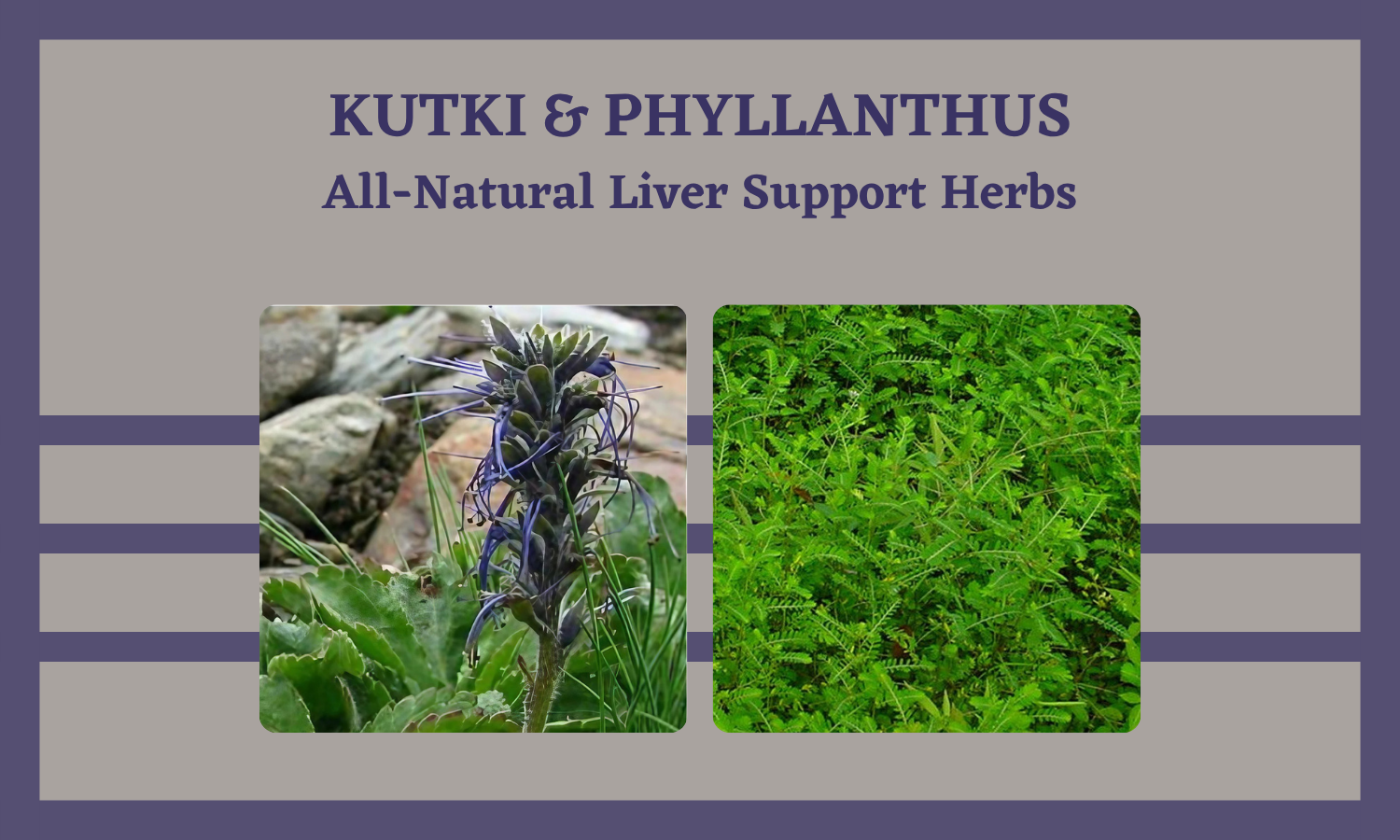
Herbal detox for liver health supports natural detoxification, bile flow, antioxidant defenses, and steady whole-body wellness daily. Search for herbal detox for liver and you’ll

All-natural, Mediterranean Cistus incanus (pink rock rose) makes an exceptionally healthy herbal tea. It’s our bestselling product. Pink rock rose, also known as Cistus incanus,

Rock Rose tea provides polyphenol-rich antioxidant, immune, antimicrobial, and seasonal wellness support from the Mediterranean Cistus plant. Rock Rose tea has been part of Mediterranean