
Natural Kidney Detox Cleanse
A natural kidney detox cleanse supports healthy filtration, urinary function, and kidney wellness with thoughtful daily habits. If you’re searching for a natural kidney detox



A bone and joint health supplement can support skeletal strength, connective tissues, mobility, comfort, and healthy recovery.
Strong bones and comfortable joints make movement feel natural. They allow us to walk, climb stairs, lift groceries, exercise, garden, travel, work, and remain independent as we age. We often take these abilities for granted until an injury, persistent stiffness, reduced mobility, or declining bone density reminds us how much the skeletal system contributes to everyday life.
Nutrition, movement, sleep, hormonal health, and medical care all influence the strength and function of bones, joints, muscles, tendons, and ligaments. For people who want additional botanical support, choosing an effective bone and joint health supplement can complement those foundations.
At Linden Botanicals, our favorite herb for this purpose is Cissus quadrangularis.
This herb isn’t a replacement for medical treatment, rehabilitation, or essential nutrients such as calcium, vitamin D, magnesium, and protein. Instead, they’re distinctive botanicals that may support the natural processes through which the body maintains, repairs, and protects its structural tissues.
Bones and joints are sometimes described as the body’s framework, but that description captures only part of what they do. The skeletal system is dynamic, metabolically active, and constantly responding to movement, nutrition, hormones, age, and physical stress.
An adult skeleton contains 206 bones. Together, those bones support body weight, protect organs, anchor muscles, and create the mechanical levers that make movement possible. The skull protects the brain, the vertebral column shields the spinal cord, and the rib cage helps protect the heart and lungs.
Bones also serve as important mineral reserves. Calcium and phosphorus stored within skeletal tissue contribute not only to bone strength but also to nerve signaling, muscle contraction, blood clotting, cellular activity, and normal heart function. When the body requires these minerals elsewhere, it can draw upon skeletal stores.
Joints are the points where bones meet. Some joints, such as those in the skull, permit very little movement. Others provide substantial flexibility. The hips and shoulders allow movement in several directions, while hinge joints in the knees, elbows, fingers, and toes support bending and straightening.
Healthy joint function depends on more than the bones themselves. Cartilage cushions the ends of bones. Synovial fluid helps reduce friction. Tendons connect muscles to bones, while ligaments connect bones to one another and help stabilize each joint. Muscles absorb force, maintain alignment, and support controlled movement.
A useful bone and joint health supplement should therefore support more than one isolated structure. The most comprehensive approach considers bone remodeling, cartilage, connective tissues, muscles, inflammation, oxidative stress, recovery, and mobility together.
You can learn more about the Joint Health Wellness Pathway here.
Bones may appear solid and permanent, but they are continually being renewed. Throughout life, the body removes older or damaged bone tissue and replaces it with new material through a process known as bone remodeling.
Two major types of cells help coordinate this process:
In healthy bone, these processes remain reasonably balanced. Bone breakdown makes room for renewal, while bone formation restores strength. The cycle also allows bones to adapt to physical demands and repair small amounts of routine damage.
When bone breakdown occurs faster than replacement, density and strength can gradually decline. This imbalance becomes increasingly common with age and can be influenced by hormonal changes, inactivity, inadequate nutrition, medication use, smoking, heavy alcohol consumption, and certain health conditions.
Women often experience accelerated bone loss during and after menopause as estrogen levels decline. Men also lose bone with age, although this process frequently begins later and progresses more gradually.
A fracture can be the first obvious sign of weakened bones, but skeletal changes often develop silently over many years. Supporting bone health is therefore not simply a response to an injury or diagnosis. It is a long-term investment in strength, mobility, and independence.
Joint discomfort can arise from many different sources. An acute injury may damage cartilage, ligaments, tendons, muscles, or bone. Repetitive activity can create irritation and small tissue stresses that accumulate over time. Poor movement patterns, muscle weakness, excess body weight, and inadequate recovery can place additional pressure on joints.
Age-related changes may also affect cartilage and synovial fluid. Cartilage can become thinner and less resilient, while joint lubrication and tissue repair may become less efficient. Osteoarthritis develops when changes in cartilage, bone, and surrounding tissues contribute to stiffness, pain, and reduced movement.
Inflammatory or autoimmune conditions can affect joints through different mechanisms and require medical evaluation and care. Persistent swelling, warmth, redness, severe pain, sudden weakness, unexplained joint symptoms, or discomfort following a significant injury should not be managed solely with supplements.
Whatever the cause, joint health is influenced by several interconnected factors:
This is one reason Cissus quadrangularis attracts so much interest. Rather than focusing on a single tissue or biological pathway, the plant has traditionally been used to support bones, joints, connective tissues, comfort, and recovery together.
Aging is an important factor, but it is not the only reason bone density or joint function may decline. Several aspects of modern life can compromise skeletal wellness long before old age.
Physical Inactivity
Bones respond to mechanical loading. Walking, climbing stairs, resistance exercise, jumping, and other weight-bearing activities signal the body to maintain strong skeletal tissue. When activity decreases, bones receive less stimulation and muscles lose strength.
Weak muscles also provide less support for joints. This can change movement patterns, reduce stability, and increase the physical load placed on cartilage, tendons, and ligaments.
Nutritional Gaps
The body requires protein, minerals, vitamins, and energy to build and maintain structural tissues. Calcium and vitamin D receive the most attention, but magnesium, phosphorus, vitamin K, vitamin C, zinc, copper, manganese, and adequate protein are also important.
An herbal bone and joint health supplement cannot compensate for chronic undernutrition or replace the raw materials required for tissue maintenance.
Hormonal Changes
Estrogen, testosterone, thyroid hormones, parathyroid hormone, cortisol, and other chemical messengers influence bone remodeling and muscle health. Menopause is a major period of accelerated bone loss for many women, while age-related hormonal changes can also affect men.
Chronic Inflammation
Persistent inflammatory signaling can affect joints, cartilage, connective tissues, muscles, and bone metabolism. Inflammation may arise from injury, autoimmune disease, infection, metabolic dysfunction, chronic stress, or other health concerns.
Repetitive Physical Stress
Athletes, laborers, caregivers, gardeners, and people with physically demanding jobs repeatedly load the same muscles and joints. Movement is essential for health, but insufficient recovery can lead to ongoing soreness, stiffness, and overuse injuries.
Smoking and Heavy Alcohol Use
Smoking negatively affects circulation, bone-forming cells, tissue repair, and fracture healing. Excessive alcohol consumption can interfere with nutrient absorption, balance, hormone regulation, and healthy bone metabolism.
Certain Medications and Health Conditions
Long-term corticosteroid use, some cancer treatments, gastrointestinal disorders, endocrine conditions, and other health issues may affect bone density. Anyone with a known medical risk should work with a qualified healthcare professional to develop an appropriate prevention or treatment plan.
Cissus quadrangularis is a succulent vine native to parts of Africa and Asia. Its distinctive four-sided stems give the plant its species name: quadrangularis.
Common names include:
The Sanskrit name asthisamharaka is often translated in ways that reflect the plant’s traditional connection to broken bones and skeletal repair. Ayurvedic practitioners have used Cissus for centuries in preparations intended to support fractures, sprains, joint discomfort, swelling, digestive health, and physical recovery.
The plant contains a diverse collection of naturally occurring constituents, including flavonoids, triterpenoids, stilbenes, iridoids, phytosterols, ketosteroid-like compounds, and phenolic acids. Researchers continue to examine how these compounds may influence bone formation, bone resorption, inflammatory signaling, oxidative stress, connective tissues, and metabolic health.
Not every Cissus preparation is chemically identical. Plant part, growing conditions, extraction method, concentration, and standardization can all affect the finished supplement. That is why quality and sourcing remain important when selecting any herbal product.
Cissus stands apart because its traditional use is so closely tied to structural health. Many herbs offer antioxidant or inflammatory support, but relatively few have such a longstanding reputation for helping the body maintain and repair bones and connective tissues.
Its potential value comes from several complementary actions:
The available research is promising, but it is important to remain accurate. A substantial portion of the evidence related to fracture healing, bone density, and bone remodeling comes from laboratory or animal research. Human studies remain more limited, and researchers have called for better-standardized extracts and larger controlled trials.
That uncertainty does not erase Cissus’s long traditional history or its potential. It means we should describe the herb as a supportive botanical rather than claiming that it cures osteoporosis, heals every fracture, or replaces conventional treatment.
Bone development and repair require a coordinated series of biological events. After a fracture, the body forms a protective clot, creates temporary connective tissue, builds new bone, mineralizes that tissue, and gradually remodels the area.
Researchers have investigated whether compounds in Cissus may help support several stages of this process. Preclinical findings suggest that the plant may encourage osteoblast activity, collagen formation, mineral deposition, and other processes associated with new bone.
Cissus has also been studied for its possible influence on biochemical markers involved in bone formation and tissue repair. These include alkaline phosphatase, an enzyme associated with osteoblast activity, and hydroxyproline, an amino acid important to collagen structure.
Collagen creates the flexible framework upon which bone minerals are deposited. Without this protein matrix, bones would lack the combination of strength and resilience required to tolerate everyday force.
Some studies have also explored whether Cissus may help reduce excessive osteoclast activity, which is responsible for breaking down bone. Supporting formation while moderating disproportionate breakdown could help maintain a healthier remodeling balance.
These findings help explain why traditional practitioners regarded Cissus as a bone-supporting herb. They do not mean that someone with a fracture should self-treat with Cissus instead of seeking orthopedic care. Bone alignment, stabilization, imaging, rehabilitation, nutrition, and medical follow-up remain essential.
Bone mineral density measures the amount of mineral contained within a specific area of bone and helps clinicians estimate fracture risk. Low density can progress from osteopenia to osteoporosis, although bone strength is influenced by more than mineral content alone.
Cissus has attracted interest for possible anti-osteoporotic effects. Laboratory and animal research suggests that its compounds may support bone formation, mineral retention, antioxidant defenses, and a more balanced relationship between osteoblasts and osteoclasts.
This may be especially relevant during periods when bone loss accelerates, including menopause, prolonged inactivity, aging, or recovery from illness. Even so, anyone concerned about bone loss should pursue appropriate screening and medical guidance.
A responsible bone-health plan may include:
Cissus may complement this plan, but it should not replace its essential components.
One of the most compelling areas of human research involves Cissus and exercise-related joint discomfort. In a small pilot study, exercise-trained men who experienced chronic joint pain reported meaningful reductions in discomfort after using a Cissus preparation for eight weeks.
This type of research is encouraging because it examines a real-life concern experienced by athletes and active adults. Repetitive loading can create joint irritation even when no severe injury is present. Continued discomfort may then interfere with training, daily movement, sleep, and recovery.
Cissus may support joint comfort through a combination of anti-inflammatory and antioxidant activity. Rather than numbing pain or acting as a conventional medication, it may help promote a healthier tissue environment.
The distinction matters. Pain is a signal, and ongoing pain should not simply be suppressed so that a person can continue activities that are causing damage. A supplement works best when combined with appropriate rest, strengthening, mobility work, movement assessment, and medical or rehabilitative care when needed.
Inflammation is not inherently harmful. It is part of the body’s normal response to injury, infection, and tissue stress. The inflammatory process helps recruit immune cells, remove damaged material, and begin repair.
Problems arise when inflammation becomes excessive, prolonged, or poorly regulated. Chronic inflammatory signaling can contribute to stiffness, tenderness, swelling, cartilage deterioration, fatigue, and slower recovery.
Cissus contains plant compounds that have demonstrated anti-inflammatory activity in experimental research. These constituents may influence inflammatory mediators and help support a more balanced response to physical stress.
For someone evaluating a bone and joint health supplement, inflammation matters because bone, cartilage, tendons, ligaments, synovial tissue, and muscles all respond to the local chemical environment. Supporting balanced signaling may help preserve comfort and mobility while the body carries out its normal repair processes.
Everyday metabolism produces unstable molecules known as free radicals. The body uses antioxidant systems to control them, but excessive oxidative stress can damage proteins, fats, cellular membranes, and DNA.
Oxidative stress has been associated with aging tissues, inflammatory signaling, cartilage wear, and changes in bone remodeling. It may increase osteoclast activity while interfering with osteoblast function, potentially shifting the skeletal system toward greater breakdown.
Cissus contains flavonoids, phenolic compounds, and other antioxidants that may help neutralize free radicals and reinforce the body’s own protective systems.
Antioxidants do not rebuild a joint or create bone by themselves. Their value lies in helping protect the cells and tissues responsible for structural maintenance and repair.
A strong skeleton cannot function properly without healthy connective tissues. Ligaments stabilize joints by connecting bone to bone. Tendons transfer force from muscles to bones, allowing movement. Fascia surrounds and links structures throughout the body, while cartilage helps absorb shock and reduce friction.
These tissues contain collagen and other extracellular matrix components that provide strength, flexibility, and organization. Because connective tissues often receive less blood flow than muscles, they may recover slowly after injury or overuse.
Traditional use and emerging research suggest that Cissus may support more than bone alone. Its relationship to collagen, antioxidant protection, inflammatory balance, and tissue repair makes it relevant to tendons and ligaments as well.
This broader role is one reason we prefer the phrase bone and joint health supplement rather than describing Cissus simply as a bone herb. Joint function depends on an integrated network of tissues, and Cissus may support several parts of that network.
Movement strengthens bones, muscles, and connective tissues, but physical activity also creates temporary stress. Small amounts of tissue disruption are part of adaptation. With adequate nutrition and recovery, the body repairs that disruption and becomes more resilient.
When activity exceeds the body’s ability to recover, soreness, fatigue, inflammation, and discomfort can accumulate. Athletes are not the only people affected. Physical work, repetitive occupational movement, home improvement projects, caregiving, and new exercise routines can all challenge the musculoskeletal system.
Cissus may be useful for active people because it supports several priorities at once:
It should not be used to ignore an injury. Sharp pain, instability, substantial swelling, bruising, loss of function, or symptoms that worsen during activity require evaluation.
For ordinary physical stress and long-term structural wellness, however, Cissus offers a well-rounded botanical option.
Muscles do more than create movement. They absorb impact, stabilize joints, maintain posture, protect the spine, and reduce the forces transmitted directly to cartilage and bone.
As people age, the gradual loss of muscle mass and strength can increase the risk of falls, fractures, joint strain, and functional decline. An effective bone-health strategy should therefore include resistance exercise and adequate protein rather than focusing only on calcium or bone density.
Cissus has sometimes been marketed as an anabolic or bodybuilding herb. The evidence does not justify strong claims that it directly builds muscle in humans. Its better-supported role is helping maintain the structural and recovery systems that make safe, consistent exercise possible.
By supporting comfort and resilience, Cissus may help people stay active. Continued activity, in turn, provides the mechanical stimulus bones and muscles need to remain strong.
No supplement can replace a nutrient-rich diet. Bones, cartilage, tendons, ligaments, and muscles require adequate building materials.
Protein
Protein supplies amino acids needed for collagen, muscle tissue, enzymes, and repair. Older adults may need particular attention to protein intake because maintaining muscle becomes more difficult with age.
Calcium
Calcium is the major mineral in bone, but more calcium is not always better. Intake should be considered alongside diet, vitamin D status, medical history, and individual needs.
Vitamin D
Vitamin D supports calcium absorption, bone mineralization, muscle function, and immune health. Limited sunlight, age, skin pigmentation, location, and other factors can affect vitamin D status.
Magnesium
Magnesium contributes to bone structure, energy production, muscle relaxation, and vitamin D metabolism.
Vitamin K
Vitamin K helps activate proteins involved in bone mineralization and normal blood clotting.
Vitamin C
Vitamin C is essential for collagen synthesis and provides antioxidant support. Fruits and vegetables are excellent sources.
Omega-3 Fatty Acids
Omega-3 fats support cardiovascular health and may help promote a balanced inflammatory response.
Colorful Plant Foods
Vegetables, fruits, herbs, spices, nuts, seeds, and legumes provide antioxidants and phytonutrients that help protect tissues from oxidative stress.
A bone and joint health supplement should complement these nutritional foundations, not compete with them.
Different forms of movement provide different benefits.
Weight-Bearing Exercise
Walking, hiking, stair climbing, dancing, and similar activities place controlled stress on bones and encourage maintenance.
Resistance Training
Lifting weights, using resistance bands, or performing body-weight exercises strengthens muscles and provides powerful skeletal loading.
Balance Training
Balance exercises can reduce fall risk, which is particularly important for people with low bone density.
Mobility Work
Gentle range-of-motion activity helps maintain joint movement and may reduce stiffness.
Aerobic Exercise
Cardiovascular activity supports circulation, endurance, metabolism, and overall health. Swimming and cycling place less direct load on bones but can be valuable when impact is uncomfortable.
Exercise programs should reflect a person’s fitness level, medical history, bone density, balance, and joint condition. Someone with osteoporosis, a recent fracture, or significant joint disease may need guidance from a physician or physical therapist.
People explore Cissus and other structural-health supplements for many reasons, including:
Individual needs differ. A young athlete managing repetitive joint stress has different priorities from a postmenopausal woman concerned about bone density or an older adult rebuilding strength after inactivity.
Cissus is appealing because its traditional uses span several of these concerns. The decision to use it should still reflect personal health history, medications, goals, and professional guidance.
Supplement quality varies considerably. When comparing products, consider more than the front-label claim.
Correct Botanical Identity
The label should clearly name Cissus quadrangularis. Botanical accuracy matters because common names may be used inconsistently.
Plant Form and Concentration
Powders and extracts are not identical. Extracts concentrate selected constituents and may provide greater consistency, but the strength and method of extraction should be appropriate and transparent.
Responsible Sourcing
Growing conditions, harvest, handling, and storage can affect phytochemical quality.
Testing
Quality testing can help verify identity, purity, and the absence of concerning contaminants.
Transparent Guidance
A reputable company should explain the serving size, botanical form, intended use, and important precautions without making exaggerated medical promises.
Realistic Claims
Be cautious of products that promise to regrow cartilage, cure osteoporosis, replace medical treatment, or heal fractures almost instantly. Botanical medicine can be valuable without being presented as miraculous.
Linden Botanicals maintains a small, carefully selected collection of herbs rather than offering hundreds of interchangeable supplements. Each botanical must have a meaningful traditional history, compelling contemporary research, and a clear role within whole-body wellness.
Our Cissus quadrangularis extract was selected specifically for bone, joint, connective tissue, and physical recovery support. We prioritize botanical identity, sourcing, concentration, quality, and customer education because the name of an herb alone does not guarantee an effective product.
We also approach the evidence honestly. Traditional use provides valuable insight, and preclinical research helps explain possible mechanisms. Small human studies may offer promising signals. At the same time, stronger clinical research is still needed to establish the full range of Cissus benefits, determine optimal formulations, and identify which people are most likely to benefit.
Our goal is not to oversell Cissus. It is to offer a distinctive botanical with a remarkable history and a growing scientific foundation.
What is the best bone and joint health supplement?
The best product depends on the person’s needs. Calcium and vitamin D may be appropriate when nutritional intake or laboratory testing indicates a gap. Other people prioritize joint comfort, cartilage, connective tissues, inflammatory balance, or recovery.
Cissus quadrangularis is our favorite botanical option because it has traditionally been used to support bones, joints, fracture recovery, and connective tissues.
Can Cissus quadrangularis heal broken bones?
Cissus has a long traditional reputation as a bone-supporting herb, and preclinical research suggests that it may support processes involved in fracture healing. It should not replace medical evaluation, imaging, stabilization, surgery, rehabilitation, or follow-up care.
A fracture is a serious injury. Cissus is best viewed as a potential complement to an appropriate treatment and recovery plan.
Does Cissus help joint pain?
A small pilot study reported reduced joint discomfort in exercise-trained men using a Cissus preparation for eight weeks. Experimental research also supports anti-inflammatory and antioxidant activity.
More research is needed, and persistent pain should be evaluated to identify its cause.
Does Cissus support osteoporosis?
Laboratory and animal studies suggest potential bone-forming and anti-osteoporotic effects. Human evidence remains limited. Cissus should not replace bone-density testing, prescribed medications, fall prevention, nutrition, or exercise.
Is Cissus only for older adults?
No. Active adults and athletes may use Cissus to support joint comfort, connective tissues, and recovery. Younger people with a fracture or injury should consult their healthcare team before adding supplements.
How long does Cissus take to work?
Experiences vary based on the person, the intended use, the form of Cissus, and consistency. Joint-comfort benefits may develop over several weeks. Bone remodeling and connective-tissue support are gradual biological processes and should not be expected to change overnight.
Can Cissus replace calcium and vitamin D?
No. Cissus does not replace essential nutrients. Calcium, vitamin D, magnesium, protein, and other nutrients provide materials and regulatory support required for bone health.
Can I take Cissus with other supplements?
Some people combine Cissus with vitamins, minerals, protein, or other botanicals. Suitability depends on the full supplement routine, medications, medical conditions, and individual goals.
Are there side effects?
Published reviews have generally described Cissus extracts as well tolerated at commonly studied amounts, but any botanical can cause unwanted effects or interact with medications. Individual products also differ in concentration and composition.
Consult a healthcare professional if you are pregnant, nursing, taking medication, preparing for surgery, managing blood sugar, or receiving treatment for a medical condition.
Long-term skeletal wellness rarely comes from a single intervention. It develops through a combination of habits that support structure, movement, metabolism, and recovery.
A thoughtful plan may include:
Cissus quadrangularis can fit naturally into this larger approach. It does not ask the body to rely on a single mechanism. Instead, it may support bone remodeling, connective tissues, joint comfort, antioxidant protection, and recovery together.
Bone and joint health is not only about avoiding fractures or discomfort. It is about preserving the physical freedom to participate in life.
Strong bones support the body. Healthy joints create movement. Muscles provide power and stability. Tendons and ligaments transfer force and maintain alignment. Each part depends on the others, and all of them respond to nutrition, exercise, hormones, inflammation, recovery, and age.
For people seeking botanical support, Cissus quadrangularis offers an unusual combination of traditional knowledge and emerging scientific interest. Its longstanding role as a bone-setting and connective-tissue herb makes it one of the most compelling plants to consider when choosing a bone and joint health supplement.
At Linden Botanicals, we value Cissus not because it promises an effortless shortcut, but because it complements the habits and biological processes that help the body remain strong, mobile, and resilient.
To learn more about the plant, its traditional uses, research, preparation, and safety, visit the Linden Botanicals Cissus quadrangularis FAQ. You can also learn about the Joint Health Wellness Pathway and more about our favorite joint health herbs: Cissus quadrangularis, Paeonia lactiflora, Andrographis, and Haritaki.
Buy CissusA natural kidney detox cleanse supports healthy filtration, urinary function, and kidney wellness with thoughtful daily habits. If you’re searching for a natural kidney detox
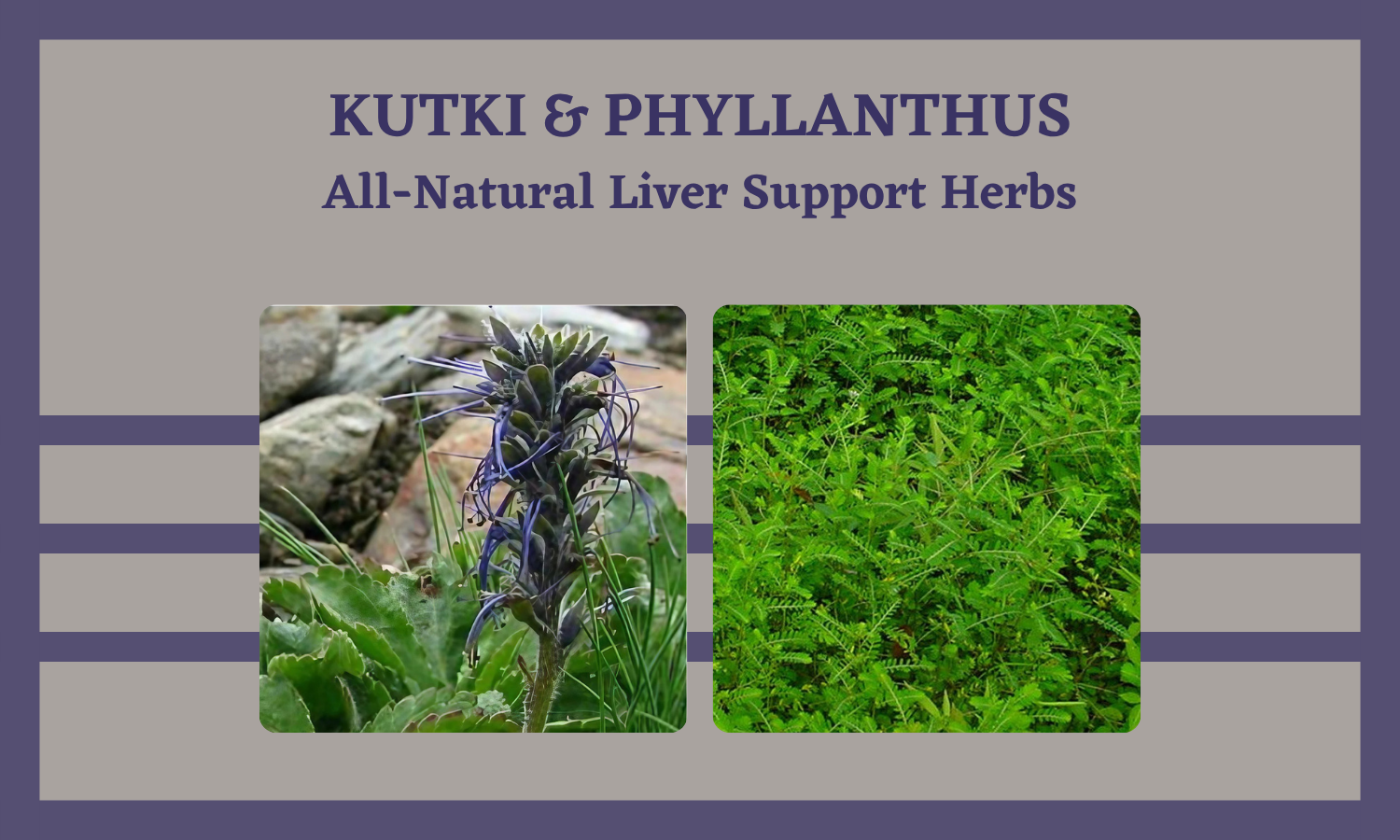
Herbal detox for liver health supports natural detoxification, bile flow, antioxidant defenses, and steady whole-body wellness daily. Search for herbal detox for liver and you’ll

All-natural, Mediterranean Cistus incanus (pink rock rose) makes an exceptionally healthy herbal tea. It’s our bestselling product. Pink rock rose, also known as Cistus incanus,

Rock Rose tea provides polyphenol-rich antioxidant, immune, antimicrobial, and seasonal wellness support from the Mediterranean Cistus plant. Rock Rose tea has been part of Mediterranean