

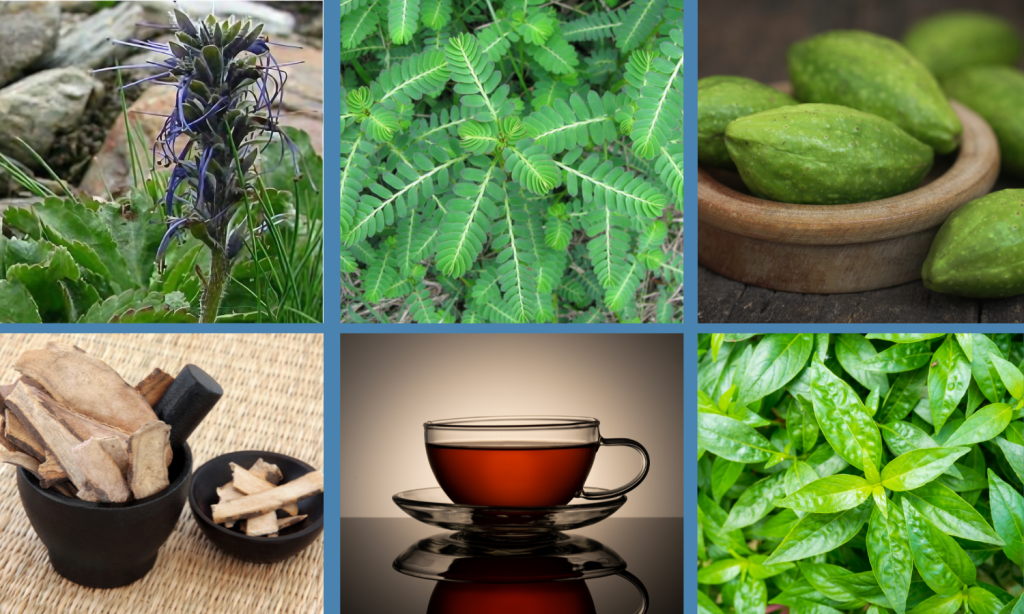
Liver Health & Resilience: Your Liver Health Wellness Pathway
Support healthy liver function, antioxidant protection, digestion, and the gut-liver connection with carefully selected botanicals rooted in tradition and informed by contemporary scientific research. Choose the liver health support that’s right for you.
Your Liver Is Already Doing the Detoxing
It’s easy to take liver health for granted. That’s because your liver is always working. It doesn’t wait for a cleanse.
Twenty-four hours a day, it processes nutrients, metabolizes medications and other compounds, produces bile, stores energy, synthesizes important proteins, and transforms substances so the body can use or eliminate them.
It’s one of the body’s great multitaskers.
That means supporting liver health is about much more than the popular idea of “detox.”
A healthy liver needs functioning cells, antioxidant defenses, balanced metabolic and inflammatory processes, healthy bile production and flow, and effective communication with the gastrointestinal system.
For centuries, traditional healing systems have used botanicals to support these functions. Today, researchers continue to investigate many of those plants and their naturally occurring compounds for their potential roles in liver function, antioxidant activity, inflammatory balance, metabolism, digestion, and cellular protection.
At Linden Botanicals, we’ve created three clear starting points for the Liver Health Wellness Pathway:
Kutki for liver function and resilience.
Phyllanthus niruri for protection and balance.
Haritaki for digestion and gut-liver support.
Three botanicals. Three complementary approaches to one remarkable organ.
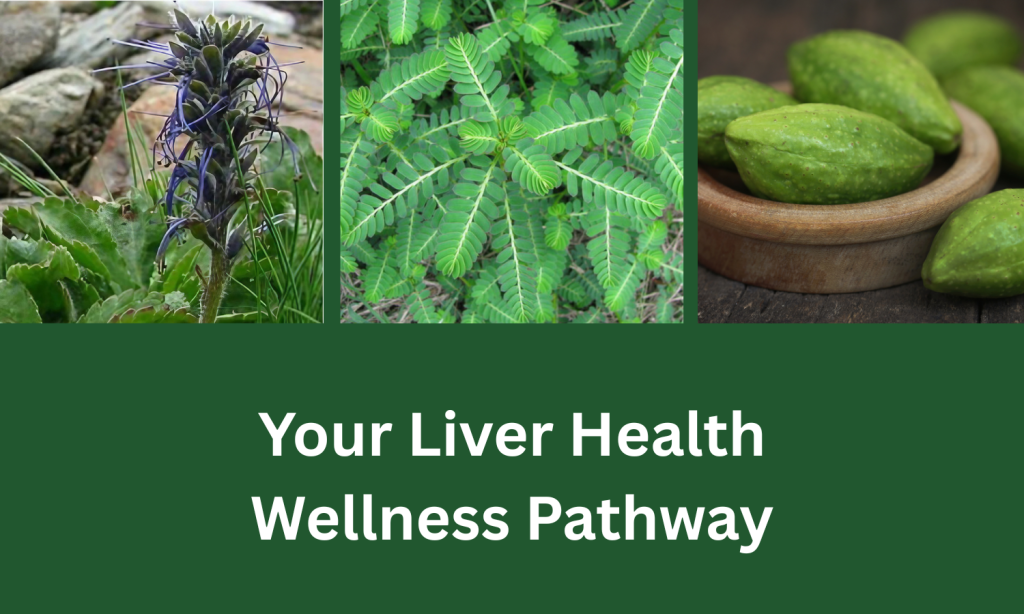
The Linden Botanicals Approach to Liver Health
“Detox” has become one of the most overused words in wellness.
Juice cleanses. Detox teas. Three-day resets. Products promising to “flush” unwanted substances from the body.
The biology is much more interesting.
Your liver contains sophisticated enzyme systems that continually transform and process compounds. Some substances are chemically modified. Others are prepared for elimination through bile or urine. At the same time, the liver helps regulate blood glucose, processes fats, stores nutrients, produces cholesterol and proteins, and performs hundreds of other functions.
So our approach isn’t about forcing the liver to detox harder.
It’s about supporting the liver as it performs the work it was designed to do.
That’s why we’ve organized the pathway around three complementary forms of support:
Liver Function & Resilience → Kutki
Protection & Balance → Phyllanthus niruri
Gut-Liver Support → Haritaki
You don’t necessarily need all three.
The goal is to understand what each botanical brings to the liver-health story and choose the support that best aligns with your wellness goals.
Your Liver Health Wellness Pathway
Liver Function & Resilience
Protection & Balance
Gut-Liver Support


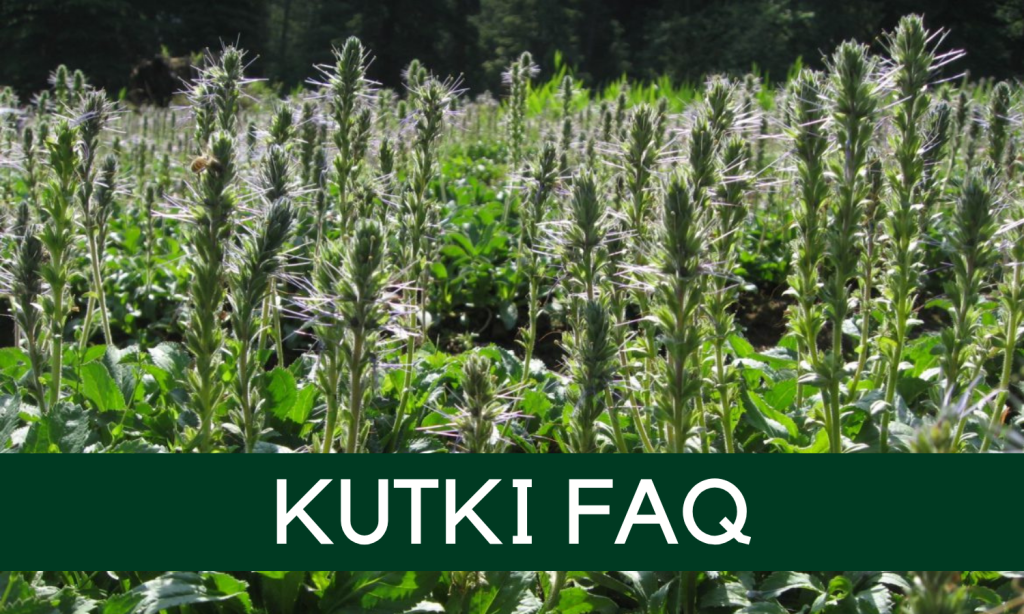
Kutki (Picrorhiza kurroa) is a highly valued Ayurvedic botanical.
It has longstanding traditional association with support for liver function, digestion, and whole-body wellness.
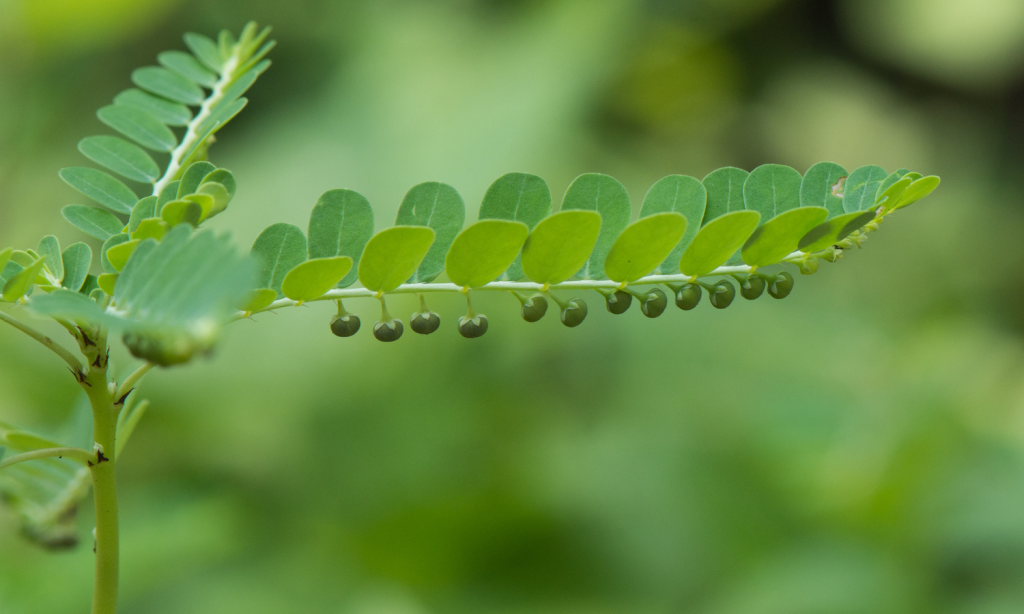
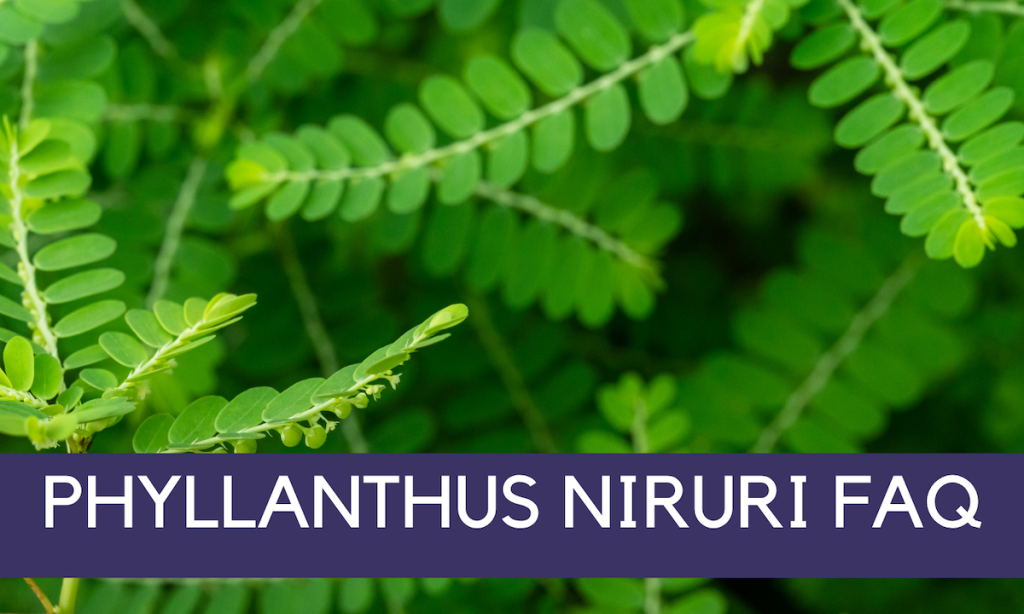
Phyllanthus niruri is an amazing Amazonian herb used for liver, digestive, kidney & urinary wellness.
Contemporary research is exploring its antioxidant and hepatoprotective properties.
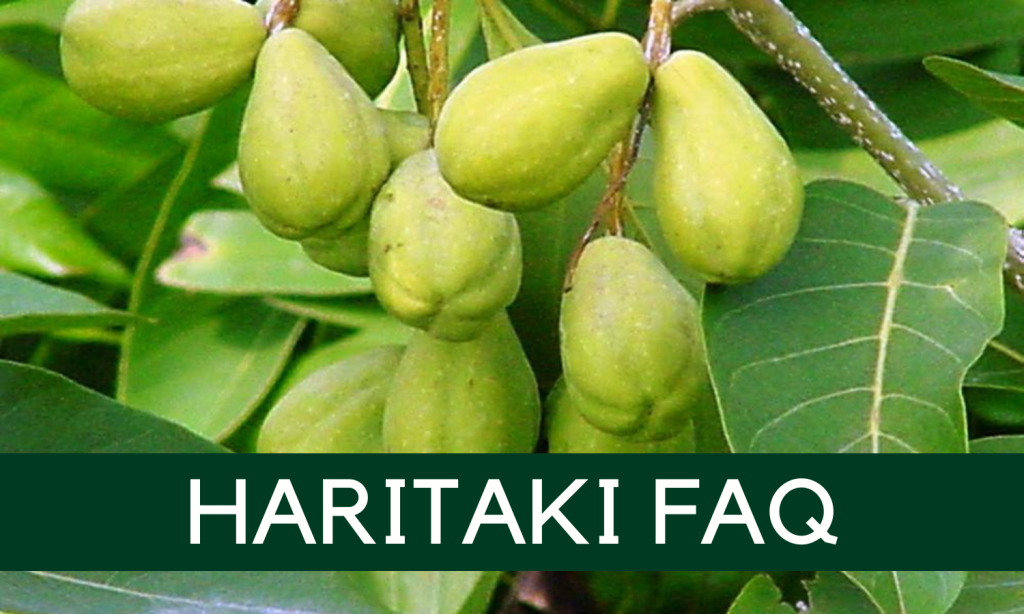
Haritaki (Terminalia chebula) is an ancient and well known Ayurvedic fruit.
It is traditionally used to support digestion, regularity, elimination, antioxidant protection, and gastrointestinal balance.
Kutki (Picrorhiza kurroa)
Liver Function & Resilience

Kutki (Picrorhiza kurroa) has been used in traditional Ayurvedic practice for centuries, particularly in formulations associated with liver and digestive wellness.
Its name is often associated with its intensely bitter taste. And that bitterness is part of an important traditional botanical story: bitter herbs have long been used in cultures around the world in connection with digestion, appetite, and liver and gallbladder function.
Kutki contains a number of naturally occurring compounds, including iridoid glycosides collectively associated with picrosides. These compounds have attracted scientific interest in relation to antioxidant activity, inflammatory processes, liver function, and cellular protection.
Within the Liver Health Wellness Pathway, Kutki occupies the most liver-specific position.
It isn’t here because of a trendy cleanse. It’s here because supporting the liver has been central to Kutki’s identity for generations.
To learn more, check out the Kutki FAQ.
Traditionally used to support:
- Healthy liver function
- Liver resilience
- Digestive wellness
- Healthy bile-related processes
- Antioxidant protection
- Whole-body wellness
Phyllanthus niruri (Chanca Piedra)
Protection & Balance

Phyllanthus niruri is perhaps best known by one of its traditional names: Chanca Piedra, or “stone breaker.”
That name reflects its centuries-old association with kidney and urinary wellness, particularly in South American herbal traditions.
But focusing exclusively on the kidneys misses an important part of the Phyllanthus story.
Across different traditional systems, Phyllanthus species have also been used in connection with liver and digestive health. Contemporary research has explored Phyllanthus niruri and its naturally occurring lignans, flavonoids, tannins, polyphenols, and other phytochemicals in relation to antioxidant activity, liver health, inflammatory balance, and cellular protection.
That makes Phyllanthus particularly interesting from a whole-body perspective.
The liver processes compounds. The kidneys help eliminate many water-soluble waste products. The gastrointestinal system influences what enters circulation in the first place.
These aren’t isolated systems.
Within the Liver Health Wellness Pathway, Phyllanthus provides protection and balance, while connecting liver wellness with kidney, digestive, and whole-body health.
To learn more, check out the Phyllanthus niruri FAQ.
Traditionally used to support:
- Healthy liver function
- Antioxidant protection
- Kidney and urinary wellness
- Digestive health
- Healthy inflammatory balance
- Immune health and whole-body resilience
Haritaki (Terminalia chebula)
Digestion & the Gut-Liver Connection
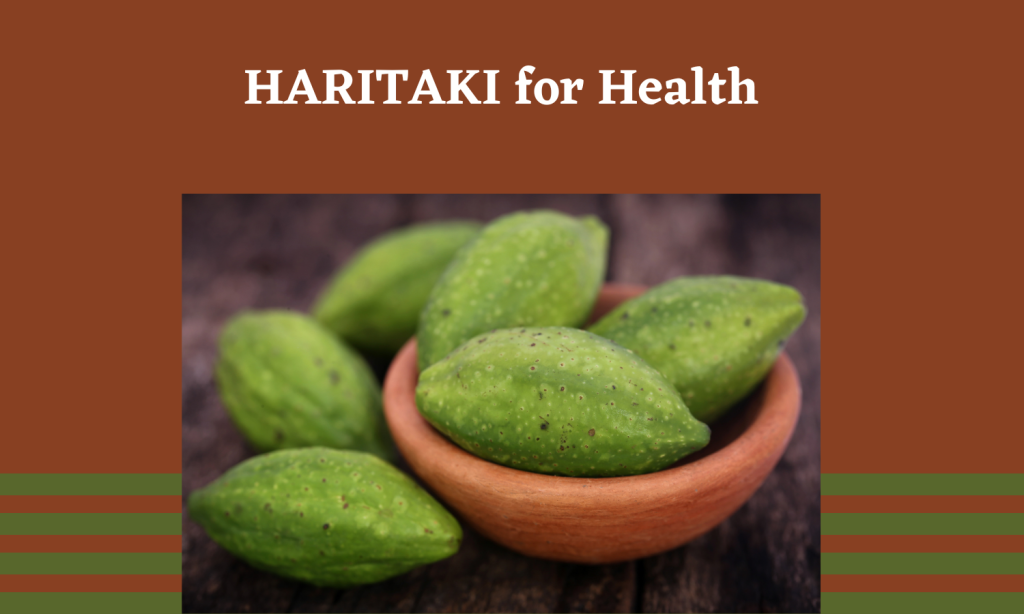
The liver and gut are next-door neighbors biologically speaking.
They communicate continuously.
That’s why Haritaki (Terminalia chebula) belongs in a liver-health pathway even though most people first encounter it as a digestive botanical.
Haritaki has been valued in Ayurveda for thousands of years and is one of the three fruits used in the classic formulation Triphala. Traditional practice has associated it with digestion, intestinal motility, elimination, and whole-body balance.
Modern research has identified numerous naturally occurring compounds in Haritaki, including tannins, polyphenols, and flavonoids with antioxidant and other biological properties.
But Haritaki also gives us an opportunity to think beyond the liver itself.
Blood carrying nutrients and other compounds absorbed from the gastrointestinal tract travels to the liver through the portal circulation. The liver produces bile that returns to the digestive system. Meanwhile, intestinal microorganisms produce metabolites that can interact with liver function and metabolism.
Scientists increasingly describe this two-way relationship as the gut-liver axis.
Within this pathway, Haritaki represents digestion, elimination, and the gut-liver connection.
To learn more, check out the Haritaki FAQ.
Traditionally used to support:
- Healthy digestion
- Regularity and elimination
- Gastrointestinal wellness
- Antioxidant protection
- Metabolic wellness
- Whole-body balance
Three Ways to Think About Liver Support
There isn’t one single pathway to liver wellness. That’s why we’ve created three different starting points.
KUTKI for Liver Function & Resilience
For people particularly interested in an Ayurvedic botanical with a longstanding traditional relationship with liver and digestive wellness.
PHYLLANTHUS NIRURI (CHANCA PIEDRA) for Protection & Balance
For people interested in antioxidant and whole-body support that connects liver wellness with kidney and digestive health.
HARITAKI for Gut-Liver Support
For people interested in supporting digestion, elimination, gastrointestinal wellness, and the relationship between the gut and liver.
Three different botanicals. Three different emphases.
The pathway is designed to make those differences easier to understand.
Your Liver and Gut Are Constantly Talking
The digestive tract is one of the primary gateways between the outside world and the internal body.
Food is broken down. Nutrients are absorbed. Microorganisms metabolize compounds.
And much of what crosses the intestinal barrier then travels directly to the liver. This creates an unusually close biological relationship.
The liver, in turn, produces bile acids that enter the digestive tract and participate in fat digestion while also interacting with intestinal microorganisms and metabolic signaling.
Researchers refer to this continuous two-way communication as the gut-liver axis. When we look at liver health through that lens, digestion stops being a separate wellness category. It becomes part of the same story.
That’s one reason Haritaki complements the more directly liver-focused Kutki and Phyllanthus so well.
Go Deeper: Explore More Whole-Body Liver Support
Our three featured botanicals provide clear starting points for liver wellness.
For people interested in going deeper, several additional Linden Botanicals herbs offer complementary support related to liver function, antioxidant protection, metabolism, immune health, and inflammatory balance.
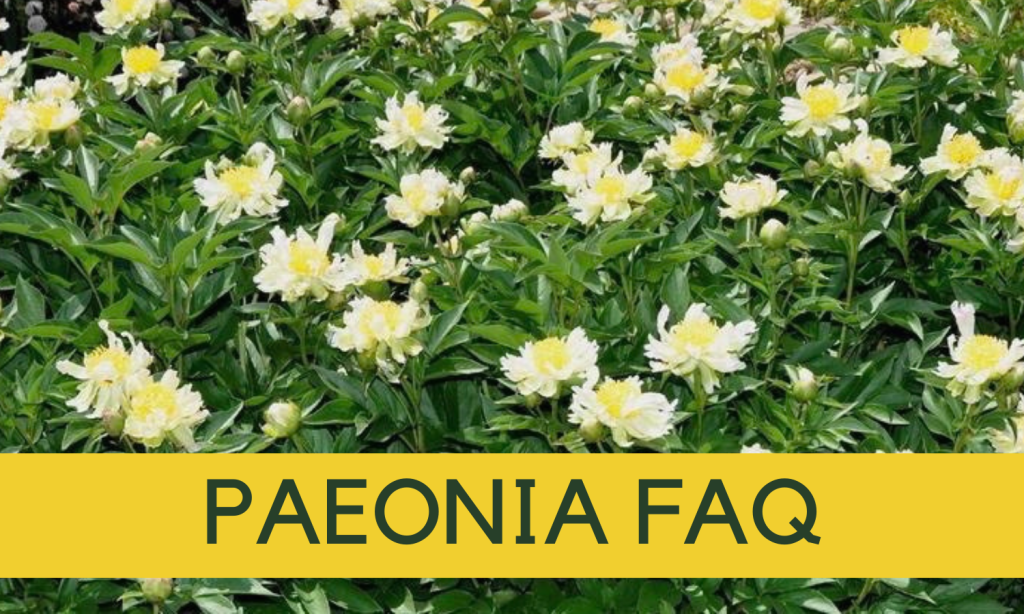
Within the Liver Health Wellness Pathway, Paeonia provides complementary support for the larger biological environment in which healthy liver function occurs.
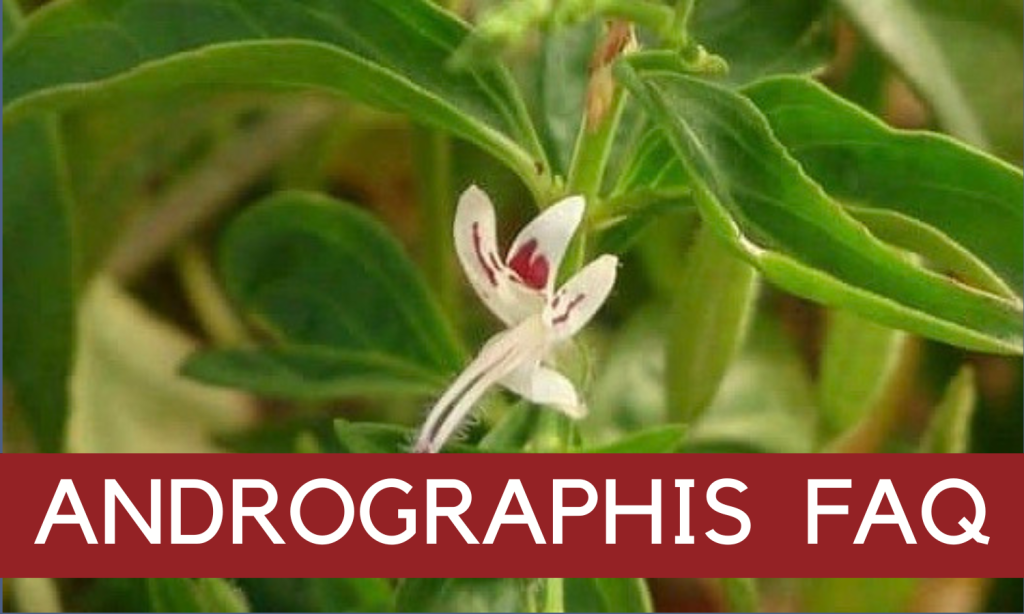
For people exploring beyond our three primary liver botanicals, Andrographis also provides a particularly interesting bridge between liver and immune wellness.

Andrographis, called the King of Bitters, has a long history of use in Ayurveda and traditional Asian wellness practices.
Its intensely bitter compounds include andrographolide, which has become the focus of extensive contemporary research.
Andrographis has traditionally been associated with liver, digestive, and immune wellness. Modern researchers continue to investigate it in relation to antioxidant activity, inflammatory balance, immune function, and liver health.
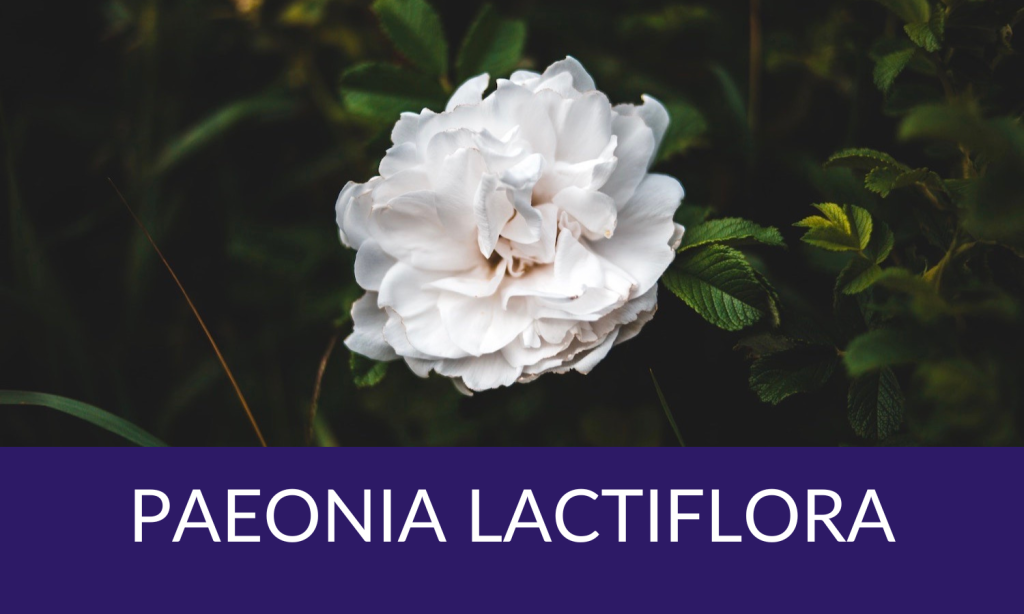
Paeonia lactiflora (White Peony Root) has been used for 2,000+ years in Chinese and other Asian traditional medicine systems.
Its naturally occurring compounds include paeoniflorin and other constituents collectively studied as Total Glucosides of Peony.
Contemporary researchers have investigated these compounds in relation to antioxidant activity, inflammatory signaling, immune regulation, and cellular protection.
What "Detox" Actually Means
Your liver doesn’t need to be taught how to detox. It already knows.
Liver cells contain specialized enzyme systems that help transform compounds the body encounters every day, including substances produced naturally through metabolism as well as compounds that enter through food, medications, and the environment.
These processes are often described broadly as Phase I and Phase II detoxification.
During these interconnected processes, enzymes modify compounds and help convert them into forms the body can process and eliminate.
The liver also produces bile, which provides another route through which certain substances can ultimately leave the body through the gastrointestinal tract.
Nutrition, lifestyle, and botanicals are, of course, relevant. However, the goal should be supporting normal liver physiology, not imagining that a tea or supplement can periodically wash the liver clean.
Your liver is already doing the work. Support the worker.
Frequently Asked Questions About the Liver Health Wellness Pathway
What is the best Linden Botanicals herb for liver health?
There isn’t one universal “best” herb.
Kutki has the most direct traditional identity as a liver-support botanical within this pathway. Phyllanthus provides broader antioxidant, liver, kidney, and digestive support. Haritaki emphasizes digestion, elimination, and the gut-liver connection.
Your individual wellness goals can help determine where to begin.
Do I need all three primary herbs?
No. The Liver Health Wellness Pathway is designed to help you understand different forms of botanical support, not suggest that everyone should take multiple products.
What is the gut-liver axis?
The gut and liver are anatomically and functionally connected.
Many compounds absorbed through the gastrointestinal tract travel to the liver through portal circulation. The liver produces bile acids that influence digestion and interact with the intestinal environment. Gut microorganisms also produce metabolites that can influence liver and metabolic processes.
Scientists use the term gut-liver axis to describe these interconnected relationships.
Can herbs “detox” my liver?
The liver itself performs detoxification continuously.
Botanicals may support normal liver function, antioxidant defenses, digestion, or other aspects of wellness, but it is misleading to think of them as products that physically “flush toxins” from the liver.
Can I use liver-support herbs if I take medications?
This is an important conversation to have with a qualified healthcare professional.
Because the liver plays a major role in metabolizing medications, botanical-drug interactions can be particularly relevant when considering liver-support products.
Supporting Liver Health Every Day
Your liver works every day.
Some of the most important ways to support it do too.
A varied, nutrient-rich diet helps provide the vitamins, minerals, protein, fiber, and phytochemicals involved in normal metabolism. Regular physical activity supports metabolic health and healthy body composition.
Maintaining a healthy weight is important because excess fat can accumulate in the liver.
Alcohol matters too. How much and how often you drink can have significant implications for liver health.
Medication use deserves attention as well. Follow dosing instructions carefully and talk with a healthcare professional before combining medications with supplements or multiple herbal products.
And remember that liver problems don’t always produce obvious early symptoms.
Persistent abdominal discomfort, jaundice, dark urine, unusually pale stools, unexplained itching, swelling, or significant unexplained fatigue should be evaluated by a healthcare professional.
Botanicals belong within a larger approach to liver wellness.
Why Choose the Linden Botanicals Liver Health Wellness Pathway?
Species accuracy. Geographic origin. Harvest timing. Processing methods.
These aren’t minor details. They directly influence potency, phytochemical profile, safety, and overall quality.
Two plants may share a similar name yet differ significantly in their chemical composition. A plant grown outside its native habitat may not develop the same concentration of important compounds. Herbs harvested too early or too late in their growth cycle can differ chemically. And improper drying, storage, or extraction methods can degrade delicate constituents before they ever reach you.
When you’re working with liver health herbs, these variables deserve particular attention.
At Linden Botanicals, we prioritize:
- Authentic Phyllanthus niruri, not look-alike species
- Authentic Kutki (Picrorhiza kurroa), properly sourced and handled
- Careful botanical identification
- Transparent sourcing practices
- Thoughtful preparation methods designed to preserve the plant’s natural chemistry
We believe in respecting the plant from soil to cup.
Explore Our Health Tips Library


Your Liver Health Wellness
Pathway Starts Here
Your liver is one of the hardest-working organs in your body.
It processes. It transforms. It stores. It produces. It protects.
And it performs those jobs continuously, whether you’re thinking about liver health or not.
That’s why the Linden Botanicals Liver Health Wellness Pathway begins with three complementary forms of botanical support:
Kutki → Liver Function & Resilience
Phyllanthus niruri → Protection & Balance
Haritaki → Gut-Liver Support
For people interested in exploring further, Andrographis, Semen cuscutae, and Paeonia lactiflora provide additional approaches to liver, immune, metabolic, antioxidant, and whole-body wellness.
Forget the idea of periodically “flushing” your liver clean.
Support the remarkable work it’s already doing every day.