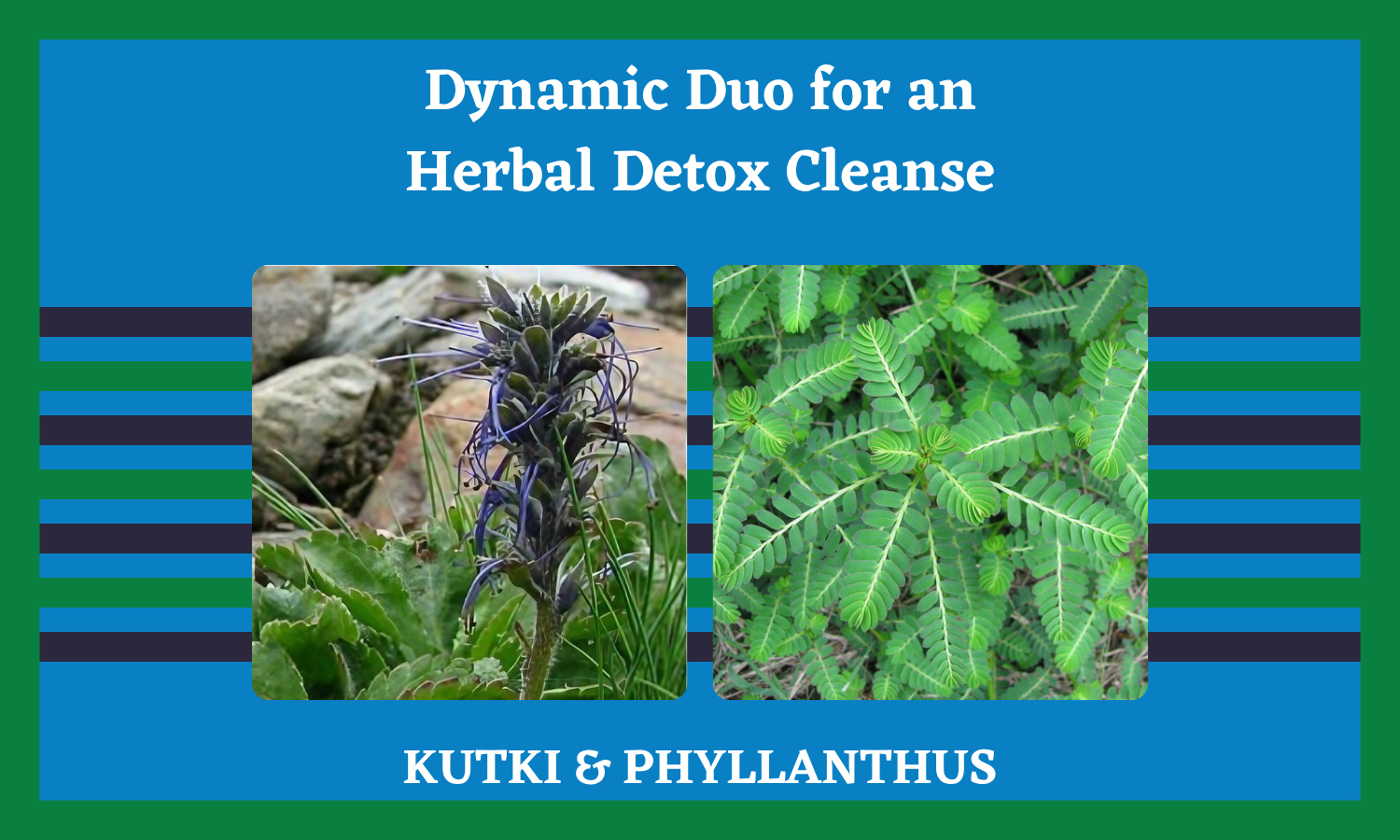
This liver cleansing recipe discusses liver detoxification and how Phyllanthus niruri and Kutki provide all-natural herbal support.
Why Most “Liver Cleanses” and Liver Cleaning Recipes Miss the Point
If you’re searching for a liver cleansing recipe, you’re not alone. People look for liver support after holidays, stressful seasons, periods of indulgence, illness, medication use, or simply because they feel sluggish, inflamed, or “off.”
And the internet offers plenty of answers—juice cleanses, extreme fasts, supplement stacks, and overnight detox promises.
Here’s the truth we’ve learned after years of working with real people and real plants:
The liver is your body’s primary detoxification organ. It’s already working around the clock—filtering, transforming, neutralizing, storing, and recycling. The best liver cleansing recipe isn’t a harsh reset or a dramatic cleanse. It’s a daily, sustainable practice that helps the liver do what it’s already designed to do—efficiently and consistently.
That’s where diet, lifestyle, and gentle herbal support come in.
What Your Liver Actually Does (and Why It Can Get Overwhelmed)
The liver is one of the most metabolically active organs in the body. Weighing just over a pound, it quietly performs hundreds of essential tasks every day, including:
Filtering blood coming from the digestive tract
Processing nutrients from food
Breaking down alcohol, medications, and environmental toxins
Producing bile for fat digestion and waste removal
Regulating cholesterol and blood sugar
Synthesizing proteins and enzymes
Recycling old red blood cells
Helping regulate hormones and inflammation
Every meal you eat, every drink you consume, every pill or supplement you take—it all passes through the liver.
The modern problem isn’t that the liver doesn’t know how to detox. The problem is load.
Highly processed foods, excess sugar, alcohol, chronic stress, poor sleep, environmental pollutants, and long-term medication use all increase the liver’s workload. Over time, that load can slow filtration efficiency and contribute to fatigue, digestive discomfort, inflammation, skin issues, and metabolic imbalance.
That’s why a smart liver cleansing recipe focuses on reducing burden and improving flow—not forcing detox.
The liver is made up of millions of small functional units called lobules. Blood from the digestive tract enters the liver through the portal vein, carrying nutrients, hormones, medications, and toxins.
The liver binds those intermediate compounds to protective molecules (like glutathione), making them water-soluble so they can be eliminated via bile or urine.
If Phase 2 lags behind Phase 1—due to nutrient deficiencies, inflammation, or overload—those intermediates can build up and cause symptoms.
This is why aggressive cleanses can be risky. They can stimulate Phase 1 without supporting Phase 2, leaving the liver overwhelmed.
A real liver cleansing recipe supports:
Balanced enzyme activity
Healthy bile flow
Antioxidant defenses
Efficient elimination
And it does so gently and consistently.
Do You Actually Need a Liver Cleanse?
Most people don’t need a “cleanse” in the dramatic sense—but many people benefit from liver support.
Common signs that your liver may be under extra stress include:
A liver cleansing recipe (at least a good one) is about daily choices, not punishment.
Why Herbal Support Can Help as Part of a Liver Cleansing Recipe (When Used Correctly)
The liver is resilient—but it responds well to botanical support that aligns with its natural processes.
At Linden Botanicals, two all-natural herbs stand out for gentle, effective liver support:
Phyllanthus niruri (Chanca Piedra)
Kutki (Picrorhiza kurroa)
Phyllanthus niruri and Kutki don’t force detox. Instead, they support flow, protection, and balance.
Phyllanthus niruri: The Daily Liver Support Herb
Phyllanthus niruri—commonly known as Chanca Piedra or “Stone Breaker”—has a long history of traditional use and a substantial body of modern research.
It contains over 100 bioactive compounds, including flavonoids, lignans, tannins, and phenylpropanoids that contribute to its wide-ranging effects.
How Phyllanthus niruri Supports the Liver
Protects liver cells from oxidative stress
Supports healthy bile flow
Helps maintain antioxidant defenses like glutathione
Supports immune balance
Assists digestive and urinary elimination
Phyllanthus niruri also supports the kidneys, which work alongside the liver to remove metabolic waste and maintain fluid and electrolyte balance. Its broad antioxidant profile helps protect tissues throughout the body while its traditional digestive uses make it especially relevant for people seeking whole-system support rather than a harsh, short-term cleanse.
We also value its versatility: the same herb associated with liver health is widely known for kidney stone support, immune resilience, and healthy inflammatory balance. That breadth is one reason Phyllanthus niruri became Linden Botanicals’ flagship herb and remains part of our team’s everyday wellness routine.
Phyllanthus niruri is particularly well-suited to daily use, which is exactly what a sustainable liver cleansing recipe requires. The Phyllanthus niruri FAQ provides much more information about this all-natural herb.
At Linden Botanicals, it’s one of the herbs we drink daily as a looseleaf tea. It’s earthy, green, grounding, and remarkably gentle.
Kutki (Picrorhiza kurroa): Deep Liver and Bile Support
Kutki is a revered herb in Ayurvedic medicine and is traditionally associated with liver repair, bile flow, and inflammation balance. Its key compounds—iridoid glycosides—are widely studied for their hepatoprotective properties.
How Kutki Supports Liver Health
Encourages healthy bile production and flow
Helps calm liver inflammation
Supports liver regeneration pathways
Provides antioxidant protection
Supports skin health via liver function
Kutki is especially helpful when the liver feels “sluggish”—when digestion is slow, skin issues flare, or inflammation seems to linger. The Kutki FAQ provides much more information about this all-natural herb.
Kutki also supports digestive efficiency because bile plays an important role in breaking down dietary fats and helping the body absorb fat-soluble vitamins. Its antioxidant compounds may help protect liver cells from oxidative stress caused by medications, alcohol, environmental exposures, and normal metabolic activity.
Because liver health is closely connected to digestion, metabolism, skin clarity, and whole-body inflammatory balance, Kutki can offer broader support than its reputation as a traditional “liver herb” might suggest. It is best viewed as a steady, restorative botanical that supports the liver’s natural work rather than forcing an aggressive detox response.
Why Phyllanthus niruri and Kutki Work Better Together
A smart liver cleansing recipe addresses multiple aspects of liver function:
Protection (from oxidative stress and inflammation)
Flow (bile production and elimination)
Balance (enzyme activity and immune response)
Phyllanthus niruri excels at protection and daily detox support. Kutki excels at bile flow and deeper liver restoration.
Together, they offer complementary support without harsh stimulation—ideal for long-term liver care.
A Simple, Sustainable Liver Cleansing Recipe
Here’s what a realistic liver cleansing recipe looks like in practice:
Daily
Eat whole, minimally processed foods
Drink plenty of water
Enjoy 1-2 cups of Phyllanthus niruri tea (bonus: it tastes great!)
Prioritize sleep and stress reduction
Several Times Per Week
Include bitter greens or cruciferous vegetables
Limit alcohol and added sugar
Support digestion with mindful eating
As Needed
Add Kutki extract during periods of increased liver stress (travel, medication use, indulgence, high stress)
This isn’t a cleanse you “do.” It’s a rhythm you maintain.
Why We Avoid Extreme Detoxes
Many products marketed as “liver cleanses” rely on:
Harsh laxatives
Extreme fasting
Aggressive stimulation
These approaches can actually stress the liver further, disrupt electrolyte balance, and leave people feeling worse.
A true liver cleansing recipe:
Supports what the liver already does
Improves efficiency, not intensity
Respects the body’s timing
Slow, steady support wins.
Why Choosing Quality Matters
Not all herbal products are created equal. Species accuracy, sourcing, freshness, and preparation all affect outcomes.
At Linden Botanicals, we source:
Authentic, high-quality Phyllanthus niruri
Authentic, high-quality Kutki (Picrorhiza kurroa)
Carefully handled, thoughtfully prepared herbs
Quality matters—especially when supporting an organ as vital as the liver.
Three More Traditional Liver Support Herbs
While Kutki (Picrorhiza kurroa) and Phyllanthus niruri are two of our favorite liver-focused botanicals, they’re not the only herbs with a long history of traditional use for liver support.
Three additional herbs that are often discussed in traditional contexts as supportive allies for liver health are Semen cuscutae (Dodder Seed), Haritaki (Terminalia chebula), and Paeonia lactiflora (white peony root).
Semen cuscutae (Dodder Seed)
In traditional Chinese medicine, Semen cuscutae is classically used as a tonifying herb, which is often associated with supporting vitality and resilience. In liver-support traditions, it is believed to strengthen the body (especially during periods of fatigue, stress, or depletion).
Semen cuscutae is often valued as a supportive herb for whole-system balance—an important theme in both Ayurveda and TCM, where liver wellness is closely connected to energy, recovery, and long-term vitality. The Semen cuscutae FAQ provides additional information about this all-natural herb.
Haritaki (Terminalia chebula)
Haritaki is one of Ayurveda’s most revered fruits. In fact, it’s often called a “king” among botanicals for its broad supportive roles.
In a liver-health context, Haritaki is frequently used because it supports digestive function and regular elimination. It’s rich in antioxidant compounds that help the body manage oxidative stress—one of the major drivers of modern metabolic strain. Many traditional approaches view liver health as deeply connected to digestion and detox pathways. Haritaki fits naturally into that framework, especially for people who feel “sluggish,” inflamed, or burdened by poor dietary patterns. The Haritaki FAQ provides additional information about this all-natural herb.
Paeonia lactiflora (white peony root)
In traditional Chinese medicine (TCM), Paeonia lactiflora is widely used for supporting balance and harmony in the body. It’s often associated with supporting healthy “liver” function in the broader TCM sense, which includes emotional stress, irritability, and tension that can have downstream effects on digestion and overall well-being.
Some traditional liver-support strategies focus not only on detox pathways, but also on stress response and systemic balance. This distinction is important because chronic stress can contribute to inflammatory load and metabolic dysfunction over time. The Paeonia lactiflora FAQ provides additional information about this all-natural herb.
The Best Liver Cleansing Recipe Is the One You Can Live With
Your liver doesn’t need extremes. It needs consistency.
A well-designed liver cleansing recipe:
Reduces daily burden
Supports natural detox pathways
Includes food, rest, and gentle herbs
Fits into real life
Phyllanthus niruri and Kutki are not shortcuts. They’re allies—plants that work with your body rather than against it. To learn more about these all-natural herbs, check out the Phyllanthus niruri FAQ and the Kutki FAQ.
Support your liver daily, and it will quietly return the favor—doing its job better, longer, and more efficiently.
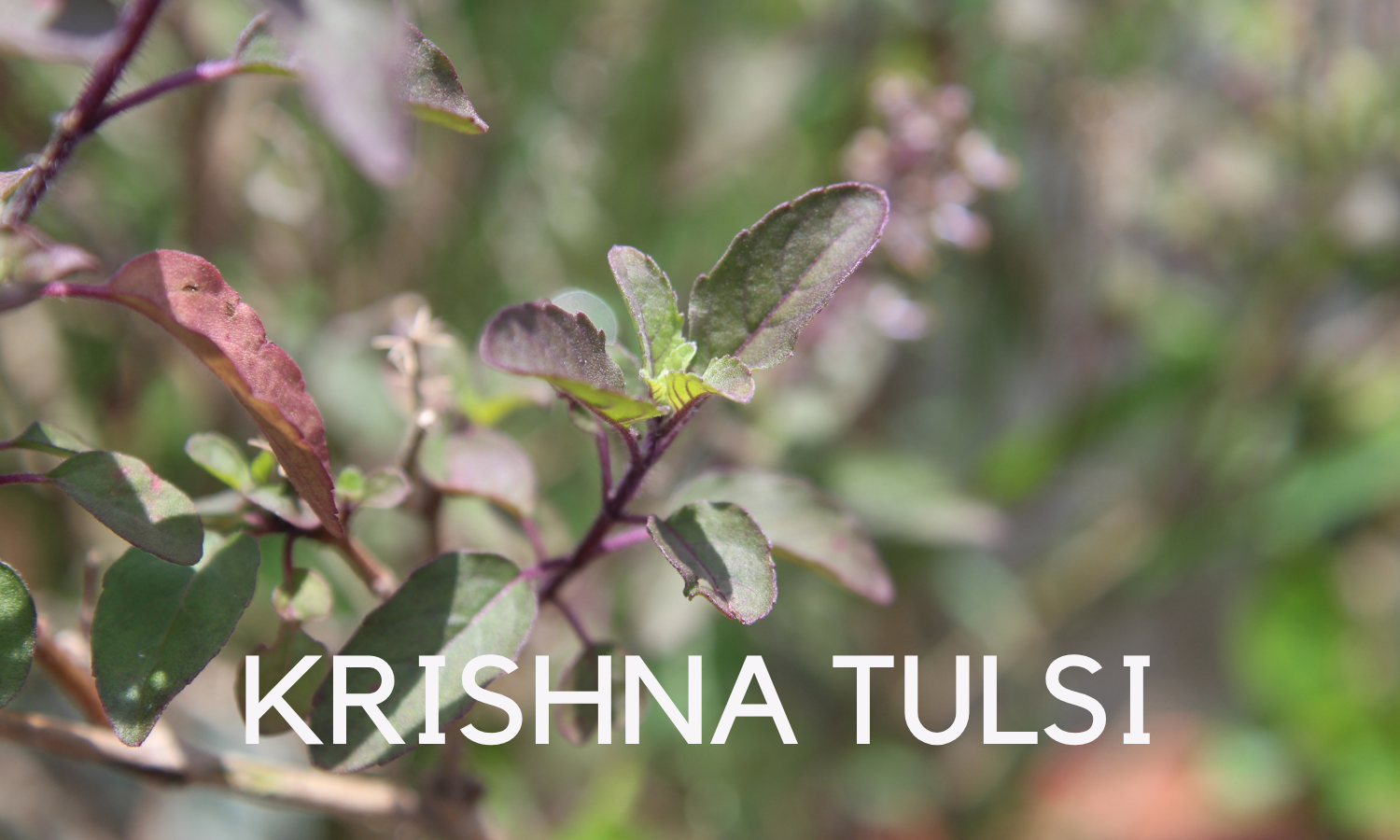
Tulsi Krishna offers traditional, natural adaptogenic support for stress balance, energy, mood, resilience, and long-term whole-body wellness. If you’re familiar with Tulsi Krishna, you may
An herb detox cleanse should support natural liver, kidney, and digestive functions instead of promised shortcuts. The idea of a detox cleanse is appealing.
The best female hormone balance supplements support reproductive wellness, stress resilience, bone health, energy, and healthy aging. If you’re researching the best female hormone balance
A natural kidney detox cleanse supports healthy filtration, urinary function, and kidney wellness with thoughtful daily habits. If you’re searching for a natural kidney detox