Liver disease signs and symptoms, why diet matters, and how Kutki and Phyllanthus niruri support liver health.
Your Liver Works Quietly—Until It Can’t
Most of us don’t think about the liver unless something feels “off.” And that’s understandable: the liver is remarkably resilient, and it does its work silently in the background—filtering, processing, balancing, recycling, and powering hundreds of functions that keep you alive and well.
But liver stress can build gradually. That’s why understanding liver disease signs and symptoms matters. When issues appear, they may show up as vague fatigue, unexplained digestive changes, stubborn skin flare-ups, or swelling—signals that are easy to dismiss until they become impossible to ignore.
This guide is designed to help you:
-
Understand what your liver does and why diet matters
-
Recognize common liver disease signs and symptoms (early and late)
-
Learn why “detox” is often misunderstood—and what gentle support actually means
-
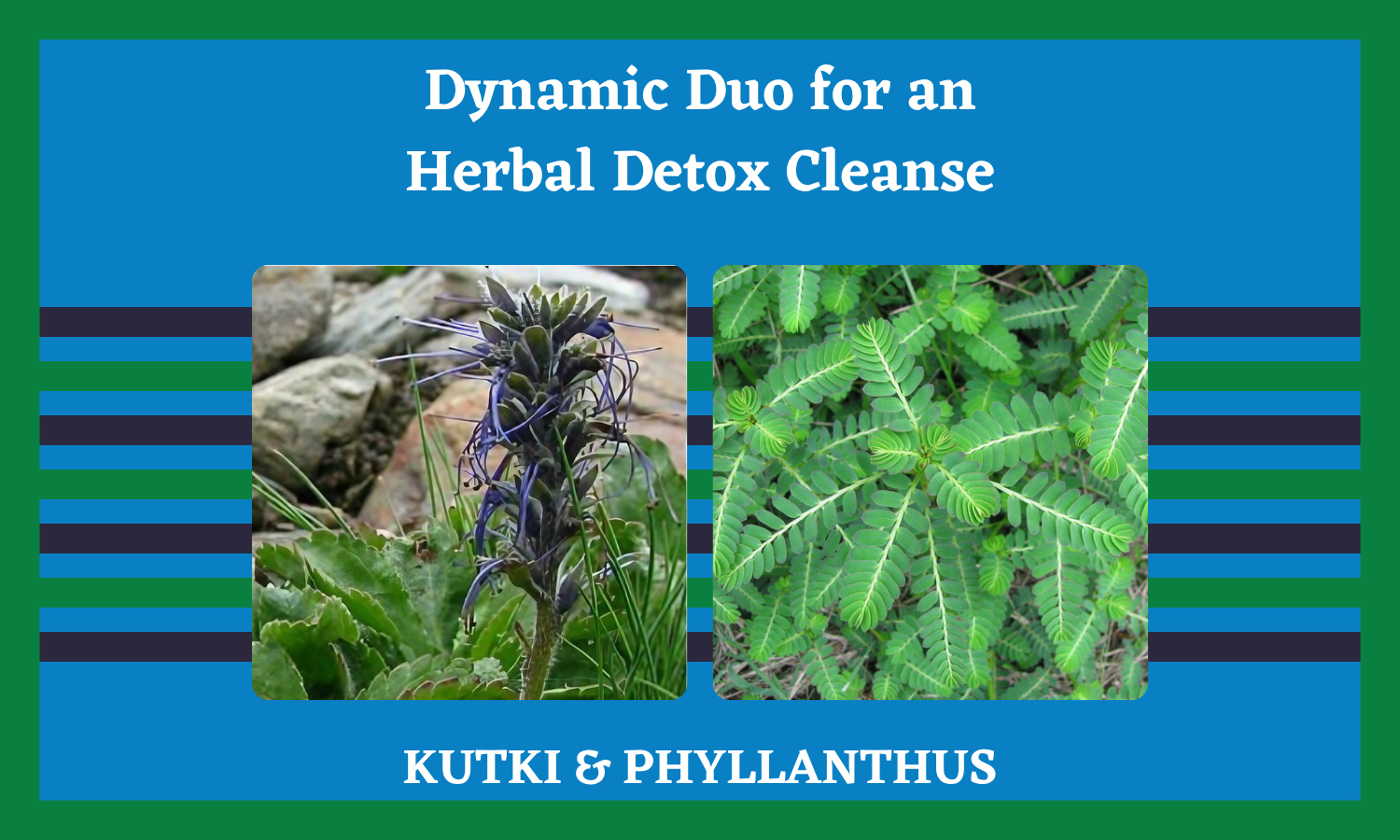
Explore two exceptional herbs for liver health support: Kutki (Picrorhiza kurroa) and Phyllanthus niruri
A quick note on tone and integrity (the Linden Botanicals way): We don’t sell miracle cures. We do believe in thoughtful, evidence-informed plant support—especially when paired with liver-friendly habits.
Liver Disease Signs and Symptoms: What Your Liver Does (and Why It’s So Central to Your Health)
Your liver weighs about 1.1 pounds (0.5 kg) and is one of the largest and most vital organs in the body. It’s also the largest digestive gland—meaning it sits at the center of metabolism, digestion, detoxification, and nutrient processing.
Think of it as your body’s multitasking powerhouse. The liver helps with:
-
Detoxification: Breaking down substances from food, alcohol, medications, and environmental exposures
-
Metabolism: Processing nutrients and converting them into usable energy
-
Bile production: Supporting fat digestion and waste elimination
-
Protein and enzyme production: Making proteins needed for blood and countless metabolic processes
-
Hormone regulation: Helping balance key hormones
-
Recycling old red blood cells and managing bilirubin (a major clue in jaundice)
The liver is also among the most fundamental body organs, performing a wide variety of health functions. For instance, as the largest digestive gland, it steers the body’s metabolic activities, breaking down red cells, synthesizing hormones and proteins, storing hormones, and performing detoxification.
And when the liver is struggling, many systems feel it—digestion, energy, skin, mood, inflammation, and even cognition.
Why “Fatty Liver” Language Has Changed (and Why That Matters)
You may have heard the term NAFLD (nonalcoholic fatty liver disease). In recent years, liver experts recommended updated terminology: NAFLD is now referred to as MASLD (metabolic dysfunction–associated steatotic liver disease).
Why mention this in a consumer-friendly blog? Because your lab results, doctor visits, and online research may use both terms for a while. Knowing the new name helps you find the most current information—and it highlights a key point: for many people, liver health is deeply tied to metabolic health (blood sugar balance, triglycerides, insulin resistance, and inflammation).
Liver Disease Signs and Symptoms: Early Clues vs. Later Warning Signs
One reason liver conditions can progress is that the liver can compensate for a long time before symptoms become obvious. But there are common patterns. Below is a practical, non-alarmist overview of liver disease signs and symptoms—from subtle early clues to more serious late-stage signs.
Early or “Easy-to-Miss” Liver Disease Signs and Symptoms
These symptoms can have many causes (stress, sleep issues, thyroid imbalance, infections, nutrient deficiencies), but they’re worth paying attention to—especially if they persist:
-
Persistent fatigue or low energy (the “I’m tired no matter what I do” feeling)
-
Loss of appetite or nausea
-
Digestive discomfort, especially after rich meals
-
Unexplained itching (can relate to bile flow issues)
-
More sensitivity to alcohol or medications than usual
-
Brain fog or a sense that your mental clarity isn’t what it used to be
-
New or worsening skin issues (not always liver-related, but sometimes linked)
These aren’t diagnostic. They’re “check in with your body” signals—especially if they come in clusters.
More Concerning Liver Disease Signs and Symptoms
Healthcare systems commonly list these as late-stage or more serious signs that warrant prompt medical evaluation:
-
Jaundice (yellowing of skin/eyes)
-
Dark urine and pale stools (bile processing issues)
-
Easy bruising or bleeding (liver-related clotting factor changes)
-
Fluid buildup: swelling in legs or abdomen (edema/ascites)
-
Confusion, sleep reversal, or mental changes (hepatic encephalopathy)
-
Abdominal swelling, pressure, or pain
-
Vomiting blood or black stools (possible varices—urgent)
If you’re experiencing these, this is not a “self-treat with supplements” moment. It’s a “get medical evaluation” moment.
Liver Disease Signs and Symptoms: Diet and Liver Health
The foods you eat every day directly impact your liver’s workload. Every bite either helps or adds burden.
Your liver is designed to filter and process an enormous range of substances—nutrients, hormones, alcohol, medications, and metabolic byproducts. But modern life adds layers of stress: ultra-processed foods, high sugar intake, chronic stress, poor sleep, sedentary habits, and constant low-grade inflammation.
Liver-Friendly Foods That Support Your Body’s Built-in Systems
A liver-supportive diet tends to emphasize:
-
Leafy greens and deeply colored vegetables
-
Cruciferous vegetables (broccoli, cauliflower, Brussels sprouts)
-
Citrus and other vitamin-C-rich foods
-
Beets and other polyphenol-rich plants
-
Garlic and onions
-
High-fiber foods that support healthy elimination
These patterns support metabolic balance and reduce inflammation—both of which are foundational for liver health.
Liver-Stressing Foods That Make Your Liver Work Overtime
Common “liver load” contributors include:
-
Highly processed foods
-
Refined sugars and sugary drinks
-
Trans fats and deep-fried foods
-
Excess alcohol
-
Chronic overeating (especially when paired with low activity)
We don’t believe in food shame. We do believe in food feedback: if your energy, digestion, and labs are drifting in the wrong direction, your liver may be asking for a gentler daily environment.
“Detox” and the Liver: What It Really Means (and What It Doesn’t)
Let’s talk about the phrase “liver detox,” because it’s everywhere—and it’s often misleading.
Your liver already detoxifies. That’s literally one of its primary jobs. What most people mean when they say “detox” is:
-
Supporting healthy bile flow
-
Supporting antioxidant defenses (like glutathione pathways)
-
Reducing inflammation and oxidative stress
-
Lowering metabolic burden (sugar, processed foods, excess alcohol)
-
Improving digestion and elimination so waste exits efficiently
A responsible liver-support approach doesn’t try to “force detox.” It supports the systems that already exist—gently, consistently, and safely.
And importantly: some supplements marketed as “detox” can actually be harmful if used recklessly or if they contain questionable ingredients. (If you have known liver disease signs or symptoms or abnormal liver enzymes, it’s wise to run supplements by your clinician.)
Liver Disease Signs and Symptoms: Everyday Clues That Your Body May Be Asking for Help
You asked for a section like this, and we’ll keep it grounded.
You don’t need to wait for a diagnosis to support liver health. Many people choose to prioritize liver-friendly habits when they notice patterns like:
-
Frequent sugar cravings
-
Feeling sluggish or tired more often than you used to
-
Seasonal allergy flare-ups and inflammatory “sensitivity”
-
Feeling more joint pain or stiffness than usual
-
Gradual weight gain, especially around the midsection
-
Higher levels of stress and anxiety on a regular basis
None of these are definitive liver disease signs and symptoms. But together, they can be signs that inflammation and metabolic burden are rising—and that supporting foundational systems (including the liver) may help you feel more like yourself again.
Two Exceptional Herbs for Liver Health Support
At Linden Botanicals, we focus on a small, curated collection of herbs—chosen for traditional use, emerging scientific interest, and real-world experience. For liver support, two stand out:
They support liver health in complementary ways—and we’ll explain how.
Why We Love Kutki (Picrorhiza kurroa)
Kutki is a revered herb in Ayurvedic tradition and is widely discussed for liver support. Modern reviews describe Picrorhiza kurroa as containing key phytochemicals (including iridoid glycosides) and exploring its pharmacological potential, including hepatoprotective activity.
How Kutki Supports the Liver (Gently, Not Aggressively)
Kutki is often chosen because it may support:
-
Liver repair and regeneration pathways (linked to iridoid glycosides)
-
Inflammation balance in the liver
-
Healthy bile production and bile flow, which supports digestion and waste elimination
-
Natural antioxidant defenses, helping the liver handle oxidative stress
This is why Kutki often makes sense for people who feel “overburdened” internally—especially those trying to address liver disease signs and symptoms and support liver health through diet upgrades and consistent routines.
Kutki and Skin: Why the Connection Makes Sense
Traditional systems often link skin health and liver function—not because the liver “causes” skin problems, but because inflammation and metabolic burden can show up in multiple tissues at once.
Kutki is often used in “skin-from-within” routines because it may:
-
Support bile flow and liver processing (often described as supporting “blood cleansing” in traditional language)
-
Calm systemic inflammation that can contribute to reactive skin
-
Provide antioxidant protection that supports healthier-looking skin over time
If you’re someone who notices that your skin flares when your diet is off or stress is high, liver-supportive habits plus Kutki may be a thoughtful avenue to explore.
You can learn more about Kutki by reading the Kutki FAQ.
Why We Also Love Phyllanthus niruri (Chanca Piedra)
Phyllanthus niruri has a long history of use in traditional medicine systems and is widely studied for liver-related applications. One clinical paper notes its hepatoprotective background across preclinical and clinical studies. A mechanistic study in PLOS ONE also explored hepatoprotective extracts and active compounds.
Phyllanthus niruri is sometimes called “Stone Breaker,” but at Linden Botanicals we also value it as a broader liver + kidney + digestive support herb.
How Phyllanthus niruri Supports Liver Health
Phyllanthus niruri is often chosen because it may support:
-
Protection of liver cells under stress (oxidative load, inflammation)
-
Antioxidant defenses, including pathways connected to glutathione (a major internal antioxidant system)
-
Healthy bile flow and digestive processing of fats
-
Immune balance, with research interest in liver-related viral contexts
It contains many bioactive constituents (polyphenols, flavonoids, lignans, tannins, and more) that are frequently discussed in the context of antioxidant and hepatoprotective activity.
A Clear, Honest Note About Evidence: Phyllanthus niruri is the subject of many scientific studies, including this study and this study. It can go a long way toward supporting your detox and cleanse support goals by helping to protect your kidneys, your liver, and your overall digestive health.
Published research includes mechanistic and clinical exploration—alongside the need for more high-quality trials in specific conditions related to liver disease signs and symptoms. That’s how we prefer to talk about herbs: traditionally used, promising, and researched—without pretending the science is more definitive than it is.
You can learn more about Phyllanthus niruri by reading the Phyllanthus niruri FAQ.
Why Use Kutki and Phyllanthus niruri Together?
These two herbs are often paired because they support liver health from different angles:
-
Kutki: often used for bile flow, inflammation balance, and liver repair/regeneration support
-
Phyllanthus niruri: often used for antioxidant defense, cellular protection, and whole-system detox pathway support
Together, they create a more complete “support spectrum”—especially when paired with liver-friendly diet upgrades and realistic alcohol/sugar moderation.
Three More Traditional Liver Support Herbs
While Kutki (Picrorhiza kurroa) and Phyllanthus niruri are two of our favorite liver-focused botanicals, they’re not the only herbs with a long history of traditional use for liver support. In both Ayurveda and Traditional Chinese Medicine (TCM), practitioners have relied on a broader herbal toolkit to help the body maintain healthy liver function—especially when stress, inflammation, sluggish digestion, or long-term depletion are part of the picture.
Below are three additional herbs that are often discussed in traditional contexts as supportive allies for liver disease signs and symptoms and overall liver wellness.
How these herbs fit into a modern wellness plan: If you’re supporting your liver through diet upgrades and gentle foundational habits, these herbs may offer complementary “whole-person” supports—especially when stress, fatigue, digestive sluggishness, and inflammation overlap.
Semen cuscutae (Dodder Seed)
In traditional Chinese medicine, Semen cuscutae is classically used as a tonifying herb—often associated with supporting vitality and resilience. In liver-support traditions, it’s sometimes included in broader formulas aimed at strengthening the body’s foundation (especially during periods of fatigue, stress, or depletion).
While it’s not “liver-specific” in the narrow, modern marketing sense, it’s often valued as a supportive herb for whole-system balance—an important theme in both Ayurveda and TCM, where liver wellness is closely connected to energy, recovery, and long-term vitality.
You can leran more about Semen cuscutae by reading the Semen cuscutae FAQ.
Haritaki (Terminalia chebula)
Haritaki is one of Ayurveda’s most revered fruits, often called a “king” among botanicals for its broad supportive roles. In a liver-health context, Haritaki is frequently used because it supports digestive function and regular elimination, and it’s rich in antioxidant compounds that help the body manage oxidative stress—one of the major drivers of modern metabolic strain.
Many traditional approaches view liver health as deeply connected to digestion and detox pathways; Haritaki fits naturally into that framework, especially for people who feel “sluggish,” inflamed, or burdened by poor dietary patterns.
You can leran more about Haritaki by reading the Haritaki FAQ.
Paeonia lactiflora (White Peony Root)
In TCM, Paeonia lactiflora is widely used for supporting balance and harmony in the body—often in formulas involving stress patterns and tension. In traditional language, it’s frequently associated with supporting healthy “liver” function in the broader TCM sense (which includes emotional stress, irritability, and tension that can have downstream effects on digestion and overall well-being).
The practical takeaway is this: some traditional liver-support strategies focus not only on detox pathways, but also on stress response and systemic balance, because chronic stress can contribute to inflammatory load and metabolic dysfunction over time.
You can leran more about Paeonia lactiflora by reading the Paeonia FAQ.
A Practical, Liver-Friendly Support Plan
If you want an actionable routine that doesn’t feel extreme, here’s a balanced approach that aligns with your body’s real physiology:
1) Choose one liver-friendly upgrade this week
-
Add cruciferous vegetables 3–4 times/week
-
Replace one sugary drink with water + citrus
-
Add beans or fiber to support elimination
-
Reduce late-night ultra-processed snacking
2) Support recovery (sleep + stress)
The liver does a lot of its “maintenance work” when you’re sleeping. Chronic stress also increases inflammation—so stress support is liver support.
3) Add gentle herbal support
Consider Kutki and/or Phyllanthus niruri as part of a consistent routine—especially if you’re focused on long-term resilience rather than quick fixes.
4) Know when to seek medical care
If you suspect true liver disease—or if you’re seeing concerning liver disease signs and symptoms like jaundice, ascites, confusion, vomiting blood, or severe swelling—get medical evaluation promptly.
Your Liver Does a Lot—Help It Do the Job Well
Your liver works hard every day to keep you healthy—filtering, processing, balancing, and protecting you in ways you rarely notice.
If you have liver disease signs or symptoms or you’re trying to feel clearer, lighter, more energized, and more resilient, start with the basics: liver-friendly food, hydration, sleep, stress reduction, and honest reflection on alcohol and sugar load.
Then, if you want additional plant-based support, Kutki (Picrorhiza kurroa) and Phyllanthus niruri are two of our favorite herbs—chosen for traditional use, modern research interest, and gentle alignment with the liver’s natural processes.
Because the best “detox” isn’t a harsh cleanse.
It’s a steady, nourishing approach that helps your body do what it was designed to do—well, and for a long time.
Buy Kutki Buy Phyllanthus