A Lyme specialist guides recovery while lifestyle, medical care, and herbal support help restore balance and resilience.
If you’ve found yourself searching for a Lyme specialist, it’s rarely casual.
Something has shifted. Something doesn’t feel right. And more often than not, you’ve already been down a few paths that didn’t lead to clear answers.
Maybe you’ve been diagnosed and are trying to understand what comes next. Maybe you’ve been told “everything looks normal,” even though your body is telling you otherwise. Or maybe someone you love is struggling, and you’re trying to make sense of a condition that doesn’t seem to follow predictable rules.
This is where many Lyme journeys begin—not with certainty, but with questions.
At Linden Botanicals, we’ve had countless conversations with people navigating Lyme disease from all angles. Some are newly diagnosed. Others have been dealing with symptoms for years. Many are somewhere in between—caught in that difficult space where they know something is wrong, but haven’t yet found the right framework to understand it.
This guide is meant to meet you there. Not with hype or quick fixes, but with grounded, experience-informed insight into what Lyme disease is, why working with a Lyme specialist matters, and how to think about meaningful, sustainable support.
Download the Essential Guide to Herbal Support for Lyme Disease.
Why So Many People Search for a Lyme Specialist
Lyme disease has a way of challenging the conventional medical experience.
On paper, it can look straightforward: a bacterial infection transmitted by a tick, treated with antibiotics. But in practice, many people find that their experience doesn’t fit neatly into that model.
Symptoms can be wide-ranging and inconsistent. They can come and go, shift in intensity, or affect different systems at different times. Testing can be inconclusive. And for many people, the most difficult part isn’t just the symptoms—it’s feeling like those symptoms aren’t fully understood.
This is why the search for a Lyme specialist becomes so important.
A Lyme specialist isn’t just someone familiar with the diagnosis. It’s someone who understands the complexity of how Lyme can present, how it can persist, and how it can affect the body over time. It’s someone willing to look beyond a single test result and consider the full picture—symptoms, history, patterns, and progression.
Most importantly, it’s someone who listens.
Understanding Lyme Disease Beyond the Basics
Lyme disease is most commonly caused by the bacterium Borrelia burgdorferi, transmitted through the bite of an infected tick. In its early stages, it may present with symptoms that resemble the flu—fatigue, fever, headaches, and muscle aches. Some people develop the well-known Lyme rash bullseye, though many do not.
When caught early, Lyme can often be treated effectively. But not every case is caught early. And not every body responds the same way.
As the infection progresses—or in cases where it isn’t fully resolved—symptoms can begin to affect multiple systems. This is where Lyme starts to feel less like a single condition and more like a complex, whole-body experience.
Neurological symptoms may emerge: brain fog, memory lapses, sensitivity to light or sound, disrupted sleep. Musculoskeletal issues often follow, including migrating joint pain, stiffness, and inflammation that doesn’t behave like a typical injury. Some people experience cardiovascular symptoms, such as palpitations or irregular heartbeat. Others describe profound fatigue that doesn’t improve with rest.
This variability is one of the defining features of Lyme disease—and one of the reasons working with a Lyme specialist can be so valuable.
Why Lyme Disease Can Be So Persistent
One of the most frustrating aspects of Lyme disease is that it doesn’t always resolve in a straightforward way. Even after treatment, symptoms can linger or return, leaving people wondering why.
There isn’t a single answer, but several factors are commonly discussed in both clinical and research settings.
First, there are persister cells—forms of bacteria that enter a low-metabolic state, making them less responsive to treatment. These cells can remain in the body and potentially reactivate later.
Second, there’s the issue of biofilms. Bacteria can form protective communities that shield them from both the immune system and external interventions. These structures can make infections more difficult to fully resolve.
Third, many ticks carry more than one pathogen. Co-infections such as Bartonella or Babesia can complicate the picture and contribute to a broader range of symptoms.
And finally, there’s the body itself. Lyme disease can disrupt immune balance, sometimes leaving the system in a heightened or dysregulated state even after the initial infection has been reduced.
A Lyme specialist understands these complexities and layers. They don’t tend to view Lyme as a one-step problem with a one-step solution. They recognize that recovery often involves addressing multiple systems over time.
What a Lyme Specialist Actually Brings to the Table
When people think about finding a Lyme specialist, they often think in terms of treatment. But in many cases, what matters just as much is perspective.
A Lyme specialist looks at patterns, not just isolated symptoms. They consider how different systems interact—immune, neurological, digestive, musculoskeletal—and how those interactions evolve over time.
They also understand that recovery isn’t linear. There may be periods of improvement followed by setbacks. There may be adjustments along the way. What matters is not perfection, but progress.
And perhaps most importantly, a Lyme specialist helps create a framework. Instead of chasing symptoms one by one, you begin to understand how they connect—and how to support the body as a whole.
The Role of Daily Life in Lyme Recovery
Even with the right guidance, what happens day to day matters.
Sleep becomes foundational. Not just the number of hours, but the quality of rest and the consistency of rhythm. Nutrition plays a central role—not in the sense of restrictive diets, but in reducing the burden on the body and supporting steady energy and digestion.
Stress, too, becomes part of the equation. Chronic stress can amplify inflammation, disrupt sleep, and slow recovery. Learning to manage it—whether through movement, time outdoors, or simple daily practices—can make a meaningful difference.
These aren’t dramatic interventions. They’re small, consistent shifts that support the body’s ability to heal.
Where Herbal Support Fits In
At some point, many people working with a Lyme specialist begin exploring additional forms of support. This is where herbal approaches often come into the conversation.
Not as a replacement for medical care—but as a complement.
Certain botanicals have long histories of traditional use and are now being studied for their roles in immune support, inflammation balance, and microbial activity. Others are valued for supporting detox pathways or helping the body maintain resilience during periods of stress.
What matters most is how they’re used.
The goal isn’t to overwhelm the system or force rapid change. It’s to support the body’s natural processes—steadily, consistently, and in alignment with the bigger picture.
Understanding Persister Support: One of the concepts that often comes up in later-stage Lyme discussions is the idea of “persister support.”
As mentioned earlier, persister cells are bacterial forms that can evade typical treatment strategies. While research is ongoing, many Lyme specialists take a layered approach—supporting the immune system, addressing biofilms, and helping the body process inflammatory byproducts.
This is where thoughtfully combined herbal approaches can play a role.
A Thoughtful Approach: Persister Desister Kits
About two-thirds of the way through most Lyme journeys, people begin asking a different kind of question.
Not “What is this?” but “How do I support my body through this?”
At Linden Botanicals, this is exactly the question that led to the development of our Persister Desister Lyme Support Kits.
These kits weren’t designed as a quick fix or a standalone solution. They were designed to support people who are already doing the work—often in collaboration with a Lyme specialist—and want to add a layer of thoughtful, plant-based support.
Each kit includes three carefully selected botanicals:
- Cryptolepis sanguinolenta
- Cistus incanus
- Phyllanthus niruri
Each of these herbs has its own role, and together, they form a system.
Cryptolepis has been studied for its antibacterial properties and is often discussed in the context of Lyme-related pathogens. Cryptolepis has the distinction of being the only herbal with reported activity against all forms of the bacteria that is at the root of Lyme disease.
Cistus incanus is associated with biofilm disruption and immune support. Cistus incanus can help with the removal of biofilms and support mitochondrial health.
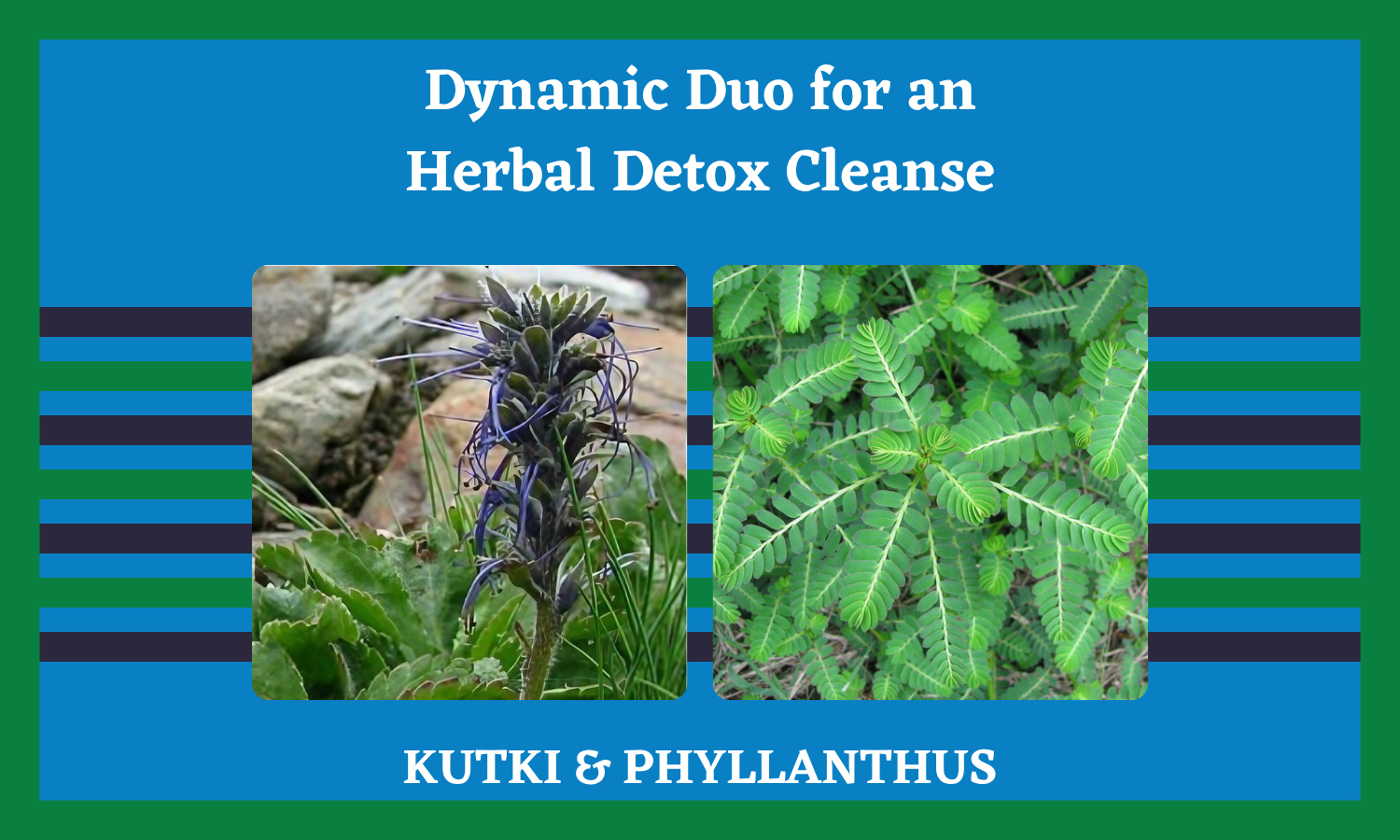
Phyllanthus niruri is the great “unmasker” known for helping to alert the immune system to the hiding pathogen. Phyllanthus niruri supports liver, kidney, and detox pathways—critical for processing the byproducts of both infection and treatment.
Phyllanthus niruri, also called Chanca Piedra, has been used around the world to provide support for kidney stones and a variety of chronic illnesses. It has significant antiviral, antibacterial, and anti-plasmodial properties. Research suggests that Phyllanthus niruri may be able to block the Lyme disease spirochete from replicating. It may interfere with the outer surface proteins that are integral to the ability of Borrelia burgdorferi to evade the immune system.
Together, they don’t force the body into action. They support it.
They help create an environment where the immune system can re-engage, where inflammatory load can be better managed, and where detox pathways can function more efficiently.
Most people incorporate these herbs into a daily routine—mixed into water, tea, or smoothies—alongside nutrition, hydration, and rest. The emphasis is always on consistency, not intensity.
Supporting Someone with Lyme Disease
If you’re reading this on behalf of someone else, your role matters more than you might realize.
Lyme disease can be isolating, especially when symptoms fluctuate or aren’t visible. One day someone may seem fine. The next, they may be exhausted or in pain. It can be hard to explain, and even harder to predict.
Support doesn’t mean having all the answers. It means listening. It means believing. It means being patient with a process that doesn’t follow a straight line.
Sometimes the most powerful thing you can offer is simply presence.
What Recovery Really Looks Like: There’s a moment many people expect—a clear turning point where everything suddenly improves.
In reality, recovery from Lyme disease is usually more gradual.
It looks like small shifts. Slightly better mornings. Less intense flare-ups. More consistent energy. A growing sense that the body is becoming more resilient.
There may still be setbacks. That’s part of the process. What matters is the overall direction.
A Lyme specialist helps guide that direction. Lifestyle supports it. And, for many people, herbal approaches help sustain it.
Finding the Right Lyme Specialist—and Supporting the Journey
If you’re searching for a Lyme specialist, trust that instinct. It’s often the first step toward clarity.
You deserve to be heard. You deserve a thoughtful, evolving plan. And you deserve support that respects the complexity of what you’re experiencing.
There is no single solution to Lyme disease. But there is a path forward—one built on understanding, consistency, and support.
At Linden Botanicals, we don’t see ourselves as the answer. Instead, we see ourselves as part of the support system.
And sometimes, that’s exactly what’s needed.
Persister Desister Is a Whole-System Herbal Approach
At Linden Botanicals, we’ve always believed that people deserve options—especially when navigating something as complex as Lyme disease.
That’s why we offer Phyllanthus niruri, Cistus incanus, and Cryptolepis sanguinolenta both as individual herbal extracts and, in the case of Phyllanthus and Cistus, as looseleaf teas. Some people prefer working with a single herb. Others build a daily tea ritual. Both approaches can be meaningful.
But over time, we kept hearing the same thing from people working with a Lyme specialist or navigating persistent symptoms on their own:
“I feel like I need something more comprehensive.”
That’s what led to the development of our Persister Desister Lyme Support Kits—a more coordinated, multi-layered botanical approach designed to support the body, not overwhelm it.
Why Combine These Three Herbs?
Lyme disease isn’t just about a single pathogen. For many people, it becomes a broader systems challenge involving immune imbalance, inflammatory load, detox strain, and microbial persistence.
In that context, a single herb can be helpful—but often incomplete.
By combining Cryptolepis, Cistus, and Phyllanthus, Persister Desister is designed to address multiple layers at once.
- Cryptolepis sanguinolenta is often discussed for its microbial-supportive properties and its role in helping maintain balance in the presence of challenging organisms. It also contributes anti-inflammatory support, which can be especially helpful when the immune system feels overactivated.
- Cistus incanus, rich in polyphenols, is valued for its antioxidant capacity and its association with biofilm support. Biofilms can act like protective shields, making it harder for the body to fully recognize and respond to certain microbes. Supporting biofilm balance may help shift that dynamic.
- Phyllanthus niruri, our flagship herb, supports liver and kidney function—two of the body’s most important detox pathways. When the immune system is engaged, these pathways become even more critical. Phyllanthus also brings antioxidant and anti-inflammatory support into the equation.
Together, these three botanicals form a more complete picture—supporting not just one pathway, but the broader system.
Supporting the Body, Not Forcing It
One of the guiding principles behind Persister Desister is restraint.
These kits are not designed to aggressively “attack” or overwhelm the body. Instead, they are formulated to support the body’s own processes—gently, consistently, and in alignment with how the immune system actually works.
This includes support for:
- Immune system recalibration
- Microbial balance
- Oxidative stress reduction
- Detoxification pathways
- Inflammatory regulation
In research settings, certain botanicals—including those in Persister Desister—have shown potential to influence microbial behavior, including forms that are less metabolically active or more difficult to address. While human research is still evolving, these findings help inform a more layered, thoughtful approach.
Why Detox and Energy Support Matter
One of the most overlooked aspects of Lyme recovery is how much strain it places on the body’s internal systems—not just the immune system, but also detox pathways and energy production.
When the body is under prolonged stress:
- The liver and kidneys work harder to process inflammatory byproducts
- Mitochondria—the energy centers of the cell—may become less efficient
- Oxidative stress can increase, especially when antioxidant defenses are depleted
This is why Persister Desister includes more than just microbial-focused support.
- Phyllanthus niruri helps support detox pathways
- Cistus incanus contributes antioxidant protection
- Cryptolepis supports microbial and inflammatory balance
Together, they help create a more stable internal environment—one that supports both response and recovery.
Reengaging the Immune System
One of the most common experiences people describe is the sense that something is lingering—something the body hasn’t fully cleared or recognized.
Whether related to biofilms, persister forms, or immune dysregulation, this feeling can be difficult to articulate—but very real.
Persister Desister is designed with this in mind.
Rather than forcing a reaction, it aims to support:
- Healthier immune awareness
- Balanced inflammatory signaling
- A more responsive internal environment
In this context, the goal isn’t intensity.
It’s reengagement.
Designed for Real Life
Each Persister Desister Kit includes:
- Cryptolepis sanguinolenta
- Phyllanthus niruri
- Cistus incanus
The kits are designed to be used consistently—mixed into water, tea, or smoothies—often alongside a broader plan developed with a Lyme specialist or integrative practitioner.
Because this kind of support doesn’t happen overnight.
It builds over time.
A More Complete Approach
Persister Desister isn’t positioned as a cure—and we’re intentional about that.
Lyme disease is complex. Recovery is individual. And no single product replaces thoughtful medical care or lifestyle support.
But what we’ve seen, again and again, is that a coordinated, multi-herb approach can offer something that single-herb strategies often can’t: depth.
By bringing together microbial support, biofilm considerations, antioxidant protection, detox pathway support, and immune balance, Persister Desister reflects how we think about herbal support at Linden Botanicals:
Not as a shortcut.
Not as a silver bullet.
But as a way to support the body—steadily, intelligently, and with respect for its complexity.
Three herbs. One purpose. Support your body as it works to regain balance.
Try Persister Desister Today
The Lyme disease epidemic is real, as are the Lyme disease long term symptoms many people experience. Persister Desister Kits are designed to help address Lyme disease long-term symptoms — regardless whether a Lyme rash bullseye ever appeared.
Persister Desister Kits contain individual packets of the three supplements — Cistus incanus, Cryptolepis, and Phyllanthus niruri. You can choose to take them together or one by one.
For more information, check out the Persister Desister FAQ, the Essential Guide to Herbal Support for Lyme Disease, and the Lyme Disease Resources on our site. The free Lessons from the Darkness e-book chronicles Michael Van der Linden’s four-year battle with Lyme disease. It also helps explain why Linden Botanicals is his passion project.
Buy Persister Desister