Joint pain Lyme disease sufferers experience often lingers after treatment. This guide explores causes and natural support.
When the Pain Doesn’t End
If you’re living with joint pain Lyme disease brought into your life, you already know this story rarely follows a neat arc. You may have caught the infection years ago. You may have done everything “right”—testing, antibiotics, rest, lifestyle changes—yet the pain remains. Knees swell. Hips ache. Shoulders stiffen. Some days feel manageable; others feel like setbacks you never agreed to.
At Linden Botanicals, we’ve walked this road personally. We’ve listened to hundreds of people who say the same thing in different ways: “I thought I’d be better by now.” Persistent joint pain after Lyme disease is not a failure on your part. It’s a reflection of how complex this illness truly is.
This article is here to help you understand why Lyme disease joint pain persists, what may be happening beneath the surface, and how carefully chosen botanical support—used responsibly—can play a role in long-term resilience and recovery.
Understanding Joint Pain in Lyme Disease
Lyme disease is caused by Borrelia burgdorferi, a highly adaptable bacterium transmitted through tick bites. While early treatment can be effective, many people experience lingering symptoms that persist months or even years later.
One of the most common and disruptive of these symptoms is joint pain.
Why Lyme Disease Targets the Joints
Joint tissue is particularly vulnerable because:
-
Borrelia can migrate into connective tissue, where it may be harder for the immune system—and antibiotics—to fully clear
-
The infection often triggers a strong inflammatory immune response, especially in large joints
-
In some cases, the immune system remains activated even after the initial infection resolves
This ongoing inflammation can resemble autoimmune arthritis, creating swelling, stiffness, and pain that may migrate from joint to joint.
For many, this results in a frustrating cycle: inflammation causes pain, pain limits movement, reduced movement worsens stiffness, and the body struggles to regain equilibrium.
Signs and Symptoms of Lyme Disease Joint Pain
Joint pain related to Lyme disease doesn’t always look like typical arthritis, which is one reason it’s so often misunderstood or misdiagnosed.
Common patterns include:
-
Swelling, especially in the knees
-
Stiffness after rest, particularly in the morning
-
Pain that worsens with activity rather than improving
-
Migrating discomfort, moving between joints unpredictably
-
Flare-ups that last days or weeks
Over time, chronic inflammation can degrade cartilage and connective tissue, affecting mobility and quality of life.
Recognizing these patterns is an important step in choosing support strategies that address not just symptoms—but underlying contributors.
Why Joint Pain Can Persist After Treatment
Many people assume that once antibiotics are finished, healing should be complete. Unfortunately, Lyme disease doesn’t always work that way.
Researchers believe persistent symptoms may be driven by several overlapping factors:
1. Residual Inflammation
Even after bacterial load is reduced, inflammatory pathways may remain overactive, continuing to irritate joint tissue.
2. Immune Dysregulation
The immune system may struggle to “stand down,” behaving as though the infection is still active.
3. Biofilms and Persister Cells
Borrelia has the ability to shift into dormant forms and protective biofilms, making it harder to fully eradicate and potentially reigniting inflammation.
4. Systemic Stress and Detox Burden
Antibiotics, infection, and prolonged illness can strain the liver, kidneys, and lymphatic system—organs critical for clearing inflammatory byproducts.
This is why many people with joint pain Lyme disease look beyond conventional approaches for additional, complementary support.
Natural Strategies That Support Joint Health in Lyme Disease
Managing Lyme-related joint pain is rarely about a single intervention. Instead, it’s about supporting the whole system so the body can regain balance.
Helpful lifestyle foundations include:
-
Anti-inflammatory nutrition rich in leafy greens, omega-3s, and polyphenols
-
Gentle movement like walking, swimming, or yoga to maintain mobility
-
Adequate hydration and sleep, essential for tissue repair
-
Stress reduction, since chronic stress fuels inflammatory pathways
For many people, herbal extracts also become an important part of this picture—especially when chosen thoughtfully and used consistently.
Herbal Extracts That May Support Joint Pain in Lyme Disease
At Linden Botanicals, we focus on herbs with both deep traditional use and modern scientific interest. For persistent Lyme symptoms, three botanicals stand out for their complementary roles.
Cryptolepis sanguinolenta: Targeting Persistent Microbial Stress
Cryptolepis sanguinolenta is a West African medicinal plant long used for infections and fevers. Modern research has brought renewed attention to this herb—particularly in the context of Lyme disease.
A well-known Johns Hopkins study found Cryptolepis to be uniquely active against multiple forms of Borrelia burgdorferi, including stationary-phase “persister” cells and biofilm-associated forms that are thought to contribute to persistent symptoms. Of seven herbal medicines tested against Borrelia burgdorferi—the bacterium that causes Lyme—only Cryptolepis completely eradicated stationary-phase (persister) cells, which are thought to fuel chronic symptoms and antibiotic resistance.
In contrast, standard antibiotics like doxycycline and cefuroxime reduced bacterial activity but failed to fully eliminate these stubborn forms.
For people experiencing joint pain Lyme disease, Cryptolepis may help by:
-
Supporting the body’s ability to manage lingering microbial stress
-
Helping calm inflammatory responses tied to immune activation
-
Offering broad-spectrum support without aggressive overstimulation
This balance is especially important for those whose systems are already taxed by chronic illness.
Cistus incanus: Biofilm Defense and Antioxidant Support
Cistus incanus is a Mediterranean herb prized for its exceptionally high polyphenol content. These compounds provide strong antioxidant activity, which is crucial for reducing oxidative stress associated with chronic inflammation.
One of Cistus incanus’ most compelling qualities is its potential role in biofilm disruption. Biofilms are protective structures that bacteria use to shield themselves from immune defenses. By weakening these barriers, Cistus may help the body more effectively address lingering microbial challenges.
Additional benefits include:
-
Immune system support without overstimulation
-
Cellular protection against oxidative damage
-
Gentle suitability for long-term use
For people managing joint pain tied to Lyme disease, this kind of steady, systemic support matters.
Phyllanthus niruri: Inflammation, Detox, and Immune Balance
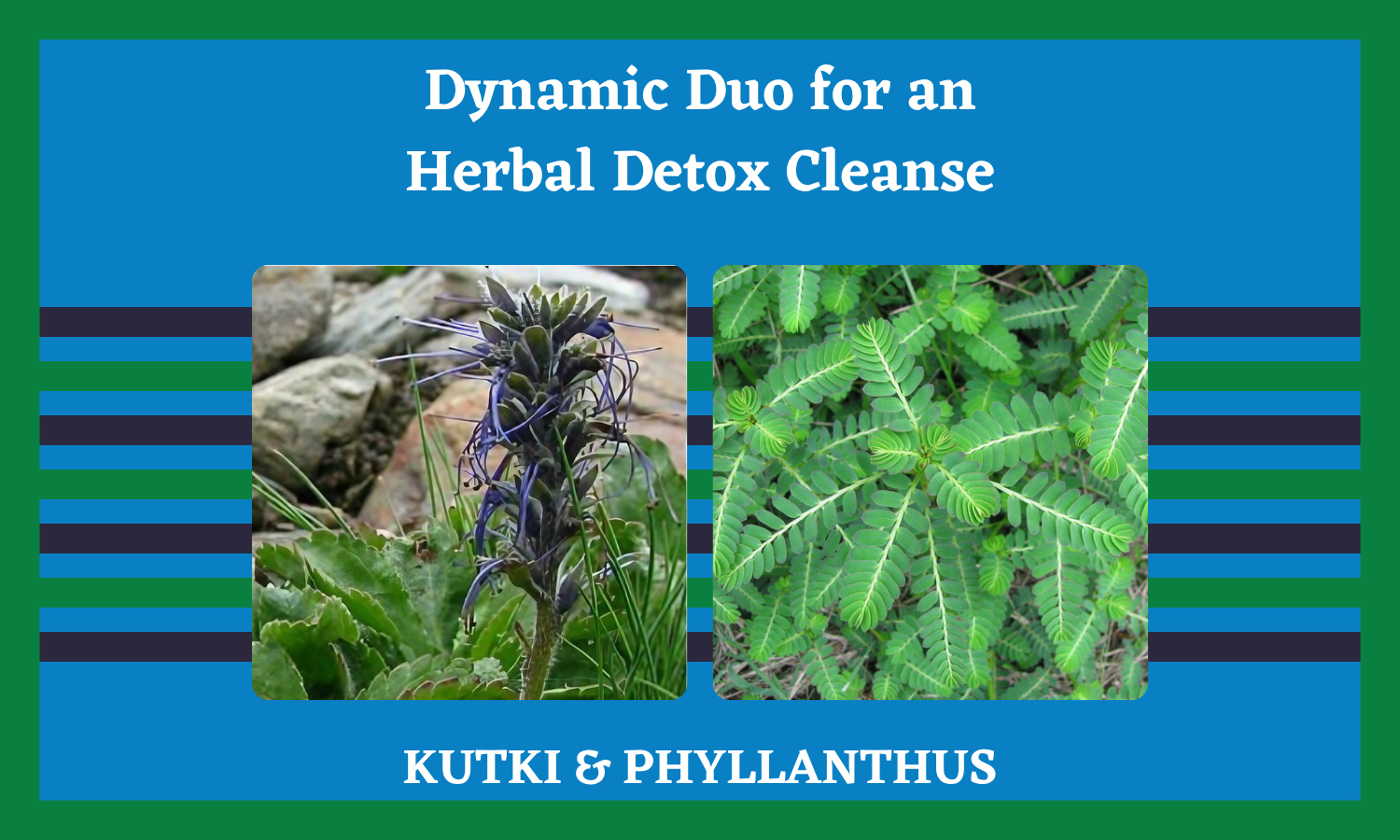
Phyllanthus niruri—often called Chanca Piedra—is one of Linden Botanicals’ most trusted and versatile extracts. Traditionally used to support liver and kidney health, it also offers important benefits for inflammation and immune modulation. [To learn more about Phyllanthus niruri and kidney support, check out our Kidney Health Wellness Pathway.]
In the context of joint pain Lyme disease, Phyllanthus niruri may help by:
-
Supporting detox pathways that clear inflammatory byproducts
-
Reducing systemic inflammation that contributes to joint stiffness
-
Encouraging immune balance rather than overreaction
Because chronic Lyme often places a heavy burden on detox organs, this kind of foundational support can make a meaningful difference over time.
Why We Created the Persister Desister Kit
The Persister Desister Lyme Support Kit was created in response to a reality we kept seeing: people were piecing together multiple herbs on their own, without guidance, consistency, or quality assurance.
We wanted to offer something different.
Persister Desister combines:
-
Cryptolepis sanguinolenta for microbial and immune support
-
Cistus incanus for biofilm defense and antioxidant protection
-
Phyllanthus niruri for inflammation reduction and detox support
Each herb is packaged individually, allowing for flexibility and personalization, while still offering a cohesive strategy grounded in research and experience.
The kit is available in two sizes:
To learn more about Persister Desister Kits, check out the Persister Desister FAQ.
A Realistic Perspective on Healing
We believe honesty is essential.
Persister Desister is not a miracle cure. It will not erase Lyme disease overnight or replace medical care. What it can do is support your body as it works—often slowly—to regain balance after a prolonged challenge.
Healing from joint pain Lyme disease is rarely linear. There are good days and hard days. Progress may show up as fewer flare-ups, better mobility, or simply more energy to engage with life again.
Those changes matter.
Lessons from the Darkness
Linden Botanicals exists because our founder, Michael Van der Linden, lived through nearly four years of Lyme disease, including severe neurological symptoms, depression, and brain fog. His journey shaped every product we offer—and every word we write.
He documented that experience in Lessons from the Darkness, an e-book created to help others feel less alone as they navigate their own healing paths.
The very first product we sold was Phyllanthus niruri tea from the Peruvian Amazon due to the plant’s antiviral, antibacterial, and anti-plasmodial properties. Our Lyme Disease Resources is also a source of in-depth, valuable information.
If you’re still struggling, please know this: you are not weak, broken, or failing. You are responding to a complex illness with courage.
Moving Forward with Support — and with Intention
Living with joint pain tied to Lyme disease can feel isolating, exhausting, and unfair. But with the right tools, thoughtful support, and realistic expectations, many people do find steadier ground.
The Persister Desister Kit is one option—rooted in plants, research, and lived experience—for those still seeking answers.
Because healing isn’t just about eliminating bacteria.
It’s about rebuilding strength, restoring trust in your body, and reclaiming your life—one careful step at a time.
Try Persister Desister Today
To learn more, a good place to start is with the Persister Desister FAQ, Lyme Disease Resources, and Essential Guide to Herbal Support for Lyme Disease.
Buy Persister Desister
About Linden Botanicals: Linden Botanicals sell the world’s healthiest teas and extracts, including Phyllanthus niruri and Cistus incanus. These teas and extracts provide support for immune health, stress relief, energy, memory, mood, kidney health, joint health, digestive health, inflammation, hormonal balance, and detox/cleanse. Visit www.LindenBotanicals.com to shop the online store, get hundreds of valuable health tips and resources, and download the free Lessons from the Darkness e-book, which chronicles Michael Van der Linden’s four-year battle with Lyme disease.