What is Chanca Piedra stone breaker? It’s herbal kidney stone support, and liver, digestion, and immune health support.
Kidney stones aren’t rare. They are not minor. And for the people who experience them, they are unforgettable.
In the United States, kidney stones affect approximately 1 in 10 people during their lifetime. Some estimates suggest that 10-15% of the population will experience at least one stone, and recurrence rates are high. If you’ve had one, your odds of having another increase significantly.
Over the past few decades, kidney stone cases have steadily risen. Why?
Several lifestyle factors appear to be driving this trend:
- Diets high in processed foods, sodium, and animal protein
- Inadequate hydration
- Sedentary lifestyles
- Increasing rates of obesity and metabolic dysfunction
- Chronic stress and inflammation
Men are more likely than women to develop kidney stones, though rates among women are rising. Risk also increases with age, particularly after 40.
But statistics only tell part of the story.
Kidney stones can disrupt work, sleep, travel, family life—everything. The pain can be sudden, severe, and immobilizing. For some, it’s a one-time event. For others, it becomes a recurring cycle of anxiety, ER visits, and procedures.
Understanding the causes, symptoms, and prevention strategies—including natural supports like Chanca Piedra stone breaker—isn’t just helpful. It’s empowering.
Kidney Stone Symptoms
If you’ve never had a kidney stone, it can be difficult to imagine the intensity of the pain. If you have, you don’t need reminding.
Kidney stone symptoms often begin suddenly and escalate quickly. The hallmark sign is severe, sharp pain in the back or side, typically just below the ribs. As the stone moves through the urinary tract, the pain may radiate into the lower abdomen or groin.
Unlike muscle soreness or a dull ache, kidney stone pain often comes in waves. It intensifies as the ureter contracts to push the stone forward, then briefly subsides—only to surge again.
Common symptoms include:
- Severe flank or back pain
- Pain radiating to the lower abdomen or groin
- Nausea and vomiting
- Blood in the urine (pink, red, or brown discoloration)
- Persistent stomach discomfort
- Frequent or urgent need to urinate
- Burning sensation during urination
When a stone blocks urine flow, pressure builds inside the kidney, worsening pain and increasing risk of complications.
If an infection develops alongside the stone, symptoms may escalate to include:
- Fever
- Chills
- Cloudy or foul-smelling urine
- Increased fatigue
This combination requires urgent medical attention.
Even small stones can cause outsized discomfort. Larger stones may require medical procedures such as lithotripsy or surgical removal.
Recognizing symptoms early can reduce complications and shorten recovery time. But beyond treatment, many people ask a bigger question:
How can I prevent this from happening again?
That’s where hydration, dietary adjustments, and natural herbal support—including Chanca Piedra stone breaker—enter the conversation.
For those who have experienced the intensity of kidney stone pain, prevention is no longer optional—it becomes a priority.
What Is Chanca Piedra Stone Breaker?
When kidney stones strike, conventional medical treatment focuses on two primary goals: managing pain and helping the stone pass safely.
For small stones, doctors typically recommend increased fluid intake to flush the urinary system. Pain medications—often NSAIDs and sometimes opioids—are prescribed to manage discomfort during passage. Larger stones may require intervention, including:
- Shock wave lithotripsy (SWL), which uses sound waves to break stones into smaller fragments
- Ureteroscopy, where a thin instrument is inserted to remove or fragment the stone
- Percutaneous nephrolithotomy, a surgical procedure for especially large or complex stones
- Antibiotics, if infection is present
While these treatments can be lifesaving and necessary, they often address the acute event rather than the underlying tendency toward stone formation.
This is where herbal support enters the conversation.
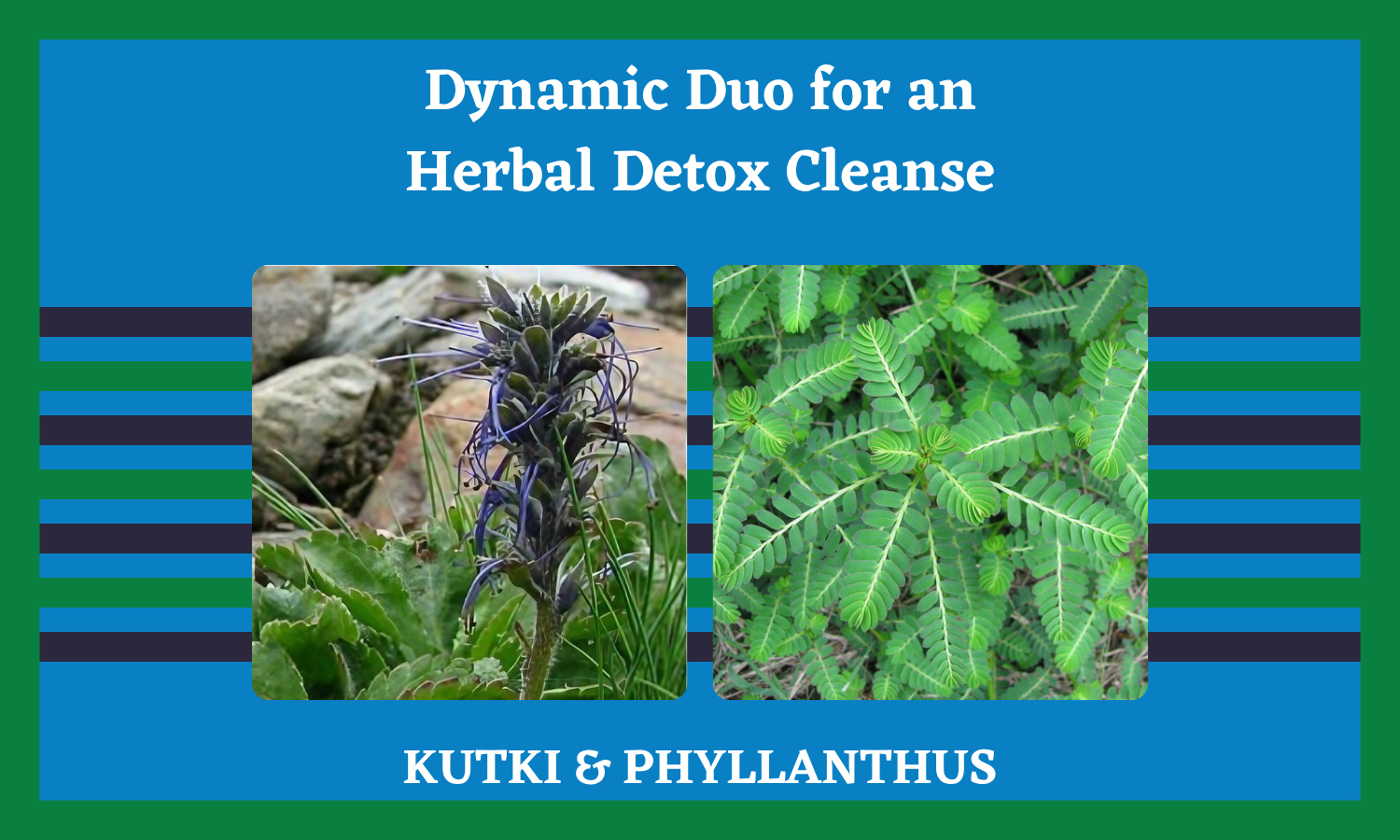
Chanca Piedra stone breaker, known botanically as Phyllanthus niruri, has been used for centuries in Amazonian and Ayurvedic traditions to support kidney and urinary tract health. Its Spanish name literally translates to “stone breaker,” reflecting its historical reputation for helping dissolve and expel kidney stones.
Traditional practitioners have long used Chanca Piedra to:
- Support the breakdown of mineral deposits
- Promote urinary flow
- Calm inflammation in the urinary tract
- Reduce recurrence of stone formation
Modern research suggests that Chanca Piedra stone breaker may work in several ways:
- Inhibiting crystal formation – It appears to interfere with the aggregation of calcium oxalate crystals, which are responsible for most kidney stones.
- Relaxing smooth muscle – It may help relax the ureter, making it easier for small stones to pass.
- Supporting healthy urine chemistry – By influencing mineral balance and urinary pH, it may reduce the likelihood of new stones forming.
- Providing anti-inflammatory and antioxidant effects – These properties may protect kidney tissue from irritation and oxidative stress during stone passage.
For people prone to recurrent stones, this preventive angle is especially important. Rather than reacting to pain, the goal becomes long-term support of kidney balance.
Why Form Matters: Tea vs. Capsules vs. Tinctures
Many people encounter Chanca Piedra in capsule or tincture form. At Linden Botanicals, we intentionally sell Chanca Piedra stone breaker only as loose-cut tea and concentrated herbal extract.
Why?
Tinctures are alcohol-based preparations. If you evaporate the alcohol from a single dropperful, you may be left with roughly 90 milligrams of extract. A one-ounce tincture bottle may contain less than 3 grams of active plant material. That means you are often paying a premium for very small doses.
Capsules present another challenge. Two capsules typically contain about 1 gram of ground herb. Traditional tea preparation often uses 10–15 grams of plant material daily. That could mean 20+ capsules per day to approximate a traditional herbal dose.
Even extract capsules may require 8–10 capsules daily for meaningful intake.
Loose-cut tea allows for:
- Higher therapeutic dosing
- Better extraction of water-soluble compounds
- Cost-effectiveness
- A more traditional, time-tested preparation method
In other words, when you prepare Chanca Piedra as tea, you are engaging with the plant in a way that aligns with both tradition and practical effectiveness.
Health Benefits of Chanca Piedra Stone Breaker
Kidney stones rarely develop in isolation. They are often linked to:
- Diets high in sodium and refined sugar
- Low fluid intake
- Obesity and metabolic imbalance
- High oxalate consumption
- Family history and genetic predisposition
Many stones—particularly calcium oxalate stones—form in acidic environments where minerals crystallize and aggregate.
One of the reasons Chanca Piedra stone breaker has earned its reputation is its influence on urinary chemistry and mineral balance.
Supporting Kidney Stone Prevention
Chanca Piedra is believed to:
- Reduce crystal aggregation in early stone formation
- Support balanced urinary pH
- Promote gentle diuretic activity
- Relax ureteral smooth muscle
- Assist natural expulsion of small stones
Rather than “melting” stones in a dramatic fashion, it appears to interfere with the early stages of crystal formation and reduce the tendency for small crystals to bind together.
This preventative mechanism is especially important for people with recurring stones.
Anti-Inflammatory and Antioxidant Protection
Passing a stone can irritate kidney tissue and the urinary tract. Inflammation and oxidative stress can follow.
Chanca Piedra stone breaker contains flavonoids, lignans, tannins, and phenolic compounds that provide antioxidant support. These compounds help neutralize free radicals and may protect kidney cells from oxidative damage.
Preliminary studies suggest the herb is generally well tolerated and associated with fewer side effects than many pharmaceutical options used for stone prevention.
Liver and Digestive Support
Interestingly, Phyllanthus niruri is not only a kidney herb. It has also been studied for liver support.
Its antioxidant properties may:
- Protect liver cells from oxidative stress
- Support detoxification pathways
- Promote bile flow
Additionally, some research suggests activity against Helicobacter pylori, a bacterium associated with stomach ulcers. While more research is needed, this highlights the herb’s broader digestive and antimicrobial potential.
Blood Sugar and Metabolic Support
Chanca Piedra also contains compounds that may help support healthy fasting blood sugar levels. For people with metabolic imbalance—one of the risk factors for kidney stones—this added metabolic support can be beneficial.
Healthy blood sugar regulation reduces inflammation and may decrease urinary mineral imbalances that contribute to stone formation.
A Holistic View of Chanca Piedra Stone Breaker
While no herb replaces proper medical care when needed, Chanca Piedra stone breaker offers a multi-layered approach:
- Support during stone passage
- Preventive mineral balance
- Antioxidant kidney protection
- Urinary tract relaxation
- Broader metabolic and liver support
For those who have experienced the pain of kidney stones, prevention becomes deeply personal. Incorporating hydration, dietary adjustments, and high-quality Chanca Piedra tea may be a practical and sustainable way to support long-term kidney health.
Why Amazon-Grown Chanca Piedra Matters: Terroir and Therapeutic Value
Not all Chanca Piedra stone breaker is created equal.
While Phyllanthus niruri is now cultivated in several regions around the world, its native home is the Amazon basin of Peru and surrounding South America. And just like wine grapes or medicinal mushrooms, terroir matters.
What Is Terroir?
Terroir refers to the complete environmental context in which a plant grows:
- Soil composition
- Rainfall patterns
- Sun exposure
- Altitude
- Microbial biodiversity
- Ecological stress
These factors influence the plant’s phytochemical profile — meaning the concentration and diversity of its active compounds.
Plants grown in their native habitat tend to produce a broader, more complex range of protective compounds. Why? Because they evolved there. They adapted to those exact environmental pressures over thousands of years.
The Amazon Advantage
The Amazon basin provides:
- Nutrient-rich, biodiverse soil
- High humidity and rainfall
- Intense sun exposure
- Natural ecological competition
When a plant grows in a challenging ecosystem, it produces more of the protective compounds that help it survive. In medicinal plants, those same compounds often become the very phytochemicals that benefit human health.
In the case of Phyllanthus niruri, these include:
- Lignans
- Flavonoids
- Alkaloids
- Tannins
- Phenolic compounds
These constituents are responsible for the herb’s antioxidant, antiviral, hepatoprotective, and anti-urolithiatic (stone-supporting) properties.
When grown outside its native environment, the plant may look the same — but its chemical fingerprint can differ significantly.
Species Confusion Is Real
Another reason Amazon sourcing matters: proper species identification.
The Phyllanthus genus contains many closely related plants, including:
- Phyllanthus urinaria
- Phyllanthus amarus
- Phyllanthus debilis
These species are often substituted — intentionally or unintentionally — for Phyllanthus niruri. They may share some overlapping compounds, but they do not offer the same research-supported profile associated with true Amazon-grown Phyllanthus niruri.
If you are drinking Chanca Piedra stone breaker tea for kidney stone support, liver health, or immune balance, authenticity matters.
Why Looseleaf Tea Reflects Plant Integrity
Looseleaf herbal tea allows you to see the cut plant material. You’re not relying on powdered capsules of uncertain origin or highly diluted tinctures. You’re working directly with the plant in its recognizable form.
At Linden Botanicals, our Chanca Piedra:
- Is sourced from its native Amazonian region
- Is properly identified as Phyllanthus niruri
- Is dried and cut to preserve phytochemical integrity
- Contains no fillers, additives, or synthetic ingredients
When you brew looseleaf tea, you’re extracting a broad spectrum of the plant’s natural compounds — the way it has traditionally been prepared for centuries.
The Bottom Line: Environment Shapes Efficacy
If you’re choosing Chanca Piedra stone breaker for kidney support or overall wellness, origin is not a small detail. It’s foundational.
The soil, the sun, the biodiversity, the stressors — they all influence what ends up in your cup.
Terroir isn’t marketing language. It’s plant chemistry.
And when it comes to medicinal herbs, chemistry determines effectiveness.
That’s why we believe authentic, Amazon-grown Phyllanthus niruri looseleaf tea offers the most complete expression of this remarkable plant — just as nature intended.
Beyond Kidney Stones: Chanca Piedra Stone Breaker in Our Support Kits
While many people first discover Chanca Piedra stone breaker for kidney stone support, Phyllanthus niruri is far more versatile than its nickname suggests. At Linden Botanicals, we use this remarkable herb not only as a standalone tea and extract, but also as a foundational ingredient in several of our proprietary herbal support kits.
Why? Because kidney health, immune health, digestive health, and detoxification are deeply interconnected.
ShieldsUp! Immune Health Support Kits
In our ShieldsUp! Immune Health Support Kits, Phyllanthus niruri plays a key role in supporting balanced immune response.
Research suggests that Chanca Piedra contains bioactive compounds with antiviral, antibacterial, and antioxidant properties. Traditionally, it has been used to:
- Support immune resilience during seasonal challenges
- Help regulate inflammatory signaling
- Promote lymphatic and detox pathway function
- Protect cells from oxidative stress
Immune health isn’t just about fighting pathogens—it’s about maintaining balance. Phyllanthus niruri helps support that equilibrium, making it a natural fit for our immune-focused formulations.
Persister Desister Lyme Disease Support Kits
For those navigating chronic Lyme challenges, we include Phyllanthus niruri in our Persister Desister Lyme Disease Support Kits alongside Cryptolepis and Cistus incanus.
In this context, Chanca Piedra supports:
- Liver detoxification during microbial die-off
- Kidney support for efficient waste elimination
- Antioxidant protection during inflammatory flare-ups
- Immune modulation in persistent infections
Lyme protocols can be physically demanding. Supporting detox pathways is essential—especially when the body is processing inflammatory byproducts. Phyllanthus niruri helps provide that foundational organ support while the immune system works to restore balance.
GUTSY Digestive Health Support Kits
Digestive health and kidney health share common pathways of detoxification and inflammation control. In our GUTSY Digestive Health Support Kits, Phyllanthus niruri contributes to:
- Healthy bile flow
- Microbial balance
- Protection against oxidative stress in the digestive tract
- Support for the gut–liver axis
Because the liver and digestive system work together to process toxins and metabolic waste, strengthening one often benefits the other. Chanca Piedra’s traditional use in both liver and digestive support makes it uniquely positioned for this synergistic role.
One Plant, Multiple Systems, Integrated Support
At Linden Botanicals, we don’t see Phyllanthus niruri as a “single-issue” herb. Its role as Chanca Piedra stone breaker support is just one facet of a plant that influences multiple systems:
- Kidney and urinary tract
- Liver detox pathways
- Immune resilience
- Digestive balance
- Oxidative stress protection
That’s why it remains one of the core botanicals in our collection—and why it continues to be the plant many of our customers return to again and again.
All About the Kidney Health Wellness Pathway
The Linden Botanicals Kidney Health Wellness Pathway takes a broader approach to kidney wellness, focusing on the everyday factors that help support healthy kidney function, urinary health, natural filtration and elimination, and long-term kidney resilience. Hydration, nutrition, metabolic health, and healthy lifestyle habits all play important roles.
The pathway brings these pieces together with carefully selected botanical support, helping you understand not only what you can take, but what you can do to support your kidneys over time.
At the center of the pathway is Chanca Piedra (Phyllanthus niruri), sometimes called Stone Breaker, a remarkable Amazonian herb with a long history of traditional use for kidney and urinary health. Modern research has explored Phyllanthus niruri for its potential to support healthy urinary mineral balance and several processes involved in kidney stone formation.
The Kidney Health Wellness Pathway provides a practical way to learn more about Chanca Piedra while placing the herb where it belongs: within a larger, sustainable approach to supporting healthy kidneys for the long term.
Try Chanca Piedra Stone Breaker Today
What is Chanca Piedra good for? The answer is a little bit of everything!
Chanca Piedra herbal tea and herbal extract are gaining popularity among herbalists and professional medical practitioners due to their wide range of health benefits. In fact, the very first product Linden Botanicals sold is Chanca Piedra sourced from the Peruvian Amazon (which is exactly where it should be sourced).
Visit our detailed Chanca Piedra FAQ page for information about its many health benefits, Lyme disease support, kidney stone support, liver health support, immune system support, ways to find a trusted supplier, and much more. It really is a marvelous (and tasty) daily drinking herbal tea.
You can also read more about the science behind Phyllanthus here.
Buy Chanca Piedra