
Natural Kidney Detox Cleanse
A natural kidney detox cleanse supports healthy filtration, urinary function, and kidney wellness with thoughtful daily habits. If you’re searching for a natural kidney detox


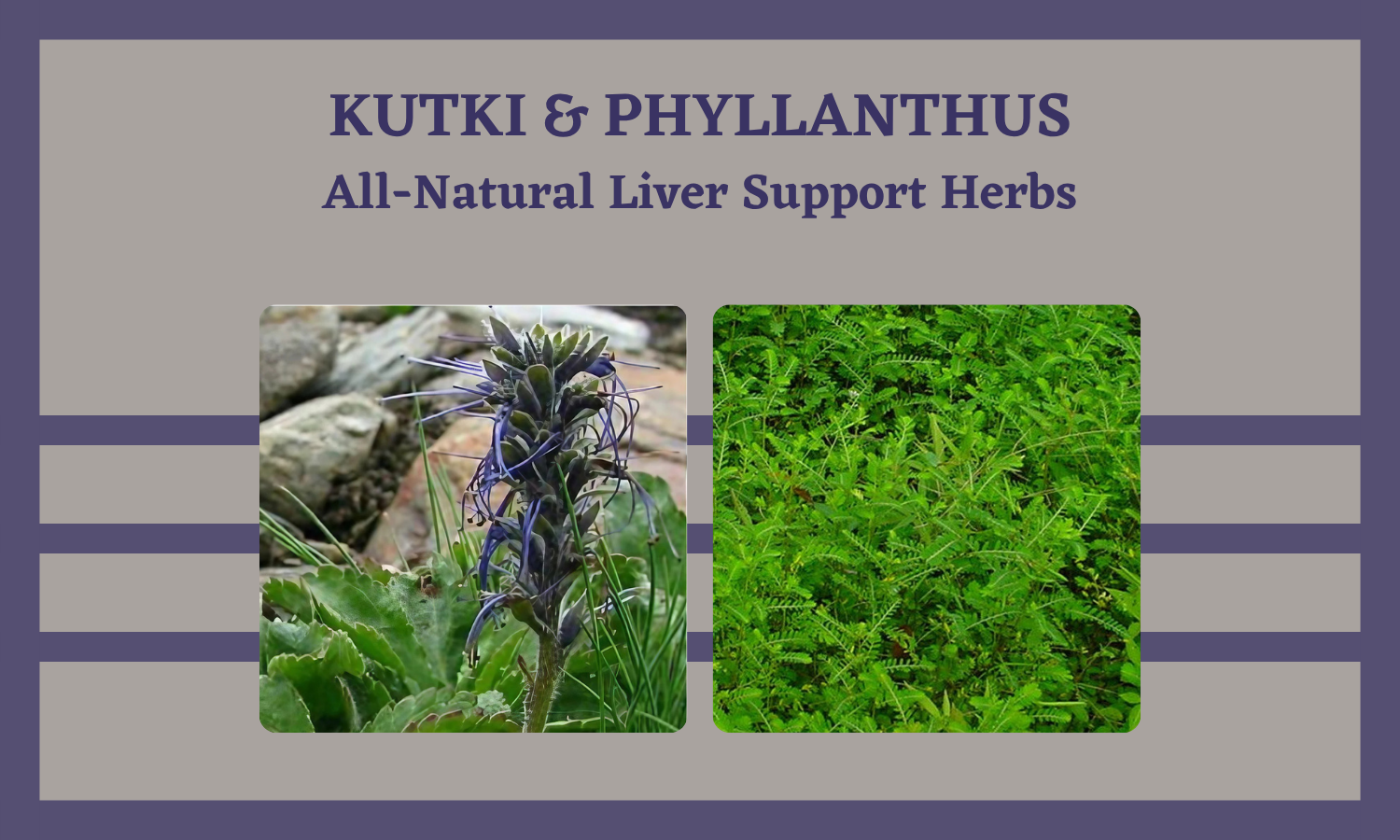
Any list of the best liver health herbs should probably include both all-natural Phyllanthus niruri and Kutki.
If you’re searching for liver health herbs, chances are you’re not looking for hype.
You’re looking for clarity.
Maybe you feel sluggish. Maybe your digestion feels off. Maybe you’ve been under stress, traveling, eating differently, taking medications, or recovering from illness. Maybe you’re simply trying to be proactive.
The modern world places a heavy burden on the liver. And while the internet is full of dramatic detox promises, extreme cleanses, and overnight resets, most of them miss something important:
Your liver doesn’t need punishment.
It needs partnership.
This guide explores what the liver actually does, why it gets overwhelmed, and how thoughtfully chosen liver health herbs — especially Phyllanthus niruri and Kutki (Picrorhiza kurroa) — can offer steady, sustainable support.
The liver weighs just over a pound. Yet it performs hundreds of essential functions every day, including:
Filtering blood from the digestive tract
Processing nutrients from food
Breaking down alcohol and medications
Producing bile for fat digestion
Regulating cholesterol and blood sugar
Synthesizing proteins and enzymes
Recycling old red blood cells
Supporting immune regulation
Managing hormone balance
Neutralizing environmental toxins
Every meal. Every supplement. Every drink. Every exposure.
It all passes through the liver.
The problem isn’t that the liver can’t detox. It’s that modern life increases the load:
Processed foods
Refined sugar
Chronic stress
Alcohol
Environmental toxins
Medication use
Sleep disruption
Sedentary lifestyle
Over time, that load can slow efficiency, increase inflammation, and contribute to fatigue, digestive discomfort, skin issues, and metabolic strain.
This is where liver health herbs come in — not as miracle solutions, but as supportive allies.
Before discussing herbs, it’s important to understand detoxification in real terms.
The liver detoxifies in two major phases:
Phase 1: Transformation
Enzymes modify fat-soluble compounds (including toxins) into intermediate substances.
Phase 2: Conjugation
Those intermediates are bound to molecules like glutathione and made water-soluble so they can be eliminated via bile or urine.
If Phase 1 is overstimulated without adequate Phase 2 support, reactive intermediates can build up — contributing to symptoms.
This is why aggressive cleanses can backfire. They may stimulate detox without supporting elimination.
The most effective liver health herbs support:
Balanced enzyme activity
Healthy bile flow
Antioxidant protection
Efficient elimination
Inflammation balance
Gently. Consistently. Sustainably.
Most people don’t need a dramatic cleanse. But many benefit from liver support.
Common signs of increased liver load include:
Persistent fatigue
Sugar or alcohol cravings
Sluggish digestion
Bloating
Skin breakouts during stress
Feeling inflamed or achy
Difficulty recovering after indulgence
Heightened medication sensitivity
These are not diagnoses. They are signals.
Liver health herbs can help reduce burden and improve flow — when used intelligently.
At Linden Botanicals, two herbs consistently stand out for thoughtful, long-term liver support:
Phyllanthus niruri (Chanca Piedra)
Kutki (Picrorhiza kurroa)
They don’t force detox. They support physiology.
Phyllanthus niruri — often called Chanca Piedra — is native to the Amazon basin and contains over 100 identified bioactive compounds.
While widely known as a kidney-support herb, its liver benefits are equally impressive.
How Phyllanthus niruri Supports Liver Health
Protects liver cells from oxidative stress
Supports glutathione activity
Promotes healthy bile flow
Assists detox pathways
Supports immune balance
Helps maintain digestive harmony
Its flavonoids, lignans, and tannins help reduce oxidative damage — one of the primary contributors to liver stress.
Unlike harsh detox herbs, Phyllanthus niruri is well-suited to daily use. Many of us at Linden Botanicals drink it regularly as looseleaf tea.
It’s earthy. Grounding. Gentle. And consistent.
The Phyllanthus niruri FAQ provides much more information about this all-natural herb.
Kutki is a revered Ayurvedic herb traditionally associated with liver repair and bile regulation.
Its active compounds — iridoid glycosides — have been studied for hepatoprotective properties.
How Kutki Supports the Liver
Encourages healthy bile production
Supports liver regeneration pathways
Helps calm inflammatory signaling
Provides antioxidant protection
Supports skin clarity through liver balance
Kutki is especially helpful during periods of increased liver stress:
Travel
Medication use
High stress
Alcohol intake
Dietary excess
It is not harsh. But it is powerful.
The Kutki FAQ provides much more information about this all-natural herb.
Phyllanthus niruri and Kutki support different — but complementary — aspects of liver physiology.
| Function | Phyllanthus niruri | Kutki |
|---|---|---|
| Antioxidant protection | ✓ | ✓ |
| Bile flow support | ✓ | ✓✓ |
| Immune modulation | ✓✓ | ✓ |
| Regeneration support | ✓ | ✓✓ |
| Daily use suitability | ✓✓ | ✓ |
Together, they provide:
Protection
Flow
Balance
Regeneration
This multi-layered approach aligns with how the liver actually functions.
While Phyllanthus niruri and Kutki are central, several other herbs have long histories in liver-support traditions.
Haritaki (Terminalia chebula)
A cornerstone herb in Ayurveda, Haritaki supports digestion, elimination, and antioxidant defense.
Because the liver is deeply connected to digestive flow, Haritaki’s role in improving gut function indirectly supports liver health.
It is rich in polyphenols that help combat oxidative stress.
The Haritaki FAQ provides additional information about this all-natural herb.
Semen cuscutae (Dodder Seed)
Used in Traditional Chinese Medicine as a tonic herb, Semen cuscutae supports vitality and resilience — key components of long-term liver balance.
In traditional frameworks, liver health is linked to energy regulation and systemic harmony.
The Semen cuscutae FAQ provides additional information about this all-natural herb.
Paeonia lactiflora (White Peony Root)
In TCM, white peony supports “liver harmony,” particularly in relation to stress response and emotional regulation.
Modern understanding reinforces this connection: chronic stress increases inflammatory load and metabolic burden.
Supporting stress balance supports liver function.
The Paeonia lactiflora FAQ provides additional information about this all-natural herb.
No liver health herb can compensate for constant overload.
A sustainable approach includes:
Foods That Support the Liver
Leafy greens
Cruciferous vegetables
Beets
Citrus fruits
Garlic and onions
Fiber-rich whole foods
Clean proteins
Foods That Increase Liver Burden
Ultra-processed foods
Excess sugar
Trans fats
Excess alcohol
Perfection is not required. Direction is.
Many products marketed as liver cleanses rely on laxatives, severe caloric restriction, or harsh stimulants. These approaches may create the feeling that “something is happening,” but that sensation is not the same as meaningful liver support. In fact, aggressive detox strategies often stress the very systems they claim to help.
Severe restriction can disrupt electrolyte balance and blood sugar regulation. Harsh stimulants may overstimulate Phase 1 detoxification without adequately supporting Phase 2, leading to an accumulation of reactive intermediates. Over time, this imbalance can increase oxidative stress and leave you feeling fatigued, irritable, foggy, or inflamed — the opposite of refreshed.
Liver health herbs work best when they align with the body’s natural physiology. They support detox pathways without forcing them. They improve efficiency rather than intensity. They respect the timing and rhythm of the body’s existing processes.
When it comes to liver support, slow and steady truly wins.
Here’s what thoughtful liver care looks like in practice:
Daily
Whole foods
Adequate hydration
1–2 cups of Phyllanthus niruri tea
Stress reduction
Adequate sleep
Several Times Per Week
Bitter greens
Cruciferous vegetables
Reduced alcohol and sugar
As Needed
Kutki extract during high-stress periods
This isn’t a “cleanse.” It’s a pattern.
Your liver is resilient.
It doesn’t need dramatic intervention.
It needs reduced burden and steady support.
The best liver health herbs:
Protect cells
Support bile flow
Balance inflammation
Reinforce detox pathways
Fit into real life
Phyllanthus niruri and Kutki aren’t quick fixes.
They’re partners.
Support your liver consistently, and it will quietly return the favor — working better, longer, and more efficiently in the background of your life.
Phyllanthus niruri and Kutki are not shortcuts. They’re allies—plants that work with your body rather than against it. To learn much more about these all-natural herbs, check out the Phyllanthus niruri FAQ and the Kutki FAQ.
SHOP NOWA natural kidney detox cleanse supports healthy filtration, urinary function, and kidney wellness with thoughtful daily habits. If you’re searching for a natural kidney detox
Herbal detox for liver health supports natural detoxification, bile flow, antioxidant defenses, and steady whole-body wellness daily. Search for herbal detox for liver and you’ll

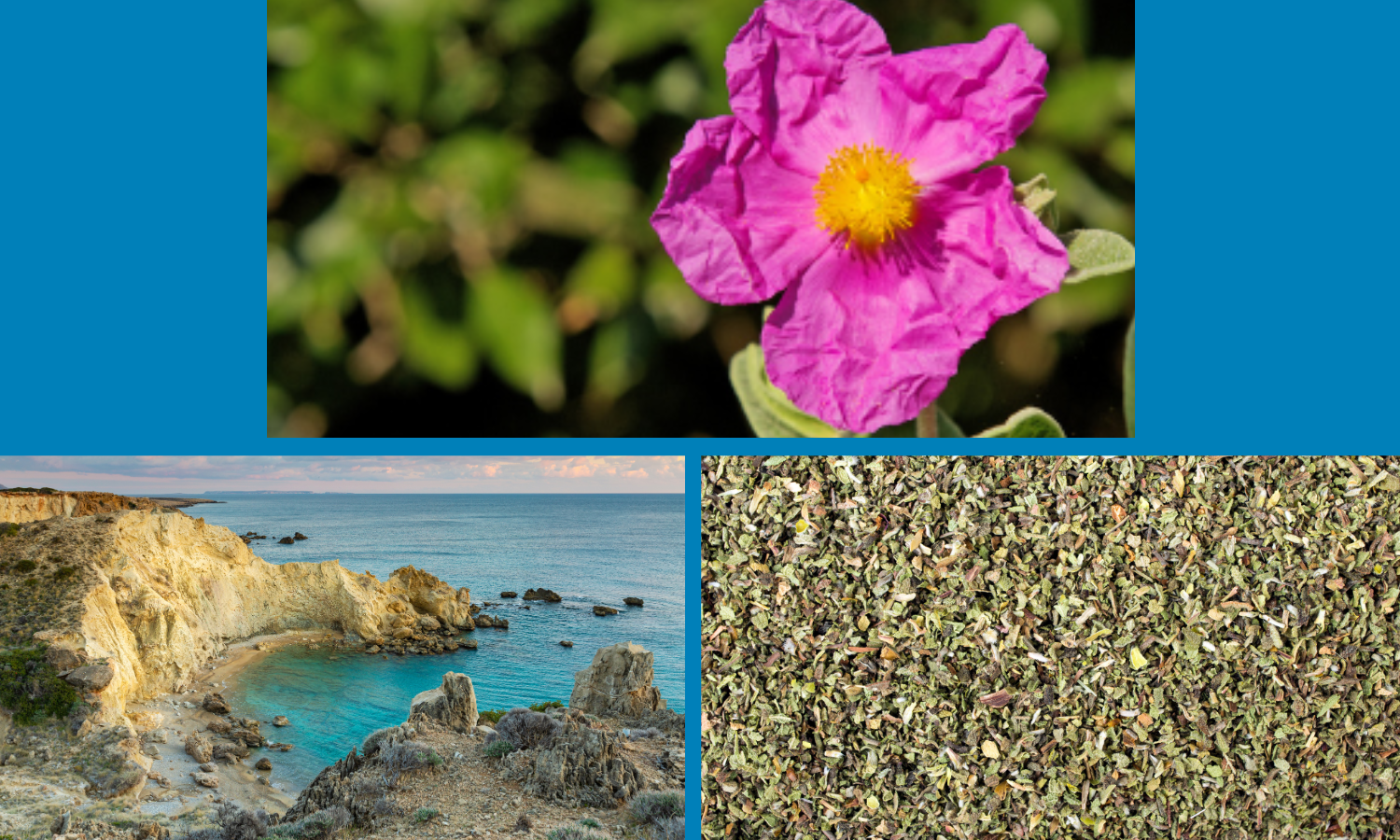
All-natural, Mediterranean Cistus incanus (pink rock rose) makes an exceptionally healthy herbal tea. It’s our bestselling product. Pink rock rose, also known as Cistus incanus,
Rock Rose tea provides polyphenol-rich antioxidant, immune, antimicrobial, and seasonal wellness support from the Mediterranean Cistus plant. Rock Rose tea has been part of Mediterranean