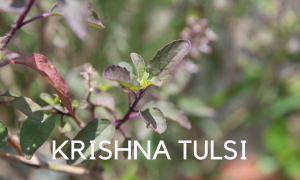
Tulsi Krishna: Why This Purple-Leaf Holy Basil Is So Highly Valued
Tulsi Krishna offers traditional, natural adaptogenic support for stress balance, energy, mood, resilience, and long-term whole-body wellness.


Tulsi Krishna offers traditional, natural adaptogenic support for stress balance, energy, mood, resilience, and long-term whole-body wellness.
Tulsi Krishna offers traditional, natural adaptogenic support for stress balance, energy, mood, resilience, and long-term whole-body wellness. If you’re familiar with Tulsi Krishna, you may already know that Tulsi, also called Holy Basil, has been used in Ayurveda for thousands of years. What is less widely understood is that Tulsi isn’t a single uniform plant. Different varieties have different appearances, aromas,

Many people are struggling with diseases caused by ticks. Drinking all-natural Phyllanthus niruri herbal tea may help.

The best herbs for all-natural support for tick-borne diseases are Cistus incanus, Cryptolepis sanguinolenta, and Phyllanthus niruri.

Cistus incanus makes an excellent antimicrobial herbal tea. It has anti-fungal, antibacterial, anti-inflammatory, antioxidant, and antispasmodic properties.

Paeonia lactiflora (White Peony Root) extract may provide support for common neurodegenerative diseases such as Parkinson’s disease.

With the Lyme disease epidemic getting worse each year, CDC Lyme disease estimates may still underreport cases.

The study reveals remarkable Agarikon antimicrobial properties in addition to its already established antiviral and antibacterial properties.

Cryptolepis uses include support for Lyme disease treatment protocols, anti-fungal support, and support for colds and fever.
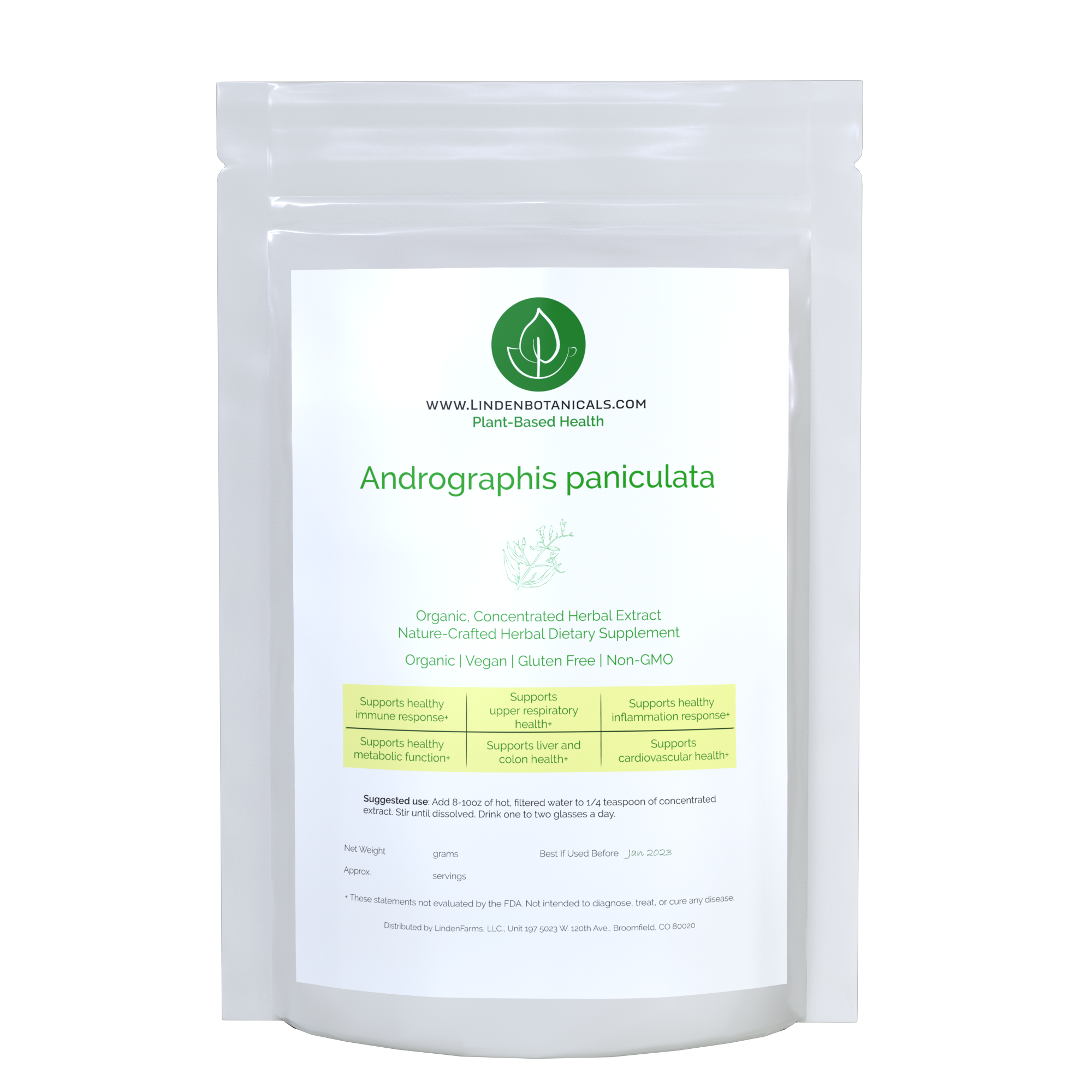
A study published in The Journal of Natural Products in April 2021 reveals significant Andrographis antiviral potential.

A 2020 scientific study reveals the potential Paeonia anti inflammation and analgesic effects of Paeonia lactiflora extract.

Rosa rugosa includes high levels of vitamin C and shows potential as an anti-inflammation and anti-aging tea.

A recent study published in Life reveals that Andrographis paniculata may provide acute respiratory infection herbal support.

A Cardiology Journal study suggests Cistus incanus may decrease cardiovascular risk factors, including oxidative stress and dyslipidemia.

Many people are struggling with diseases caused by ticks. Drinking all-natural Phyllanthus niruri herbal tea may help.

The best herbs for all-natural support for tick-borne diseases are Cistus incanus, Cryptolepis sanguinolenta, and Phyllanthus niruri.

Cistus incanus makes an excellent antimicrobial herbal tea. It has anti-fungal, antibacterial, anti-inflammatory, antioxidant, and antispasmodic properties.

Paeonia lactiflora (White Peony Root) extract may provide support for common neurodegenerative diseases such as Parkinson’s disease.

With the Lyme disease epidemic getting worse each year, CDC Lyme disease estimates may still underreport cases.

The study reveals remarkable Agarikon antimicrobial properties in addition to its already established antiviral and antibacterial properties.

Cryptolepis uses include support for Lyme disease treatment protocols, anti-fungal support, and support for colds and fever.

A study published in The Journal of Natural Products in April 2021 reveals significant Andrographis antiviral potential.

A 2020 scientific study reveals the potential Paeonia anti inflammation and analgesic effects of Paeonia lactiflora extract.

Rosa rugosa includes high levels of vitamin C and shows potential as an anti-inflammation and anti-aging tea.

A recent study published in Life reveals that Andrographis paniculata may provide acute respiratory infection herbal support.

A Cardiology Journal study suggests Cistus incanus may decrease cardiovascular risk factors, including oxidative stress and dyslipidemia.